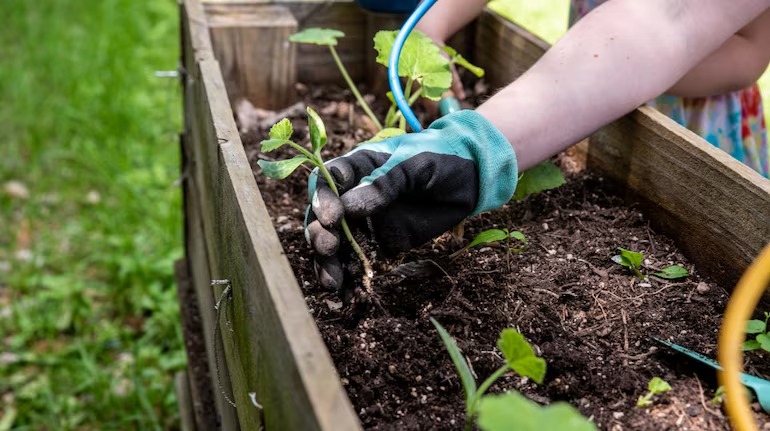
Home gardening tips: Keeping your plants safe during the monsoon is vital for maintaining their health and ensuring a thriving garden. Here are some gardening tips that may help you safeguard your plants from various challenges:

Home gardening tips: Frequent rainfall can compact the soil, restricting root growth. Aerate your soil regularly to improve root access to oxygen and nutrients.
As the monsoon rains sweep across your garden, they bring a refreshing burst of life. Glorious blooms of hibiscus, lush greenery of ferns, and the lively growth of ornamental grasses are some of the delights that the rainy season bestows upon your garden. However, the rainy season also presents unique challenges that require careful attention to ensure your garden thrives.
_______________________________________________________________________
Read Also : Climate change impacts on water resources
________________________________________________________________________
Proper care during this period is essential to harness the full potential of the monsoon’s benefits while reducing its potential drawbacks.
Here are a few gardening tips that you can benefit from:
Water-logging: Ensure that your garden has adequate drainage to prevent waterlogging. Excess water can suffocate plant roots, leading to root rot and other diseases. Regularly check and clear any clogged drains or channels to maintain soil aeration. Installing raised beds or using well-draining soil can also help manage excess water.
Mulching: Apply a layer of mulch around your plants to retain soil moisture and regulate temperature. Mulch helps to keep the soil cool and reduces the frequency of watering, while also preventing weed growth. Organic mulches, such as wood chips or straw, can break down over time, adding nutrients to the soil.
Pruning: Regularly prune plants to remove dead or damaged growth. Excess foliage can trap moisture, leading to fungal infections. Pruning also helps to improve air circulation around your plants, reducing the risk of disease. Focus on cutting back any branches or stems that show signs of mold or mildew.
________________________________________________________________________
Read Also : Half a million sharks may be killed to make Covid-19 vaccine, say experts
________________________________________________________________________
Fertilisation: During the monsoon, plants’ nutrient needs change. Opt for a balanced, slow-release fertiliser to provide essential nutrients without overwhelming the plants. Over-fertilising can lead to nutrient runoff and harm the environment. Follow the recommended application rates to ensure proper plant health.
Pest control: Monitor your plants for signs of pests, which can proliferate during the wet season. Common pests like aphids and slugs thrive in moist conditions. Use natural pest control methods, such as neem oil or insecticidal soap, to manage infestations while avoiding chemical pesticides that can harm beneficial insects.
Soil aeration: Frequent rainfall can compact the soil, restricting root growth. Aerate your soil regularly to improve root access to oxygen and nutrients. Use a garden fork or aerator to gently loosen the soil, ensuring that roots have ample space to expand and absorb moisture effectively.
________________________________________________________________________
READ ALSO : HOW ZERO WASTE FASHION WILL BE HELPFUL
_________________________________________________________________________
Watering: Even though rain provides moisture, it’s important to monitor your garden’s specific needs. Check soil moisture levels and avoid overwatering, as excess water can lead to root diseases. Water plants early in the day to allow soil to dry before evening, reducing the risk of fungal issues.
Protection: Protect delicate plants from excessive rain and strong winds by using garden shelters or temporary covers. This can prevent damage from heavy downpours and ensure that young or fragile plants remain healthy. Make sure any covers are breathable to prevent trapping moisture around the plants.