From boosting your immunity to keeping your mind sharp, this vibrant fruit has a lot to offer.
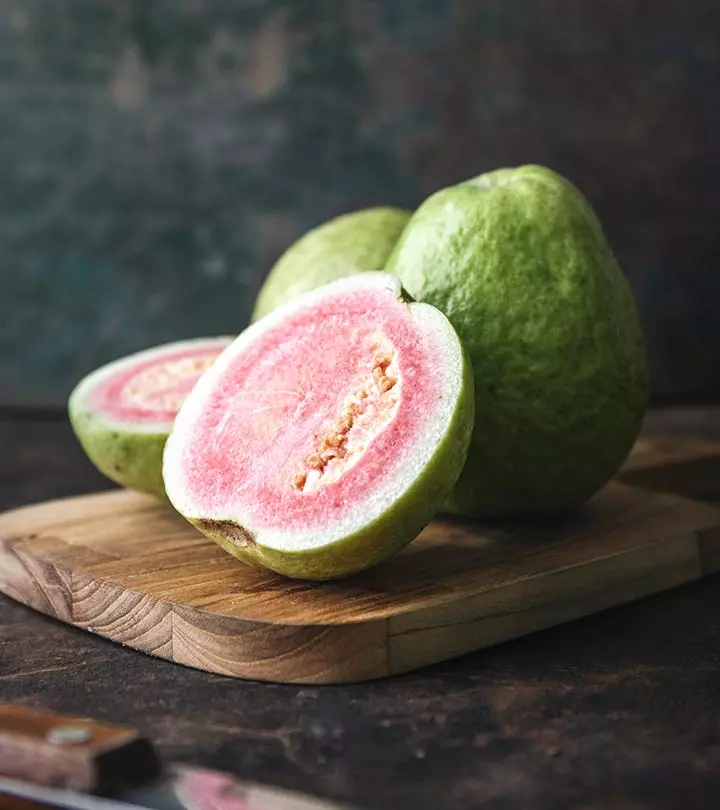
Guava fruit (Psidium guajava) is loved for its unique taste. It is loaded with many beneficial nutrients, and guava fruit benefits can be attributed to its nutrient profile. It is loaded with vitamin C, lycopene, fiber, and antioxidants. These nutrients can effectively manage diabetes, promote digestive health, and protect the heart.
What Are The Benefits Of Guava?
Guava benefits stem from its rich dietary fiber and vitamin C content. Dietary fiber boosts digestion while vitamin C reduces free radicals in the body. Learn more about the health benefits of this tropical fruit here.
1. May Help You Manage Diabetes

Shutterstock
The fiber in the fruit can lower blood sugar levels (1). It can also prevent constipation, a common problem faced by individuals with diabetes.
An Indian study states that guava (without the peel) can help in lowering blood sugar and blood cholesterol levels. This cuts the risk of diabetes (2). Animal studies show that guava leaf extracts may have antihyperglycemic effects against type 2 diabetes.
________________________________________________________________________
Read Also : 6 PRACTICAL WAYS WE CAN REDUCE OCEAN PLASTIC POLLUTION
________________________________________________________________________
2. May Protect Your Heart
The fiber in guava lowers bad cholesterol, which may otherwise contribute to heart disease. The potassium in the fruit can help lower blood pressure levels (5).
The polysaccharides (a type of carbohydrate) in guava leaves act as antioxidants and fight oxidative stress (6). This is important because oxidative stress is one major cause of heart failure (7).
Guava leaves, when used as tea, may also help prevent atherosclerosis (8).
3. May Boost Digestive Health

Shutterstock
One guava can give you about 12% (3 grams) of the recommended dietary fiber (9). Some sources suggest that the leaves of the fruit may treat nausea and vomiting. However, more research is needed to establish these effects.
Medical literature also states that guava can treat diarrhea due to its antimicrobial and antispasmodic properties. This is especially true with the extracts of the fruit and the leaves (10).
Guava’s antimicrobial properties can also fight the harmful gut microbes (like simian rotavirus) and potentially prevent digestive infections (11).
4. May Boost Immunity
Guava is replete with vitamin C (9). Studies state that vitamin C can help boost immunity and fight the disease-causing pathogens (12).
Vitamin C also protects your body’s cells from damage. It may reduce the risk of serious diseases, like arthritis, cancer, and some forms of heart disease (13), (14). Ensure you have the fruit ripe as it contains the most vitamin C (15).
5. May Relieve Menstrual Symptoms

Shutterstock
In a study, 197 women with dysmenorrhea (painful menstruation) found relief after taking 6 mg of a drug containing guava extracts per day (16).
Another rat study revealed the spasmolytic effects of guava leaf extract. The extract could relieve cramps of the uterine smooth muscles (17).
6. May Promote Weight Loss
There is a lack of direct research in this aspect. The fiber content of the fruit may help boost one’s weight loss efforts. The fruit is also low in calories. A medium guava contains about 38 calories and can be included in a weight loss diet (9).
7. May Reduce Cancer Risk
Apart from vitamin C, guava also contains lycopene. Both these antioxidants help reduce cancer risk. They may also prevent the proliferation of cancer cells (13), (18). Guavas are especially powerful in aiding the treatment of cancers of the breast and prostate (19).
Guavas contain fiber. This nutrient helps reduce the risk of hemorrhoids and colon cancer (20), (21).
Other studies state that guava leaf extracts also could help reduce cancer risk (22).
8. May Protect The Skin From Wrinkles And Premature Aging
Guava contains antioxidants. These compounds can protect skin from UV damage and potentially delay the signs of aging (23). The vitamins A and C in guava play a role in enhancing skin firmness (24).
9. May Improve Skin Complexion
There is less research in this regard. Guavas may keep skin fresh and boost complexion. However, if you are easily prone to allergies, check with your doctor before using guava on your face.
10. May Improve Your Vision
The vitamin A in guava may boost vision. This nutrient is known to cut down the risk of cataracts and macular degeneration. The abundant vitamin C in the fruit also contributes to better vision (26).
11. Beneficial During Pregnancy

Shutterstock
Guava is a good source of folate (9). The nutrient cuts the risk of birth defects and is essential during pregnancy (27).Play Video
12. May Ease Your Stress
Guava contains magnesium (9). This nutrient is known to relax the body’s nerves and muscles and may ease stress (28). Some studies suggest that magnesium may help relieve anxiety in individuals, although more evidence is needed in this regard. (29).
13. May Stimulate Cognitive Function
Guava contains vitamins B6 and B3 that are known to promote cognitive health. Vitamin B6 has shown to reduce the risk of dementia, cognitive decline, and depression (30). In animal studies, vitamin B3 had shown improvements in neurodegeneration (31).
Jesse Feder, RDN, says, “Guava is high in sugar and can affect your blood sugar. It contains a good amount of B6 and B3, which contribute to healthy brain cell function and blood flow. Guava can increase blood sugar levels due to its high sugar content and should be eaten in moderation.”
14. May Help Prevent Cough

Shutterstock
Guava leaf extracts possess anti-cough properties. In studies done on rats and pigs, water extracts of the leaves had decreased the frequency of cough(32).
15. May Relieve Tooth pain
Guava leaves possess antimicrobial, anti-inflammatory, and analgesic properties that may help relieve toothache. The leaves may also be of use in the treatment of periodontal disease (33).
Stylecraze Trivia
Guava is a super fruit as it contains 2 times more lycopene than a tomato, 4 times more vitamin C than an orange, and 4 times more fiber than a pineapple.
Guava fruit could be among the healthiest additions to your diet. It offers several nutrients in adequate amounts. In the following section, we will further explore the nutritional profile of guava.
Guava Nutrition Facts
| CALORIE INFORMATION | ||
|---|---|---|
| Amounts Per Selected Serving | %DV | |
| Calories | 112(469 kJ) | 6% |
| From Carbohydrate | 84.9(355 kJ) | |
| From Fat | 13.1(54.8 kJ) | |
| From Protein | 14.1(59.0 kJ) | |
| From Alcohol | 0.0(0.0 kJ) | |
| CARBOHYDRATES | ||
| Amounts Per Selected Serving | %DV | |
| Total Carbohydrate | 23.6 g | 8% |
| Dietary Fiber | 8.9 g | 36% |
| Starch | 0.0 g | |
| Sugars | 14.7 g | |
| PROTEIN & AMINO ACIDS | ||
| Amounts Per Selected Serving | %DV | |
| Protein | 4.2 g | 8% |
| VITAMINS | ||
| Amounts Per Selected Serving | %DV | |
| Vitamin A | 1030 IU | 21% |
| Vitamin C | 377 mg | 628% |
| Vitamin D | ~ | ~ |
| Vitamin E (Alpha Tocopherol) | 1.2 mg | 6% |
| Vitamin K | 4.3 mcg | 5% |
| Thiamin | 0.1 mg | 7% |
| Riboflavin | 0.1 mg | 4% |
| Niacin | 1.8 mg | 9% |
| Vitamin B6 | 0.2 mg | 9% |
| Folate | 80.8 mcg | 20% |
| Vitamin B12 | 0.0 mcg | 0% |
| Pantothenic Acid | 0.7 mg | 7% |
| Choline | 12.5 mg | |
| Betaine | ~ | |
| MINERALS | ||
| Amounts Per Selected Serving | %DV | |
| Calcium | 29.7 mg | 3% |
| Iron | 0.4 mg | 2% |
| Magnesium | 36.3 mg | 9% |
| Phosphorus | 66.0 mg | 7% |
| Potassium | 688 mg | 20% |
| Sodium | 3.3 mg | 0% |
| Zinc | 0.4 mg | 3% |
| Copper | 0.4 mg | 19% |
| Manganese | 0.2 mg | 12% |
| Selenium | 1.0 mcg | 1% |
| Fluoride | ~ |
Values sourced from USDA, guavas, common, raw
One guava contains 126 mg of vitamin C, which meets a whopping 209% percent of your daily recommended values. The fruit also contains 229 mg of potassium, 343 IU of vitamin A, and 27 mcg of folate. These are among the most important nutrients in the fruit.
Did You Know?
In Columbia, Bocadillo con queso, a sweet bite-sized snack, is made using guava and sugar cane and served with salty white cheese as a dessert or appetizer.
However, does this mean you can eat as many guavas as you want? Or would it cause any adverse effects?
What Are The Side Effects Of Eating Guava?
Limited research is available in this aspect. Excess consumption of this fruit may cause certain side effects, though information is insufficient. Hence, practice caution. You can stick to 1 to 3 guavas a day. If you have any specific medical condition or are pregnant/breastfeeding, consult your doctor before including guava in your diet.
According to Jesse Feder, RDN, “You should avoid eating guava if you experience gastrointestinal issues, such as bloating, constipation, cramping, loose stools, or if you have an allergic reaction. Additionally, it is best to limit guava intake if you have poor blood glucose control or diabetes.”
Infographic: Guava Nutritional Facts
Guava is a tropical fruit known for its unique taste and benefits. The rich nutritional profile of guava is responsible for its wide array of health benefits. It contains many essential vitamins and minerals that are useful for proper body functioning. Click on the infographic below to learn about nutritional facts about guava.
Guava is a delicious fruit packed with many essential nutrients. This tropical fruit is rich in vitamin C and lycopene and low in calories. It may help manage diabetes, lower bad cholesterol and blood pressure levels, boost digestive health, enhance immune system function, relieve menstrual cramps, and promote weight loss. However, excess consumption of guava may cause side effects. If you have any medical conditions, consult your doctor before including them in your diet.
Frequently Asked Questions
Is it okay to eat guava seeds?
Yes, you can eat guava seeds.
Can you eat guava on an empty stomach?
Fruits with tough fibers, like guava, may slow down your digestive system. Hence, do not have guavas on an empty stomach.
Why are some guavas pink while others are white?
Pink guavas contain carotenoids, which are compounds that give them their characteristic color. White guavas don’t contain these carotenoids.
What is guava called in different languages?
Guava is called goyave in French, guayaba in Spanish, and amrood in Hindi.
Does guava give you energy?
Yes. Guava is rich in essential nutrients. It can be satiating and offer you energy.
Is guava good for kidney health?
Research is limited here. Guavas contain potassium, which may not be recommended for those with kidney issues. If you have any kidney problems, talk to your doctor before consuming this fruit. Jesse Feder, RDN, says, “Guava is generally safe to eat in moderation and does not typically contribute to kidney stones. It is not a high oxalate fruit and contains several healthy nutrients.”
Is it safe to eat guava at night?
Yes, you can eat guava at night. This nutrient-rich fruit gets easily digested and makes bowel movements easy the following morning.
Do guava leaves help with fertility?
Guava leaves contain ethanol that may enhance male fertility (34).
Can we drink water after eating guava?
Yes, you may. Drinking water after eating guava can further ease the digestive process.
NOTE – This article was originally published in stylecraze and can be viewed here
Tags: #diabetes, #fiber, #food, #fruit, #getgreengetgrowing, #gngagritech, #greenstories, #Guava, #health, #immunity, #nutritionist, #vitamin c, #weightloss