What Is Black Coffee?
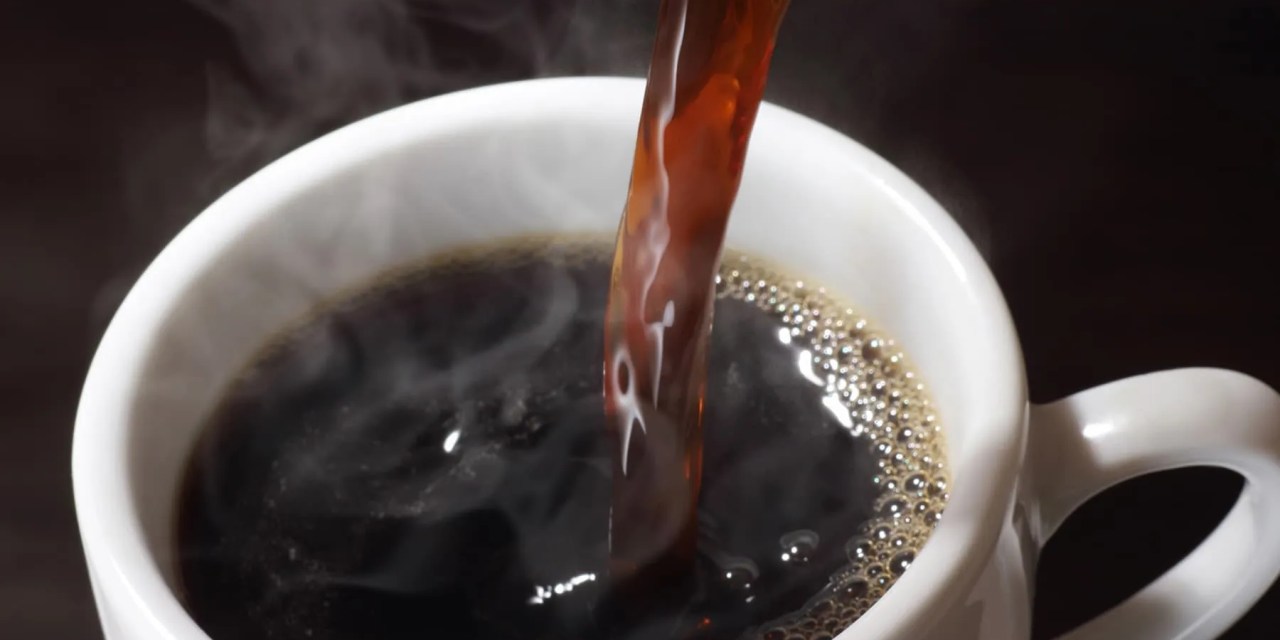
Black coffee is simply coffeewith nothing added – no cream, no milk, no sweetener. When you leave out those extra ingredients, you leave out the calories, fat, and sugar that come with them. That allows you to enjoy the health benefits of coffee without additives that aren’t as good for you.
Consider this: An 8-ounce Starbucks Caramel Macchiato has 120 calories, 15 grams of sugar, and 4 grams of fat. The same amount of brewed black coffee has 2 calories, no sugar, and no fat.
There’s another possible, though minor, health benefit of black coffee. When you don’t dilute your coffee, you get the antioxidants and caffeine it contains at full strength. These components are thought to be responsible for most of coffee’s health benefits. But you’d have to add a lot of cream or sugar to weaken your coffee enough to make much difference.
And what about coffee that looks blacker because it’s made of dark-roasted beans? It might seem logical that the darker the black coffee, the more health benefits it would have. Dark roast coffee has a darker appearance and fuller-bodied flavor than light or blonde roasts. However, the jury’s out on whether it’s better for you. For now, at least, it comes down to personal preference.
_______________________________________________________________________
Read Also : Indian scientists discover ‘mermaid’ plant species
________________________________________________________________________
Are There Health Benefits of Black Coffee?
Few studies have looked specifically at black coffee or compared it to coffee with cream, milk, or sugar. But a fair amount of research shows that you could get health benefits from drinking moderate amounts of coffee in general. While we need more and bigger studies to confirm coffee’s potential benefits, they include:
Alzheimer’s disease prevention. More than one study has linked regular coffee intake to a reduced risk of Alzheimer’s disease and other types of dementia. How strong this effect was found to be varied from study to study. In one, for example, middle-aged people who drank three to four daily cups of coffee had a 65% lower risk of developing dementia when they got older. On the other hand, another study found that people who drank more than six cups of coffee a day had a 53% higher risk of dementia.
Black Coffee Roasts
Coffee beans are picked when they’re green, then roasted to bring out their flavor. How long they’re roasted, and at how high a temperature, affects how they taste. And their taste can help determine whether you like drinking them without creamer or sweetener.
You can buy coffee that is:
- Blonde or light roasted
- Medium roasted
- Dark roasted
Darker roasts are roasted at a higher temperature, and for a longer time, than lighter roasts. The darker the roast, the stronger and more bitter the taste of the coffee.
But it’s a myth that darker roasts have more caffeine. In truth, light-roasted coffee is slightly higher in caffeine.
Does Dark-Roast Coffee Have Health Benefits?
There hasn’t been a lot of research into whether dark-roast coffee has more or fewer health benefits than lighter roasts. And among the studies that do exist, results are mixed. Researchers have looked at:
Antioxidant levels. Light roasted coffee has been found to contain higher levels of the antioxidants polyphenol and chlorogenic acid than darker roasts. These compounds may be damaged during the longer, hotter roasting process for dark coffees. However, research has also shown that dark coffee may have higher total antioxidant activity.
Nutrition in Coffee
Coffee is rich in several types of antioxidants, vitamins and minerals that reduce your risk of serious health conditions like cancer and heart disease by fighting cell damage. In fact, coffee is the biggest single source of antioxidants in most people’s diets. Coffee also contains moderate amounts of vitamin B2 and magnesium.
Nutrients per serving. One 8-ounce serving of black coffee contains:
- Calories: 2
- Protein: 0 grams
- Fat: 0 grams
- Carbohydrates: 0 grams
- Fiber: 0 grams
- Sugar: 0 grams
- Sodium: 5 milligrams
Coffee Portion Sizes
A single serving of black coffee is considered to be 8 ounces, much less than you might get in some cups you buy at a coffee shop or convenience store.
The FDA’s Dietary Guidelines for Americans define a moderate amount of coffee as three to five cups a day, or about 400 milligrams of caffeine. But if you’re sensitive to caffeine, you might need to drink less than that. Keep in mind that some other drinks, such as teas and colas, contain caffeine, too.
How to Prepare Black Coffee
You can buy coffee in any stage of readiness, from raw beans to brewed coffee from your local coffee shop. The taste of your coffee depends not only on the roast and the way you prepare it, but the type of bean used and where it comes from.
If you want to try switching to black coffee, choose fresh, high-quality coffee. It will be more flavorful, making it easier to forgo milk and sugar. Freshly ground beans also tend to taste better, so you might want to invest in a small coffee grinder.
After that point, the way you prepare your coffee also affects its flavor. Try some of these ways of brewing black coffee, all of which have their fans:
- An auto-drip coffee maker
- The pour-over method
- A French press
- An AeroPress
- The cold brew method
If you just can’t develop a taste for black coffee, try lower-fat, lower-calorie substitutions for cream and sugar. Use skim milk or unsweetened soy milk instead of cream or creamer. Try a small amount of artificial sweetener instead of sugar. Or just cut down on how much cream and sugar you use.
Ways to Use Coffee
Here are some ways you can include coffee in your diet besides drinking a morning cup to wake up:
- Try iced coffee in the summertime
- Freeze coffee into cubes to make iced coffee without watering it down
- Add coffee to marinades
- Pour coffee over vanilla ice cream for an Italian dessert
NOTE – This article was originally published in webmd and can be viewed here