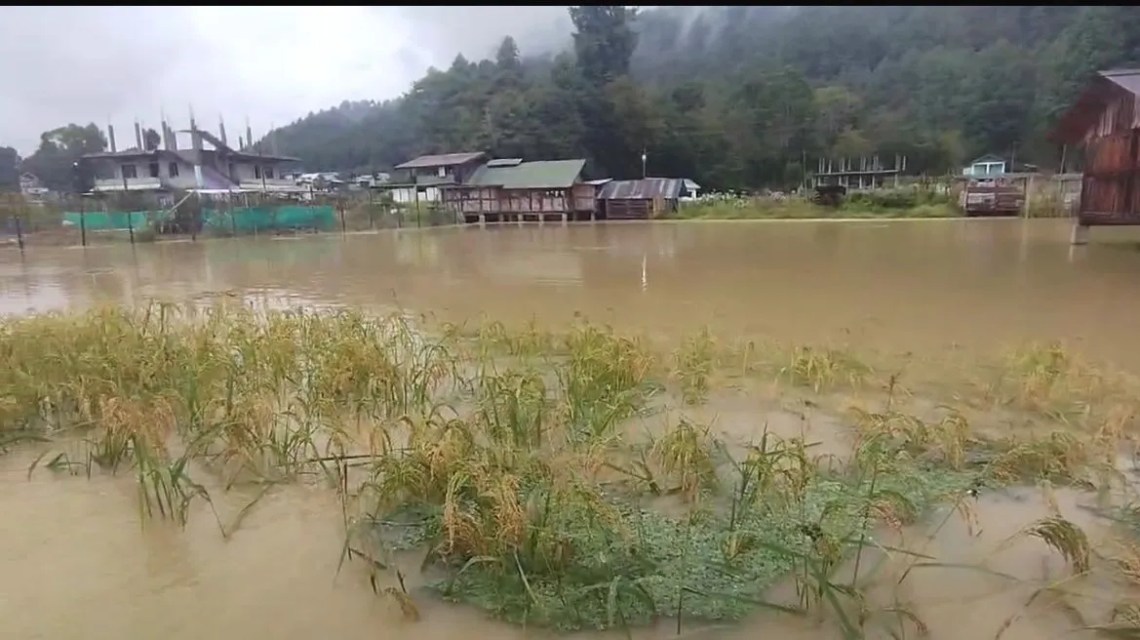

Itanagar: Arunachal Pradesh, known for its unique topography and vibrant biodiversity, is increasingly feeling the effects of climate change.
Speaking to Dr A. Sandeep, Scientist-D and Head of the Meteorological Centre in Itanagar, he explained that Arunachal Pradesh is experiencing more frequent and intense rainfall during the monsoon season, followed by prolonged dry spells.
He noted that heavy rainfall events, often concentrated in flood-prone valleys and low-lying areas, are increasing, while prolonged dry spells are becoming more common in cooler months. The state’s dynamic orography exacerbates these challenges, contributing to a higher frequency of landslides. Additionally, rising temperatures accelerate glacial melting, heightening the risk of Glacier Lake Outburst Floods (GLOFs), a threat that looms large in the Himalayan region. Cyclones and storms from the Bay of Bengal occasionally impact the state, causing widespread damage to infrastructure, crops, and livelihoods.
Dr Sandeep also pointed out shifts in wind patterns, with the cooler seasons experiencing westerly winds and the warmer seasons dominated by south-westerly to westerly winds, consistent with broader monsoonal trends.
“Arunachal Pradesh has experienced significant changes in its local climatic conditions. The plain regions of Arunachal Pradesh experienced hot, humid conditions with gusty winds, while the hilly regions were cooler and hazier, with lower wind speeds. Predominantly westerly winds during cooler seasons (winter, post-monsoon), while the warmer seasons (pre-monsoon and monsoon) saw a shift to south-westerly to westerly winds, consistent with the broader monsoonal wind patterns in the region,” said Dr A. Sandeep.
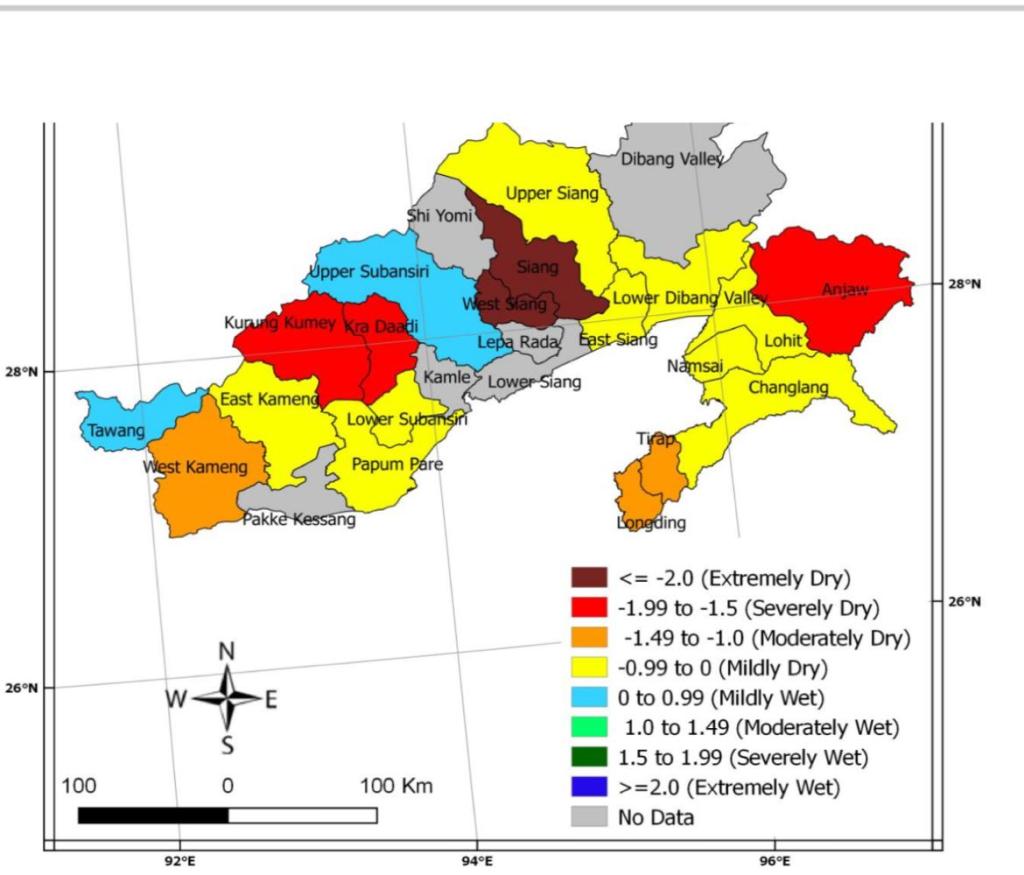
Rainfall data reveals that while light-to-moderate rains constitute 70% of the region’s precipitation, heavy-to-extremely heavy rainfall events have risen significantly, contributing 45% of the monsoon rains.
The effects of climate change can be acutely felt with rising temperatures, erratic rainfall, and extreme weather events. This raises concerns about agricultural productivity, the farming system, and livelihoods in the state. Tasso Butung, District Agriculture Officer (DAO) of Lower Subansiri District, explained the adverse impacts on agricultural productivity.
“Erratic rainfall and extreme temperatures are disrupting soil moisture and crop physiology, leading to reduced yields,” Butung added. In Ziro, for example, a heatwave, unprecedented in the region, damaged rice crops by inhibiting grain formation and stressing soil moisture. Harvest delays caused by unexpected rains during the critical October-November period have worsened the challenges. “During a recent department meeting, we discussed the significant impact of climate change on agriculture, particularly on rice crops, which are experiencing reduced yields and quality due to untimely rains, heatwaves, and increasing drought-like conditions.”
Similarly, the East Siang District is witnessing agricultural challenges due to the extreme rise in temperature, unprecedented heavy rainfall, and extreme weather. Highlighting these concerns, the Mebo Sub-Divisional Horticulture Officer (SDHO), Oyin Tayeng, told us, “The rise in pest populations, such as trunk borers in orange plantations, has directly reduced crop yields. Indirectly, climate change has disrupted pollination processes, particularly in garden crops, lowering overall productivity.”
Soil erosion and landslides, especially in hilly regions like Lower Dibang Valley, have damaged long-term crops like oranges, which take years to mature.
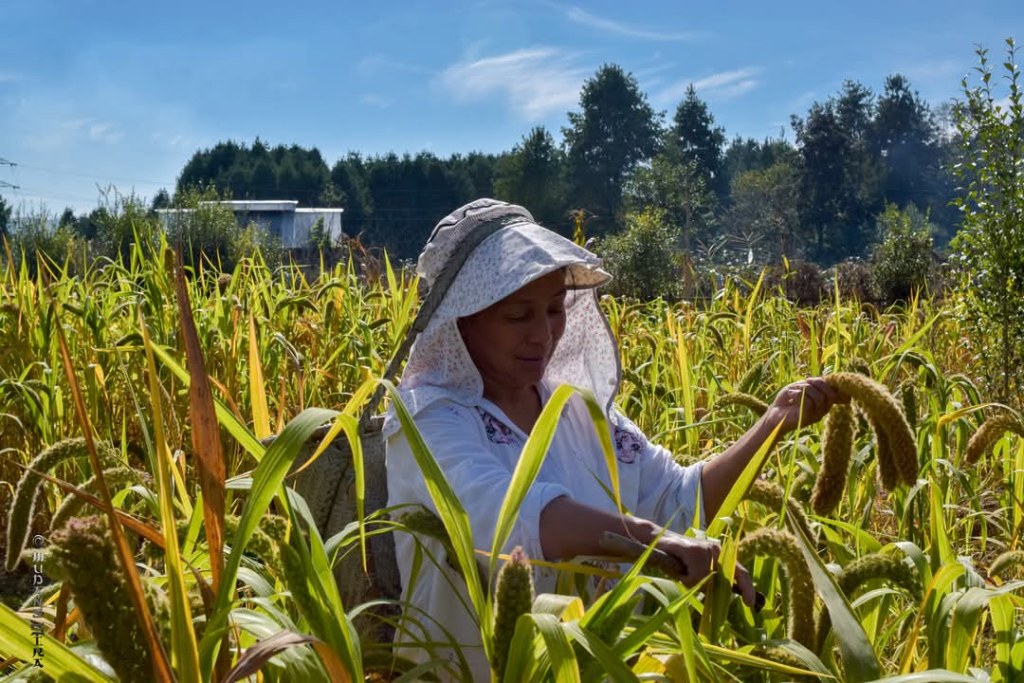
Meanwhile, farmers across the state report a range of difficulties. A Lower Dibang Valley farmer, who has cultivated fruits like oranges, guava, areca nut, and litchi for over two decades, describes significant shifts in weather patterns, including heavy rainfall, longer dry spells, and temperature changes. These conditions have led to lower productivity, crop damage, and soil erosion, particularly on the hill slopes where orange cultivation is prominent. The farmer shared, “Fruit-bearing plants, which take years to grow, are often lost to landslides, creating long-term setbacks.”
However, considering the situation, the government has also introduced training programs and distributed alternative crop saplings to help farmers adapt. However, farmers claimed that, from time to time, the government has distributed saplings, but the supply chain in the government system often leads to poor-quality saplings and planting materials.
Likewise, a farmer from Ziro shared, “This year’s sudden rains in October and November (2024) have damaged our crops, especially rice. The unexpected weather, along with the intense heat earlier in the season, has caused a lot of damage. It’s been hard to manage, and the yield per hectare has dropped significantly, making farming much more difficult.”
Climate change is not only reducing agricultural yields but also reshaping the socioeconomic landscape of Arunachal Pradesh. Several individuals are migrating from farming to other sectors, including unskilled and skilled labour markets, due to the instability in agricultural incomes, as stated by Mebo SDHO Oyin Tayeng.
Dr A. Sandeep, Scientist-D, said that research on climate change impacts in Arunachal Pradesh is ongoing. Key areas of focus include rainfall and temperature trends, the risk of Glacier Lake Outburst Floods, and agricultural resilience. Data from the Indian Meteorological Department (IMD) reveals a significant long-term negative trend in annual rainfall, with a slope rate of -0.11 mm/year from 1976 to 2022. Meanwhile, the frequency of heavy rainfall events has increased at a slope rate of 0.22/year, highlighting a growing tendency for intense rainfall.
“Monsoon onset delays, averaging three days later than usual between 2000 and 2024, disrupt agricultural cycles. The state has also witnessed more frequent cloudbursts, with Changlang station recording the highest number—99 cases in nine years. These extreme events, driven by factors such as orographic lifting, convective activity, and monsoon winds, pose significant risks to human life, infrastructure, and agriculture,” said Dr. A. Sandeep.
It is worth noting that Arunachal Pradesh’s annual mean land surface air temperature during 2023 was 0.93°C above the long-term average for 1981-2010, making it the third warmest year on record for the state since 1901. Seven of the state’s 14 districts reported deficient rainfall during the year, indicating growing water stress.
NOTE – This article was originally published in eastmojo and can be viewed here
Tags: #agriculture, #climate, #climatechange, #climatecrisis, #climaterisk, #environment, #getgreengetgrowing, #gngagritech, #greenstories, #monsoon, #nature, #rainfall, #weather