
The bar-tailed godwit is renowned for its ability to fly non-stop for up to 8 days covering over 12,000 kilometers during its migration from Alaska to New Zealand.
This feat not only showcases its incredible physical adaptations but also highlights its exceptional navigational skills, making it one of nature’s most impressive long-distance travelers. As climate change and habitat loss pose increasing threats, understanding the challenges faced by this resilient species has never been more critical.
1. Species:

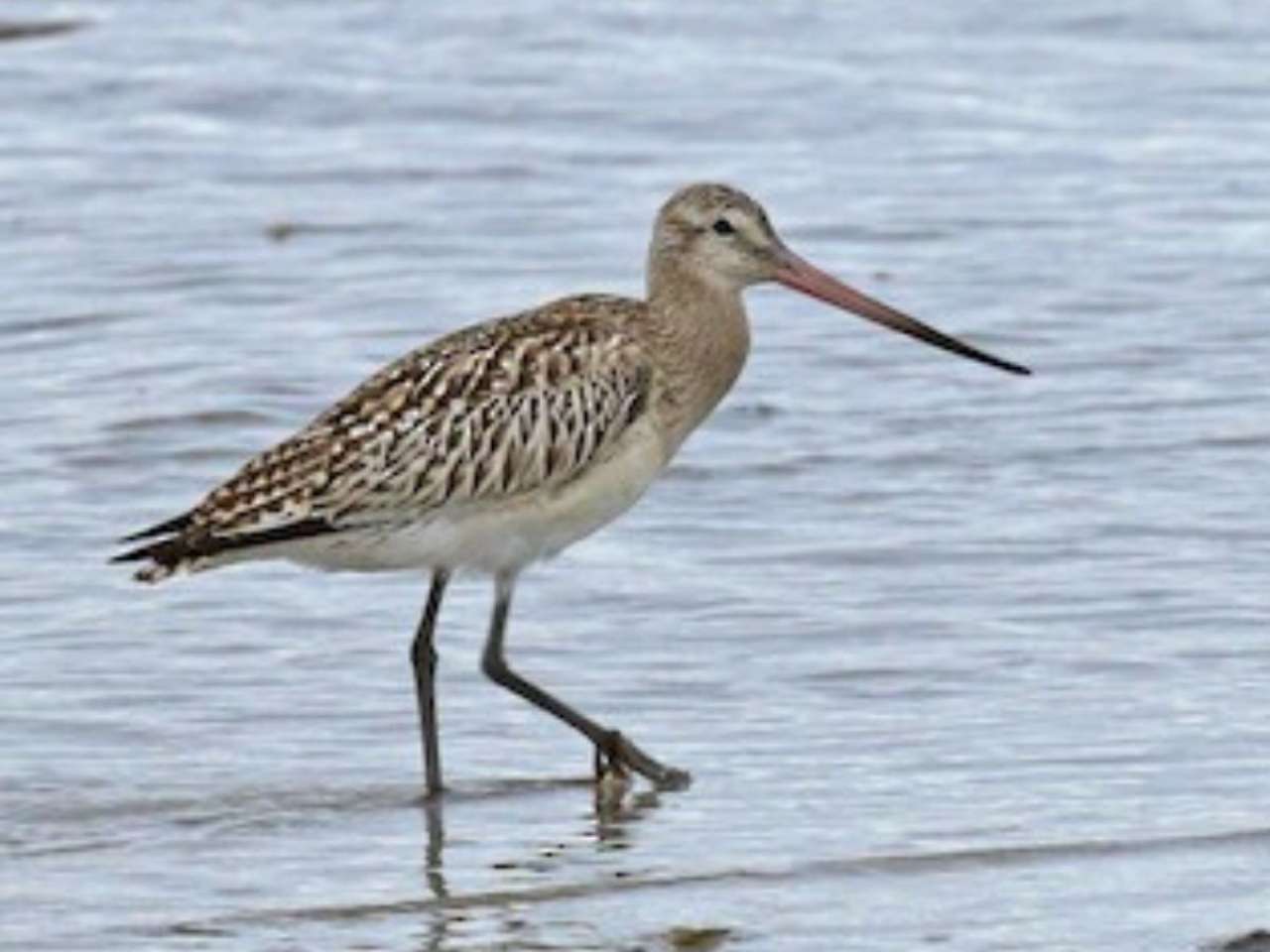
The bird in question is the bar-tailed godwit, known for its incredible migratory abilities.
________________________________________________________________________
Read Also: What Should the SEC Require in Climate Change Disclosures?
________________________________________________________________________
2. Migration Journey:
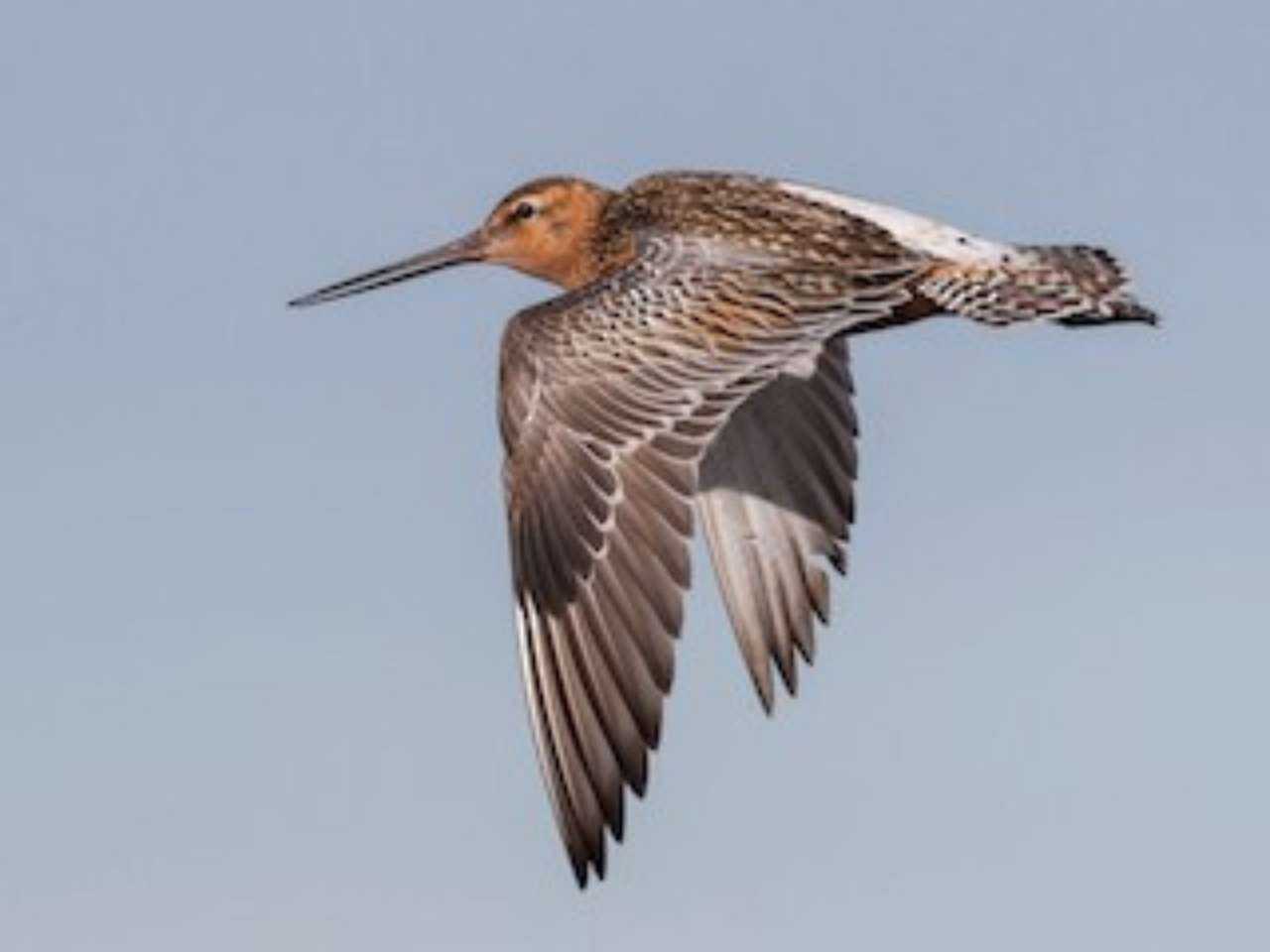
It undertakes one of the longest non-stop flights of any bird, traveling over 12,000 kilometers from Alaska to New Zealand.
3. Physical Adaptations:
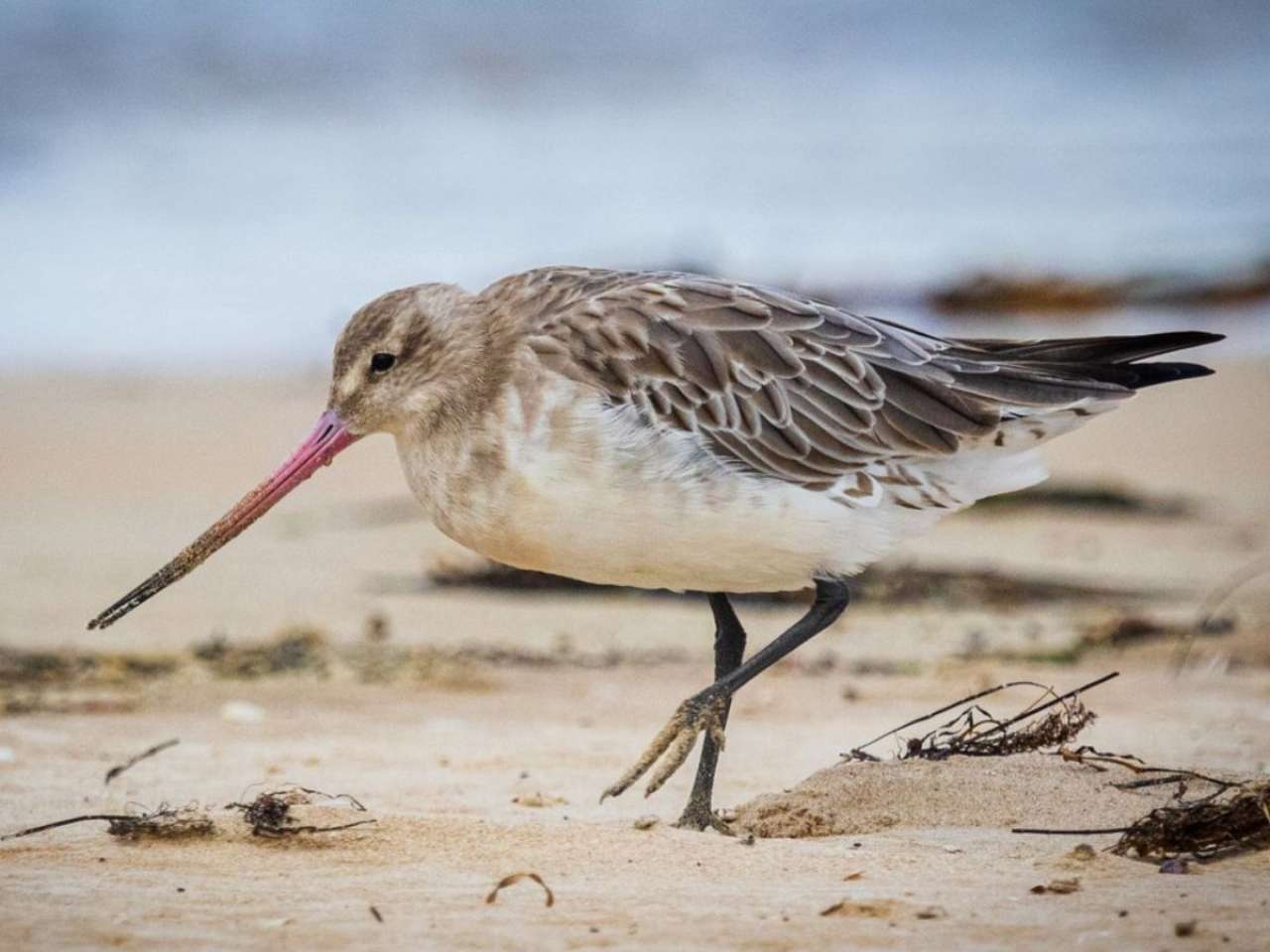
They have specialized physiological adaptations, such as high-fat reserves and strong wing muscles, enabling them to endure prolonged flights.
________________________________________________________________________
Read Also: Climate Change and how can YOU fix it
________________________________________________________________________
4. Flight Duration:
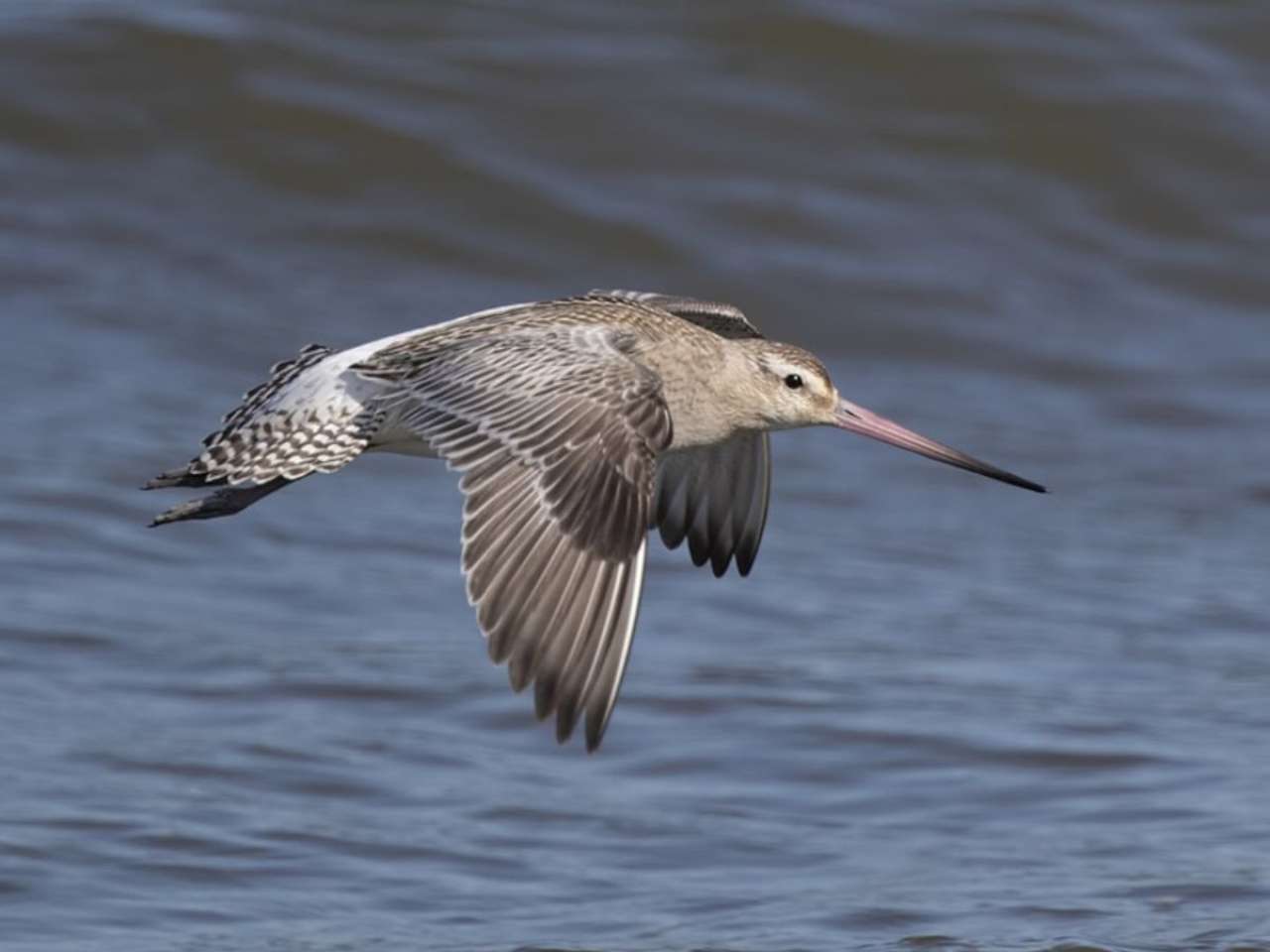
These birds can stay airborne for up to 8 days continuously, covering vast distances without needing to stop for rest.
5. Energy Management:
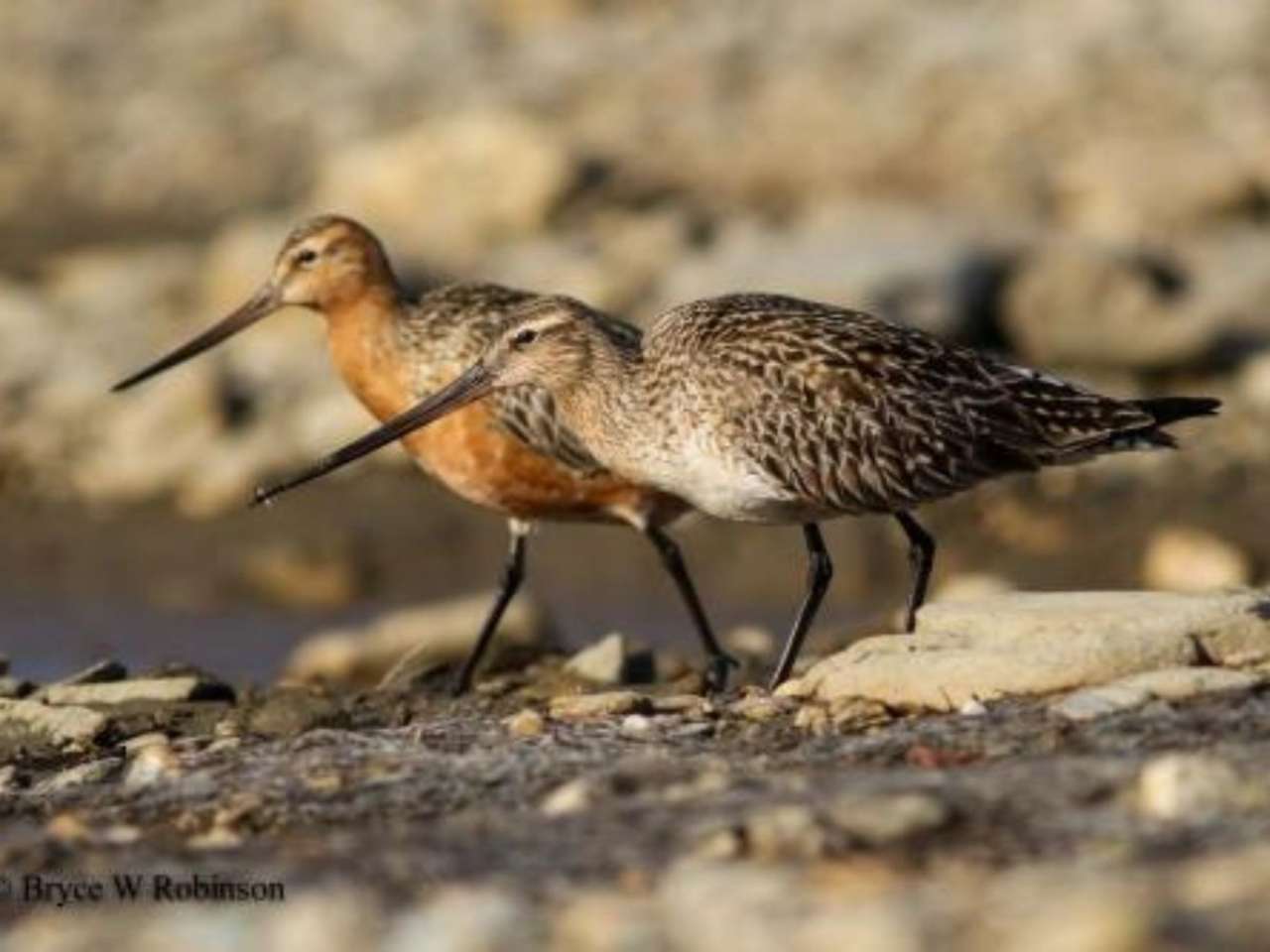
During their flight, they enter a state of physiological efficiency, reducing their metabolism to conserve energy and maximize endurance.
________________________________________________________________________
Read Also: How Climate Change Is Fueling Extreme Weather
________________________________________________________________________
6. Impact of Climate Change:
Studies indicate that changes in climate and habitat loss can affect their migratory patterns and food sources, raising concerns about their long-term survival.
NOTE – This article was originally published in dnaindia and can be viewed here