Dietician Vidhi Chawla, Founder of Fisico Diet Clinic, has listed the foods you should include to boost your haemoglobin levels.
Haemoglobin, an iron-rich protein found in red blood cells, transports oxygen all over the body. Normal levels of haemoglobin in the blood are required for your body to operate normally. As haemoglobin levels fall, symptoms such as weakness, tiredness, migraines, breathlessness, dizziness, poor appetite, and racing heartbeat might occur. If haemoglobin levels drop dramatically, the illness is known as anaemia, and signs can become severe.
________________________________________________________________________
Read Also: 4 plant-based foods to eat every week (and why science suggests they’re good for…
________________________________________________________________________
Everyone needs iron, but menstrual women, pregnant women, developing children, and patients healing from diseases are more vulnerable to low haemoglobin. When a female begins menstruation, it is critical because the body loses a lot of blood. In addition, your body requires more iron at a certain age, so failing to take safeguards early on might lead to anaemia later. Therefore, Dietician Vidhi Chawla, Founder of Fisico Diet Clinic, has listed the foods you should include to boost your haemoglobin levels.
5 Natural Methods For Increasing Haemoglobin:
-
- Increase your intake of folic acid: Folic acid, a Vitamin b1, is essential for forming red blood cells, and a lack of folic acid results in a low quantity of haemoglobin. Leafy greens, sprouts, black beans, wheat germ, peanuts, bananas, broccoli, and chicken liver are all rich sources of folic acid. Beetroot is also high in folic acid, iron, potassium, and fibre, which helps to enhance the body’s red blood cell count.
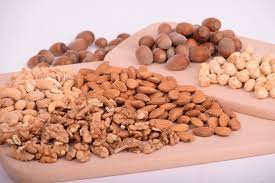
- Consume Iron-Rich Foods:Iron insufficiency is the most prevalent reason for lower haemoglobin levels. The top iron-rich foods include green leafy vegetables like spinach, beetroot, green peas, cauliflower, potatoes, fenugreek leaves, beans, tofu, Panner, Soya Bean, whole egg, apple, pomegranate, apricot, watermelon, pumpkin seeds, dates, almonds, raisins, amla, and jaggery.
_______________________________________________________________________
Read Also : Atlantic discovery: 12 new species ‘hiding in the deep’
________________________________________________________________________
- Exercise/Yoga: Workouts of low to high intensity are strongly advised since when you exercise or practice Yoga, your body creates more haemoglobin to satisfy the growing demands for oxygen in all body parts. Consuming a well-balanced diet is the most significant way to guarantee that you regularly obtain enough of all vital elements.
- Increase your vitamin C intake: It is crucial to have a mix of iron and vitamin C because they are a transporter-rich molecule employed for more excellent iron absorption,” explains Dt. Vidhi Chawla. Consume vitamin C-rich foods such as oranges and lemons.
- A Pomegranate Each Day Keeps the Doctor Away: Pomegranate is high in iron, calcium, fibre, and protein. Its nutritional content can aid in the growth of haemoglobin and promote healthy blood flow.
Tea, caffeine, and foods containing tannins, such as grapes, maize, and sorghum, are all foods to avoid when you have low haemoglobin. Instead, include Beets, Figs, Dates and Pomegranates in your breakfast and evening snack for best results, as suggested by Dt: Vidhi Chawla, Founder of Fisico Diet Clinic.
NOTE – This article was originally published in thehealthsite and can be viewed here
Tags: #breathlessness, #dizziness, #exercise, #fitness, #food, #getgreengetgrowing, #gngagritech, #greenstories, #haemoglobin, #health, #iron, #medicines, #protein, #vitamin, #weakness, #yoga