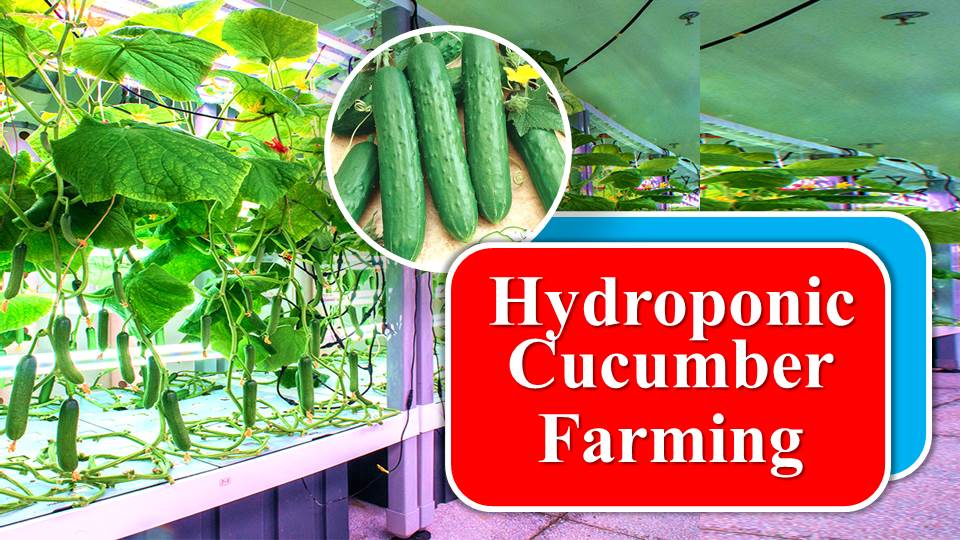
Are you eager to delve into the world of hydroponic cucumbers and turn your passion into a successful business venture? You’ve come to the right place!
In a time when sustainable agricultural practices are in the spotlight, hydroponics has emerged as a revolutionary method of cultivation, offering numerous benefits and opportunities. Amongst various crops that are suitable to grow in a hydroponic system, cucumbers have captured the attention of growers worldwide due to their high demand, impressive yields, and adaptability to controlled environments.
In this blog post, we will discuss different hydroponic systems suitable for cucumber cultivation, nutrient management strategies for higher yield, share effective pest and disease control techniques to minimize crop loss and much more.
Benefits of growing cucumbers hydroponically
- Year-Round Cultivation: With hydroponics, we can cultivate cucumbers year-round, independent of seasonal limitations. This continuous production ensures a steady supply of fresh cucumbers.
- Higher Yields: Hydroponic cucumber plants tend to produce larger and more abundant fruits compared to soil-grown plants. The controlled environment and optimized nutrient supply promote vigorous growth leading to increased productivity.
- Minimized weeding and soil-borne issues: By eliminating soil, hydroponic systems eliminate the need for regular weeding and reduce the risk of soil-borne diseases and pathogens. This saves time and labor as well.
- Sustainable and Controlled Farming: growing cucumbers in a hydroponic system reduces water usage, minimizes nutrient runoff, and eliminates the need for synthetic fertilizers.
Hydroponic system set-up for cucumber farming
Materials required
- Nutrient solution
- Growing medium such as Rockwool, perlite, coconut coir etc.
- Growing trays/containers
- Lighting system
- pH and EC measurement meters
- Water pumps
- Timer
- Additional nutrients (as per requirement)
________________________________________________________________________
Read Also : The young ancient secret of BIOCHAR,
________________________________________________________________________
How to Start–
To start the seeds of the cucumber in a hydroponic system, it’s not recommended to leave them in water until they germinate. A more suitable medium such as coco coir or mineral wool should be provided. The seeds themselves have a high rate of germination and take between 3 to 10 days to sprout.

Choosing the appropriate hydroponic system
- Nutrient Film Technique (NFT): A shallow channel or gully system where a thin film of nutrient solution flows over the roots
- Ebb and flow: Plants sit in a grow tray that periodically floods with nutrient solution and drains afterward.
- Deep Water Culture (DWC): plants are suspended in a nutrient solution with the roots submerged.
- Drip System: The nutrient solution is delivered through drip emitters directly to the base of each plant.
Hydroponic systems come in many shapes, sizes, and varieties. Each has its own advantages and works for certain plants. When it comes to cucumbers, the best hydroponic systems are the drip system, the ebb-and-flow system, and the Dutch bucket system.
Preparation of growing area and setting up the system
- Choose an area with ample sunlight exposure or a layout plan for artificial lighting.
- Assemble the components of your chosen hydroponic system, following the instructions of the manufacturer.
- Install water pumps and lighting system as per requirement.
- Arrange the growing trays or containers in a way that provides proper spacing for cucumber plants to grow.
- Follow the instructions provided by the nutrient solution manufacturer to prepare a solution.
- Use the pH and EC meters to adjust the pH level and nutrient concentration as needed.
- Carefully transplant the cucumber seedlings into the growing medium, ensuring their roots are adequately covered.
- Regularly check the nutrient solution levels, pH, and EC values to maintain optimal conditions.

Varieties of cucumber suitable for hydroponics
- Marketmore: Traditional slicing cucumber with a dark green skin and crisp texture. Marketmore cucumbers perform well in hydroponic systems, delivering high yields of flavourful cucumbers.
- Salad bush: Dwarf cucumber variety with compact growth and excellent disease resistance. Suited for smaller hydroponic systems, Salad Bush produces an abundance of small, crispy cucumbers.
- Sweet success: All-female flower variety with a sweet flavour and crisp texture. Sweet Success cucumbers are known for their high productivity, disease resistance, and suitability for hydroponic systems.
- English Cucumbers: Long, slender, seedless cucumbers with thin skin and a mild, crisp texture. English cucumbers grows exceptionally well in hydroponic setups, producing high-quality, uniform fruits.
- Space master: Compact cucumber variety that produces full-sized fruits on short vines. Ideal for limited-space hydroponic setups, such as containers or small grow trays.
________________________________________________________________________
Read Also : The Mystical Himalayas – Where Yogis and Sages Live – Part 1
________________________________________________________________________

Favorable growing conditions for hydroponic cucumber
- Temperature: Cucumber plants thrive in warm temperatures, typically between 21-29°C during the day and slightly cooler at night. Maintain a consistent temperature within this range to encourage optimal growth and prevent stress.
- Air Circulation: Good air circulation is essential for preventing stagnant air, reducing humidity and minimizing the risk of pests or diseases. Use fans or install an air circulation system to promote adequate air exchange around the plants.
- pH and Nutrient Levels: hydroponic cucumbers grow well in a slightly acidic to neutral pH range of 5.5-6.5. Regularly monitor and adjust the pH of the nutrient solution to ensure optimal nutrient availability and absorption. Conduct regular water and nutrient solution testing to ensure they meet the plant requirements.
- Light: Cucumbers are high-light plants and require at least 12-16 hours of direct or indirect sunlight each day. If growing indoors or in low-light conditions, use high-quality artificial lighting, such as LED or fluorescent grow lights.
- Humidity: Cucumbers prefer moderate humidity levels, ideally around 60-70%. High humidity can increase the risk of fungal diseases, so ensure proper air circulation and ventilation to prevent excess moisture build-up.

Disease and Pest management in hydroponic cucumbers
Common diseases that can occur in hydroponic cucumber cultivation:
- Downey mildew
- Powdery mildew
- Pythium root rot
- Bacterial leaf spot
- Fusarium wilt
- Angular leaf spot
Preventive measures to avoid these diseases:
- Implementing proper sanitation practices
- Monitoring appropriate nutrient solution pH
- Proper air circulation to control humidity levels.
- Applying appropriate fungicides can help control fungal diseases.
- Using disease-free planting material.
- Applying copper-based bactericides can help control bacterial leaf spots.
- Avoid overhead irrigation.
- Removing infected plant materials.
Common types of pests in hydroponic cucumber cultivation:
- Aphids
- Spider mites
- Whiteflies
- Caterpillars
- Thrips
- Leaf minors
- Snails
Preventive measures to avoid/control pests
- Manage aphids by introducing beneficial insects like ladybugs or lacewings
- Implementing physical controls such as sticky traps.
- Monitor for early signs of infestation
- Consider insecticidal soaps or oils for control.
- Allow the growing media to dry between watering cycles
- Monitor for caterpillar presence, physically remove them when feasible.
- Use physical barriers like copper tape or diatomaceous earth for snails and slugs.
Integrated Pest Management (IPM) practices are crucial in hydroponic cucumber farming. Regular monitoring, early pest detection, maintaining proper hygiene, introducing beneficial insects, implementing physical controls and using targeted insecticides as a last resort can help manage pests effectively while minimizing the use of harsh chemicals.
________________________________________________________________________
Read Also : The Mystical Himalayas – Where Yogis and Sages Live – Part 1
________________________________________________________________________
Harvesting of hydroponic cucumber
Here are some important points to keep in mind when harvesting hydroponic cucumbers:
- Typically, cucumbers are ready for harvest when they have reached a length of 6 to 8 inches (15 to 20 cm) and are still firm and evenly coloured.
- To harvest hydroponic cucumbers, gently hold the fruit near the stem and twist it slightly or use a clean, sharp pair of pruning scissors to cut the stem just above the cucumber.
- Avoid pulling or tugging on the cucumbers forcefully, as it may damage the plant or nearby fruits
- Handle the harvested cucumbers with care to prevent bruising or damage
- After harvesting, it is crucial to cool the cucumbers promptly to maintain their freshness and quality
- Place the harvested cucumbers in a cool environment or refrigerate them as soon as possible to slow down the ripening process

Scope of hydroponic cucumber farming
- Increasing Demand for Fresh and Locally Grown Produce: Consumers are increasingly seeking fresh, high-quality, and locally grown produce, including cucumbers. Local production also enhances food security, reduces dependency on imports and supports regional economic growth.
- Climate Change Adaptation: Hydroponics provides a means to mitigate the effects of climate change on agriculture, allowing farmers to overcome climate-related challenges and produce cucumbers consistently.
- Urban Agriculture and Vertical Farming: Vertical farming techniques coupled with hydroponics, enable the cultivation of cucumbers in vertical stacks or towers thereby maximizing productivity.
- Resource Efficiency and Sustainability: Hydroponic cucumber farming utilizes water, fertilizers, and land more efficiently compared to conventional farming.
- Entrepreneurial Opportunities: Hydroponic cucumber farming presents entrepreneurial opportunities for individuals and businesses interested in sustainable agriculture. It allows for diversification of farming ventures.
conclusion:
In conclusion, hydroponic cucumber farming presents a viable and sustainable solution for modern agriculture. Through the use of controlled environments, precise nutrient management and efficient resource utilization, hydroponics offers several advantages over traditional soil-based farming methods. It is evident that hydroponic cucumber farming is an exciting and promising field that merges technologies and innovation together.
NOTE – This article was originally published in timesofagriculture and can be viewed here
Tags: #agriculture, #crops, #cucumbers, #environments, #farmer, #farming, #Freshness, #getgreengetgrowing, #gngagritech, #greenstories, #hydroponic, #plant, #waterpumps