A strange sight is showing up more often in parks and forests—plastic bags tied to tree trunks. They’re not litter, and they’re not random. What they reveal could change how you see your next walk in nature.
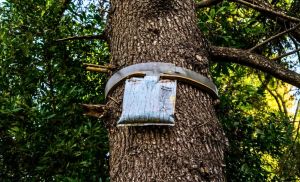
As nature begins to bloom in spring, forests, and parks fill with visitors eager to enjoy the outdoors. But amid the serene scenery, a strange sight might catch your attention—a black or transparent plastic bag tied around the trunk of a tree. At first glance, it may seem like careless littering. In reality, it often signals the presence of a hidden biological hazard lurking in the trees.
A Silent Warning About a Not-So-Visible Threat
Plastic bags attached to tree trunks, particularly in forested or rural areas, are not placed at random. They are eco-traps—deliberate installations designed to combat a seasonal infestation of processionary caterpillars, primarily the pine processionary and oak processionary species.
___________________________________________________________________________________________________________
Read Also: How Hydroponics May Be Essential for Urban Agriculture
____________________________________________________________________________________________________________
These insects are known for moving in long, orderly lines, a behavior that might seem harmless, even fascinating. But their appearance masks a real threat to humans and animals alike. The danger lies in their microscopic urticating hairs, which detach easily and float through the air.
These hairs can cause a range of health issues in people, including itchy skin rashes, eye irritation, breathing difficulties, and in rare cases, anaphylactic shock. Direct contact is not required; even passing near the caterpillars or their nests can be enough to trigger a reaction.
Pets Face Serious Risks Too
Animals are even more vulnerable to these caterpillars, especially dogs and cats, who often investigate new scents and textures while outdoors. If a dog sniffs or licks one of these caterpillars, it can suffer from necrosis of the tongue, excessive drooling, and respiratory distress. These reactions require immediate veterinary care and can be life-threatening without prompt treatment.
Given the severity of these health risks, municipalities and individual property owners take preemptive action in the spring. By wrapping eco-traps—which include a plastic bag, a funnel, and a container—around the trunks of affected trees, they intercept the caterpillars as they descend from the canopy to the ground. This stage of their lifecycle is when they seek to burrow into the soil and pupate into moths.
________________________________________________________________________________________________________
Read Also: Biodiversity in Urban Environments
_________________________________________________________________________________________________________

The Traps Serve a Dual Purpose
The bags are not only functional pest control tools but also visual signals to anyone nearby. If you see one, it’s a clear indicator that a colony of processionary caterpillars is active in the area. While the trap captures many of the insects, others may still be crawling on the trunk or in the surrounding area. Their hairs remain potent even when they are not directly visible.
Approaching or touching these bags can result in unintended exposure to the caterpillars’ irritants. It’s best to maintain distance and notify local environmental services or municipal authorities if the site hasn’t already been marked or reported.
For safety, children and pets should be kept well away from any tree bearing such a trap. And no matter how tempting it might be to intervene, removing or destroying the nests yourself is not advisable. The caterpillars’ hairs can persist in the environment for a long time, clinging to bark, foliage, and even floating in the breeze.
NOTE – This article was originally published in indiandefencereview and can be viewed here