A colossal seaweed belt stretching across the Atlantic is exploding in size—and scientists have just uncovered a startling new piece of the puzzle. Fueled by unexpected forces, this massive bloom is wreaking havoc on coastlines, ecosystems, and economies.

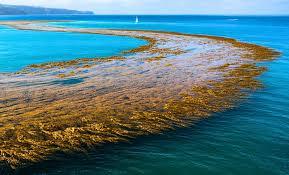
A vast, floating carpet of seaweed—so large it can be tracked from space—now stretches thousands of miles across the Atlantic Ocean, reaching from the Gulf of Mexico to the coast of West Africa. In May 2025, this so-called Great Atlantic Sargassum Belt hit an all-time high: 37.5 million metric tons of biomass drifting just below the surface, according to satellite estimates from the University of South Florida.
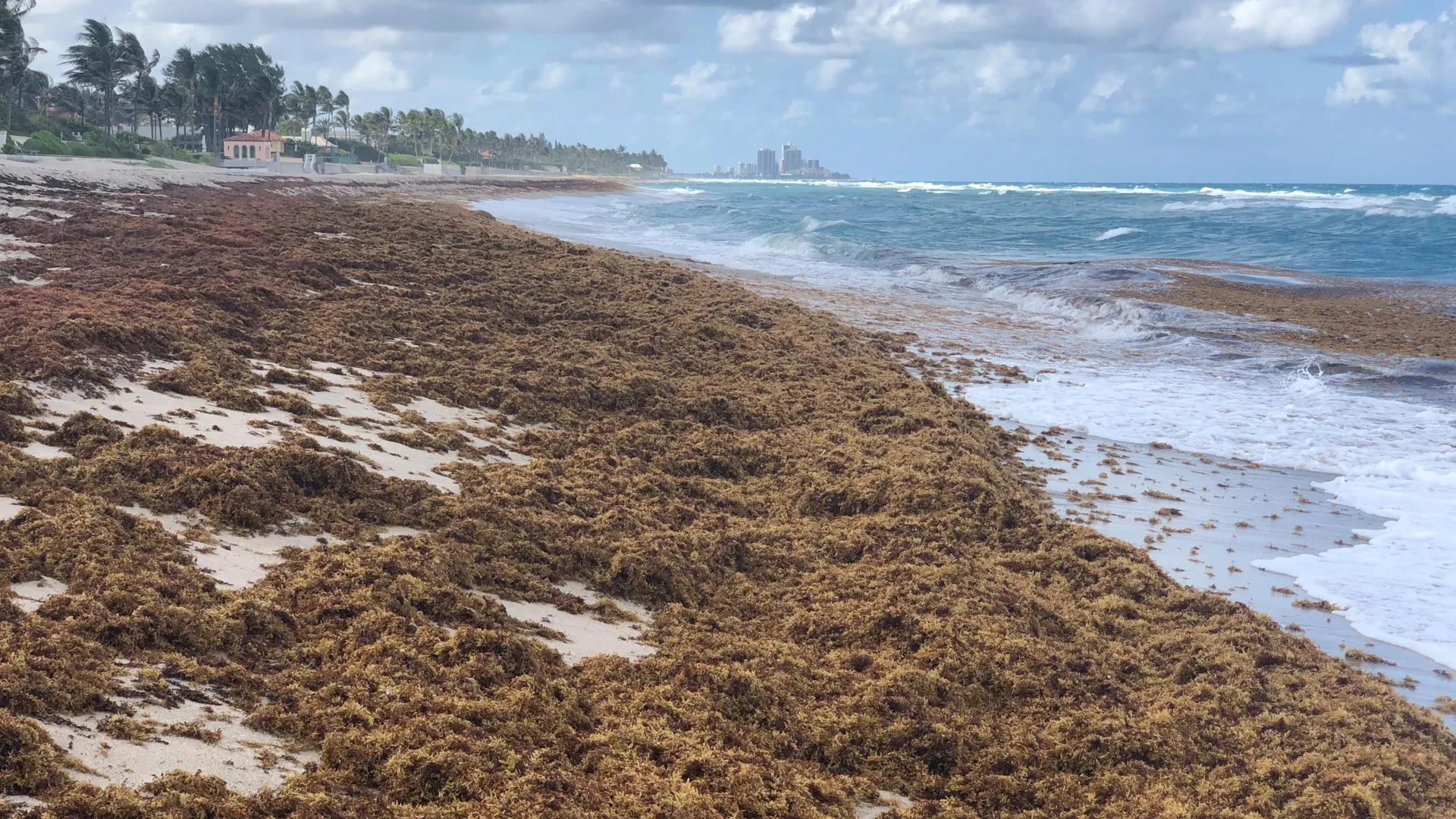
For years, coastal communities from Florida to the Caribbean have been bracing each spring for the dark brown tide that chokes beaches, kills wildlife, and drives away tourism. But while cleanup crews shovel tons of the rotting algae off resorts and shorelines, scientists have been racing to understand what’s behind the outbreak—and whether it’s a short-term event or a climate-driven shift in the Atlantic’s ecological structure.

Recent studies suggest it may be both. The belt is more than a nuisance; it’s now a sign of deeper oceanic transformations involving nutrient cycles, industrial pollution, microbial evolution, and warming waters. The discovery of a key ecological mechanism this year is reframing how researchers think about the phenomenon—and raising urgent questions about how to mitigate its impact.
A belt of seaweed as wide as a continent
Once confined to the Sargasso Sea, a relatively quiet region of the North Atlantic, sargassum seaweed has now colonized the entire tropical Atlantic basin. Its growth is no longer seasonal or scattered—it’s structured, persistent, and massive in scale. The belt currently spans more than 8,800 kilometers, or double the width of the continental U.S., according to Florida Atlantic University’s Harbor Branch Oceanographic Institute.
The turning point came in 2011, when unusually strong wind patterns and sea surface changes first pushed large mats of the algae into new latitudes. Since then, the blooms have returned almost every year, with mounting frequency and volume. A recent review in Harmful Algae traces the pattern to significant changes in ocean chemistry—particularly sharp increases in nitrogen and phosphorus, two nutrients that act as fertilizer for marine algae.

Much of that nutrient surge is human-made. Runoff from industrial farms, sewage discharges from urban centers, and Amazon River outflows have created a nitrogen-rich plume across the Atlantic. In fact, between 1980 and 2020, the nitrogen content in sargassum samples increased by over 50%, according to long-term satellite and biogeochemical data from FAU.
Microbial partnerships—and plastic
But excess nutrients alone don’t fully explain the explosive growth. A breakthrough came this year, when researchers at the Max Planck Institute for Chemistry identified an overlooked actor: cyanobacteria, microscopic organisms living on the surface of sargassum. These bacteria perform nitrogen fixation—turning atmospheric nitrogen into a usable form—and supercharge the algae’s growth, particularly in phosphorus-rich waters.
Upwelling events near the equator appear to pull phosphorus-rich deep water to the surface, creating the perfect conditions for this microbial partnership. “This symbiosis gives sargassum a serious competitive advantage,” said Dr. Jonathan Jung, lead author of the Nature Geoscience study. Coral core data across the Caribbean show that nitrogen fixation has mirrored bloom activity precisely since 2011.
Another surprising accelerant: microplastics. A separate study by Florida Atlantic University found that Vibrio bacteria—some strains of which are harmful to both fish and humans—cling aggressively to plastic debris entangled in sargassum mats. These microbes may further enrich the surrounding water with nitrogen through waste excretion, forming what scientists call a “pathogen storm” that intensifies bloom conditions.
“People don’t realize this isn’t just seaweed,” said FAU microbiologist Tracy Mincer. “It’s a floating ecosystem, and right now, it’s evolving fast.”
A growing threat to coastal ecosystems
While sargassum in moderation plays a useful ecological role—serving as shelter for juvenile fish and sea turtles—this belt has grown beyond any natural balance. When the seaweed reaches shorelines in massive quantities, it blocks sunlight, suffocates coral reefs, and creates oxygen-deprived dead zones.
The economic toll is also escalating. In places like Playa del Carmen, Mexico, and Barbados, hotel managers now allocate millions of dollars each season to clear their beaches. In Florida, a 1991 sargassum bloom even forced a temporary shutdown of a nuclear power plant after clogging its cooling intake system.
As the algae decomposes, it releases hydrogen sulfide—a gas that smells like rotten eggs and poses respiratory risks. Combined with the stifling visuals and sheer volume, the bloom is now driving away tourists and reshaping livelihoods in dozens of coastal communities.
NOTE – This article was originally published in Indian Defence review and can be viewed here