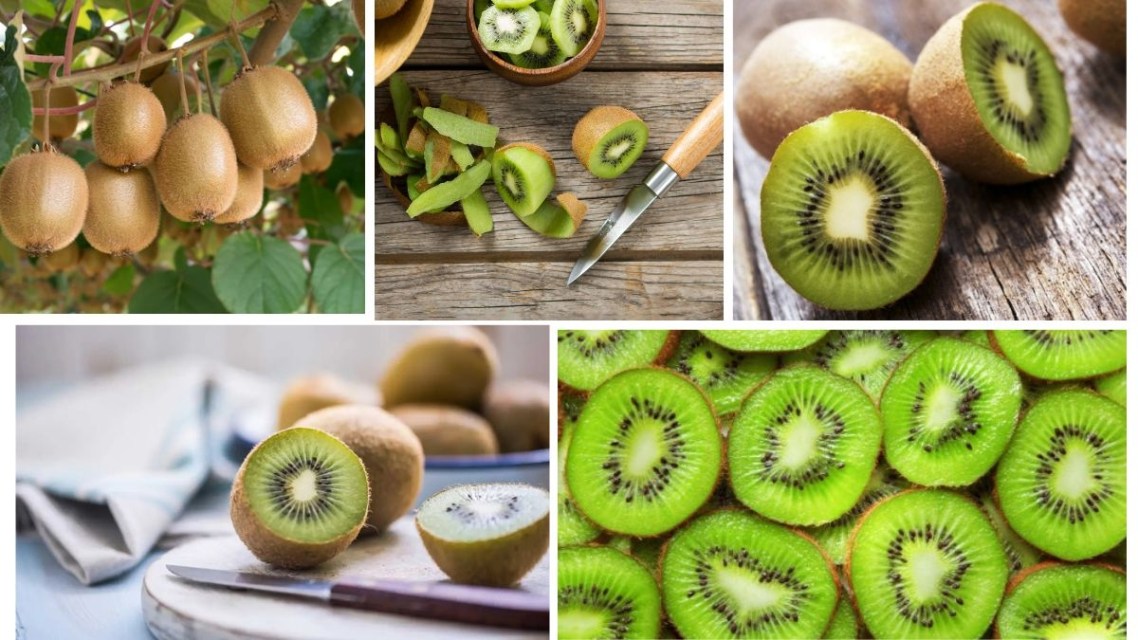

Kiwifruit, often referred to simply as “kiwi,” is a nutrient-rich fruit known for its vibrant green flesh, unique sweet-tart taste, and abundant vitamin C content. Over the years, kiwi has grown from a niche fruit into a global commodity, enjoying increasing demand for its nutritional value and versatility in cuisines around the world. Originally native to China, kiwi is now cultivated in several countries with favorable climates, and global production has steadily increased due to health-conscious consumers and expanding markets. In this article, we’ll explore the countries that lead the world in kiwi production, the key factors behind their success, and how kiwi farming has evolved into a significant agricultural sector.
________________________________________________________________________________
Read Also : Have a fussy eater at home? Add these colourful fruits and veggies to their…
________________________________________________________________________________
Origins and Growth of Kiwi Cultivation
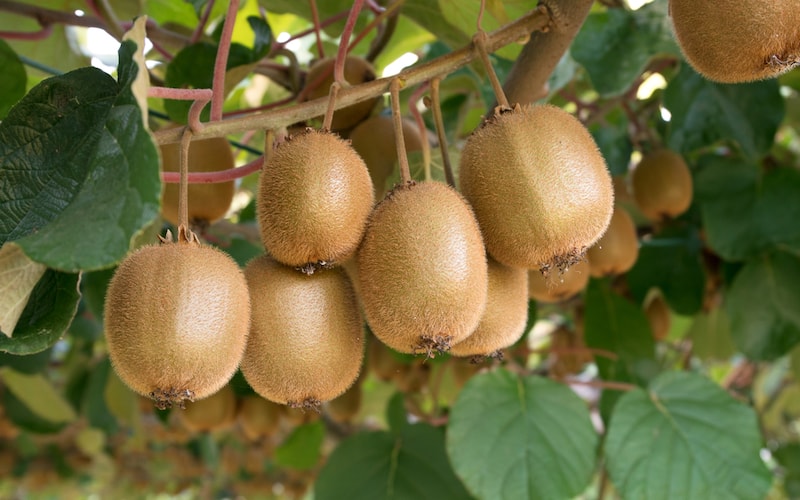
The kiwifruit (Actinidia deliciosa) was first cultivated in China, where it was known as the “Chinese gooseberry.” However, it was New Zealand that truly commercialized the fruit in the early 20th century. The fruit was renamed “kiwifruit” in honor of New Zealand’s national bird, the kiwi, which shares the fruit’s brown, fuzzy exterior.
Today, kiwifruit is grown in many parts of the world, especially where the climate offers moderate temperatures, good rainfall, and fertile soil. These conditions support the fruit’s growth cycle and ensure high yields.
1. China: The Undisputed Leader
Production Volume: Over 2.2 million metric tons per year (FAO, 2024)
Key Regions: Shaanxi, Sichuan, Hubei, Henan
China is by far the largest producer of kiwifruit in the world, accounting for more than 50% of global production. The fruit is indigenous to China, and the country boasts both wild varieties and cultivated types. In recent decades, China has rapidly expanded its commercial kiwifruit farming with support from government-backed agricultural programs. Modern cultivation techniques and strong domestic demand have pushed China’s production ahead of traditional leaders like Italy and New Zealand.
Why China Leads:
- Native growing conditions
- Expansive land under cultivation
- Government investment in modern agriculture
- Large domestic and international demand
2. Italy: Europe’s Kiwi Powerhouse
Production Volume: Approx. 400,000–500,000 metric tons per year
Italy has been one of the most significant kiwi producers since the 1970s. The Mediterranean climate, a
________________________________________________________________________________
Read Also : Top 31 Natural Home Remedies for Flu Symptoms
________________________________________________________________________________
Key Regions: Lazio, Emilia-Romagna, Pieddvanced horticultural practices, and export infrastructure have enabled Italy to maintain a strong global presence in kiwi exports.
Notable Trends:
- Italy is a major exporter, especially to the EU and North America.
- Recently faced challenges from bacterial diseases like PSA (Pseudomonas syringae).
- High demand for organic and yellow kiwifruit variants.
3. New Zealand: The Kiwi’s Namesake and Innovator
Production Volume: Around 350,000–400,000 metric tons per year
Key Regions: Bay of Plenty, Northland, Waikato
New Zealand may not lead in quantity, but it dominates the premium segment of the global kiwi market. Zespri, the country’s leading kiwi brand, is known worldwide for its consistent quality and innovation, especially with varieties like the SunGold (yellow-fleshed kiwi).
What Sets NZ Apart:
- Strong branding (Zespri)
- Focus on high-quality exports
- Advanced R&D for fruit varieties
- Biosecurity and sustainability practices
4. Iran: Rising Player in Kiwi Production
Production Volume: 250,000–300,000 metric tons
Key Regions: Mazandaran, Gilan
Iran has emerged as a significant kiwi-producing nation, particularly in the northern provinces bordering the Caspian Sea. Favorable weather conditions and growing expertise have helped Iran become one of Asia’s prominent kiwi exporters, especially to neighboring Middle Eastern countries.
5. Greece: Mediterranean Kiwi Giant
Production Volume: 300,000–320,000 metric tons
Key Regions: Central Macedonia, Thessaly
Greece has seen a surge in kiwi production over the past two decades. Ideal climatic conditions, coupled with increased EU funding, have allowed Greek farmers to expand their orchards and adopt better post-harvest handling. Greece now competes closely with Italy in the European market.
6. Chile: The Southern Hemisphere Supplier
Production Volume: 150,000–180,000 metric tons
Key Regions: Maule, O’Higgins
Chile is a key kiwi exporter from the Southern Hemisphere. It supplies the global market during the off-season for Northern Hemisphere producers. The country’s long growing season and established export channels make it a dependable supplier.
Advantages:
- Counter-seasonal production
- Strong logistics network
- Close ties with the US and European markets
7. France: Quality Over Quantity
Production Volume: Around 60,000–80,000 metric tons
Key Regions: Aquitaine, Midi-Pyrénées
Though not a major producer in terms of volume, France is known for its high-quality kiwifruit, particularly the Hayward variety. French kiwi is mostly consumed domestically and in select EU markets with an emphasis on organic and sustainable produce.
________________________________________________________________________________
Read Also : 20 Immunity Boosting Foods You Need In Your Diet Today___
_____________________________________________________________________________
8. Portugal, Turkey, and Spain: Emerging and Niche Players
Several other countries, such as Portugal, Turkey, and Spain, are increasing their share in kiwi production due to growing demand within the EU. These countries are investing in expanding orchards, especially for the yellow and red kiwi varieties.
Global Kiwi Market Overview
| Rank | Country | Estimated Production (Metric Tons, 2024) |
|---|---|---|
| 1 | China | 2.2 million+ |
| 2 | Italy | 450,000 |
| 3 | New Zealand | 400,000 |
| 4 | Greece | 320,000 |
| 5 | Iran | 300,000 |
| 6 | Chile | 180,000 |
| 7 | France | 80,000 |
| 8 | Turkey | 65,000 |
| 9 | Spain | 60,000 |
| 10 | Portugal | 55,000 |
Challenges Facing Kiwi Producers
- Climate change: Unpredictable rainfall and temperature extremes affect yield and quality.
- Diseases: Bacterial canker (PSA) and other plant diseases threaten orchards.
- Market saturation: Some regions face challenges in balancing production with fluctuating demand.
- Export barriers: Tariffs, phytosanitary regulations, and logistics can hinder market expansion.
Conclusion
The global kiwifruit industry is thriving, thanks to rising health awareness and demand for fresh, vitamin-rich fruits. While China leads the world in production, Italy, New Zealand, and Greece stand out for their quality, export reach, and innovation. The Southern Hemisphere’s Chile ensures year-round availability, while emerging players like Iran and Turkey add diversity to the supply chain.
Understanding the dynamics of kiwi production by country helps stakeholders—from farmers and exporters to investors and policymakers—strategically plan for future growth. As sustainability and quality gain more importance, the next wave of competition may focus less on volume and more on value.
NOTE – This article was originally published in brindavanagardens and can be viewed here
Tags: #agricultural, #china, #countries, #farming, #getgreengetgrowing, #gngagritech, #greece, #greenstories, #iran, #italy, #kiwifarming, #newzealand, Kiwifruit