
https://www.shutterstock.com/search/different+colored+leaves
Plants are living things that need to be taken care of. Green plants are basically living machines that use photosynthesis to manufacture their sustenance. Photosynthesis is the conversion of carbon dioxide and water into carbohydrates by plant cells in the presence of chlorophyll and light. The surface area required for the plant to gather sunlight and undertake photosynthesis is provided by the leaves.
The foliage of a plant is generally one of the first indicators of whether or not it is happy, healthy, and thriving. Here are some useful ideas on how to interpret what your foliage is talking to you, from purchasing a plant at the garden centre to keeping it happy in your yard. After reading this essay, are you still perplexed or unsure?
________________________________________________________________________
Read Also : ‘Code red’: UN report sounds alarm over irreversible climate impact, warns global warming threshold…
________________________________________________________________________
Bring a photo or a cutting of your plant leaf problem to your trusted local garden centre or county extension office, and they will generally be able to diagnose the problem and make recommendations for a suitable cure. But for now, here’s some help.
What Do Plant Leaves Look Like When They’re Healthy?
While it may seem self-evident, it’s critical to know what your plants’ leaves should look like so you can spot problems sooner. While every plant has its own development patterns and traits, healthy leaves typically have the following:
- Exceptional growth
- Color that is consistent (unless they are naturally variegated)
- Growth that is open rather than coiled
- The look is upright.
We can see the leaves the most since they are the most visible element of the plant. As a result, if we know and identify the indicators to look for, we may monitor the leaf and learn about the plant’s health. Nutrient shortage, too much or too little water, and insect damage can all cause stress.
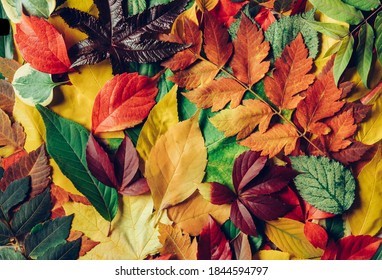
But what are the changes take place and why is the point. Let’s dive straight into it. Change in colour of leaf, every leaf has it’s own story/cause.
Symptoms of Leaf Illness
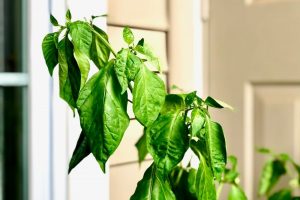
Wilting:
https://peppergeek.com/pepper-plants-wilting/
Wilting is a clear indication that the plant is thirsty or hot. If you reside in a hot environment, afternoon wilting is normal; however, if the wilting persists into the next morning, water immediately. Do you feel like you’re always watering your plants yet they’re still wilting? It’s possible that you’re not watering deeply enough. To stay hydrated, most plants prefer less frequent but deeper watering.
________________________________________________________________________
Read Also : Is it possible to prevent Global Warming?
________________________________________________________________________
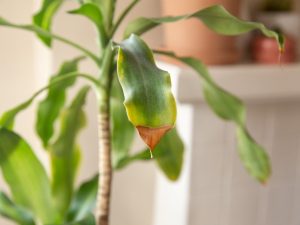
Brown tips:
https://www.thespruce.com/houseplants-leaves-turning-brown-1902675
This is an indication of underwatering, so plan to increase the frequency of your waterings or the depth to which you are watering. Those unattractive brown tips will not regenerate and turn green again; snip them off, or remove the entire leaf if the majority of it is brown and crispy.
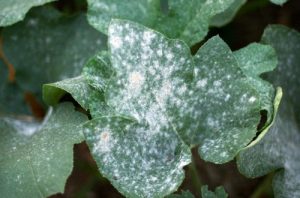
Surface of white powdered leaf:
https://www.houzz.com/discussions/2090456/white-powder-spots-on-my-pumpkin-plants
Powdery mildew is a simple to recognise fungus that appears on new growth during periods of high humidity. Planting plants too close together reduces airflow between them, which can lead to powdery mildew. To treat and halt the spread, provide plenty of space between plants, keep an eye out for wetness on the leaves, and apply an organic fungicide.
Tiny pale spots or webbing on leaves:
Spider mites are spider cousins that suck out plant juices through the leaves, typically leaving a light netting behind. If possible, isolate the plant and manage the pest using an organic insecticidal spray like neem oil.
Silver or bronze colored streaks:
Ahhh, those nasty thrips with silver or golden coloured stripes. These tiny insects pierce holes in the leaves and drink the sap, producing unsightly streaks on the surface. When you first notice the problem, use an organic pesticide like neem oil, then repeat at 7- to 10-day intervals.
Lower yellow leaves:
This might indicate a nitrogen deficit. If the plant is short on nitrogen, it will take nitrogen from the older, lower leaves and feed it to the young leaves. When your plant is in the leaf growth stage, use a high nitrogen fertiliser; when it’s in the bloom stage, use a low nitrogen fertiliser.
________________________________________________________________________
Read Also : Global Warming Kills 14 Per Cent Of World’s Corals In A Decade: Survey
________________________________________________________________________
Curled leaves: Heat stress can cause leaves to curl inward. If your plant is a potted plant, provide some overhead shade with a shade cloth, give it a sip of cool water, or relocate it away from a light source.
Aphids might be the cause of the yellow patches. These pesky beetles suffocate your foliage, leaving yellow patches and withering in their wake.
Deficiency in Nutrients
To survive, develop, and reproduce, plants require the appropriate balance of nutrients. When plants are malnourished, they display signs of illness. For plant growth and development, 17 nutritional components are required.
Macronutrients and micronutrients are the two types of nutrition. Macronutrients are nutrients that are required in big quantities. Nitrogen, potassium, sulphur, calcium, magnesium, and phosphorus are among them. Micronutrients are elements such as iron, boron, manganese, zinc, copper, chlorine, and molybdenum that plants require in small amounts (often negligible levels).
The roots naturally receive both macro- and micronutrients from the soil. If these nutrients aren’t available to the plant, it will exhibit stress symptoms. We can provide the lacking nutrition if we can detect the symptoms.
- A nitrogen deficit is indicated by the yellow-green tint of older leaves, especially the tips and central vein.
- A phosphorus deficit is indicated by a reddish or dark green tint with fading leaf tips.
- potassium insufficiency is indicated by wilted or burned-looking leaves, as well as yellowing between the veins.
These three components are the most straightforward to get since they are contained in plant food, which can be purchased at any nursery. N/P/K stands for nitrogen/phosphorus/Potassium.
- Zinc insufficiency is indicated by yellowing between the veins and a reduction in stem length with the terminal leaves forming a rosette.
Water Constraints
When plants are too dry, they exhibit moisture stress signs.
- Too little water is indicated by smaller-than-normal leaves that are wilted, folded, or deformed, dull gray-green in colour, and may turn brown from the outside in and drop. The leaves look to be frail.
When plants are overwatered, however, they can exhibit similar symptoms. •Wilted and yellowing leaves are signs of overwatering (and also nitrogen deficiency.) The plant’s leaves, both young and old, may fall off. The leaves look to be wilted.
A moisture metre may be used to evaluate the water condition of the soil at the plant’s roots.
Insect Infestation
Pesticides should only be used as a last option to eliminate insect pests. The majority of insect damage does not result in the death of the plant, because removing insect pests also results in the death of beneficial insects. Keep an eye on the damage, spritz it with water, prune it, and watch what occurs.
- Moth or other insect larvae generate off-color patches, meandering trails, or holes in leaves.
- Chewing insects are responsible for holes in leaves.
Conclusion
From close inspection of leaves, we can learn a lot more. It does, however, give you a sense of how signs of nourishment, water, and the presence of insects may be observed on plant leaves. Careful horticultural procedures may make a huge difference in a plant’s overall health.
Take safe measures according to the symptoms in order to restore the health of your plant and you’re good to go!
Tags: #fertilizer, #getgreengetgrowing, #gngagritech, #greenstories, #health, #horticultural, #leaves, #plant, #soil, #water