
Mangroves grow along tropical and subtropical coasts where rivers meet the sea. Strong roots rise above muddy ground and slow-moving water.
Fish, crabs, birds, and people depend on such forests for food, protection, and income. In recent years, another role has become clear.
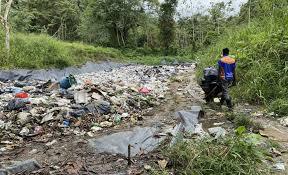
Mangroves trap large amounts of human waste. Plastic bottles, bags, food containers, and broken items collect between roots and stay buried for long periods.
New research from Colombia explains how mangroves turn into long-term waste traps and why nearby communities face growing risks.
Studying Colombian mangroves
Researchers published a detailed study after surveying mangrove forests across Colombia.
Ostin Garcés Ordóñez and Miquel Canals led the research from the University of Barcelona, Spain.
Field teams studied 29 mangrove locations and combined direct waste surveys with 671 interviews from coastal residents.
Results reveal how daily human activity drives pollution inside mangrove forests.
________________________________________________________________________
Why waste builds unevenly
Mangrove forests form in three main shapes – riverine, fringe, and basin.
Riverine mangroves grow along rivers and floodplains. Fringe mangroves grow along open bays and lagoons. Basin mangroves form deeper inland with limited tidal flow.
Research shows fringe mangroves trap more waste than other forms. Tides push floating rubbish toward forest edges, where roots stop movement.
Average waste levels reach about 2.5 items per square meter in such zones. Riverine and basin mangroves collect far less waste, often below 0.4 items per square meter.
Distance from towns also matters. Mangroves closer to cities collect more rubbish.
Tree size, tree age, and forest density show little effect on waste levels. Human activity remains the main driver.
Plastic dominates mangrove pollution
Plastic accounts for nearly ninety percent of all collected waste across all mangrove forms.
Floating items such as bottles, caps, food containers, and foam pieces appear most often.
Heavy materials like glass and metal appear more often in basin mangroves where direct dumping occurs.
Over time, sunlight, waves, and animals break plastic into smaller pieces. Crabs pull fragments into burrows. Mud slowly covers buried plastic. Such buried plastic can stay locked in soil for decades.
“Plastics slowly fragment due to the action of the sun, water dynamics and interaction with mangrove organisms, such as crabs, generating increasingly smaller fragments that are progressively buried, further promoting their long-term persistence: this is ‘soil plastic carbon,’” said Garcés Ordóñez.
How roots trap debris
Mangrove roots play a major role in trapping rubbish. Red mangroves use strong stilt roots that block floating debris.
Black and white mangroves use vertical aerial roots that slow movement and catch waste during calm tides.
Some plastic fragments return to open water during strong tides and storms. Small fragments enter coastal food webs.
“The smallest fragments, or microplastics, can enter marine food webs, a process that also poses a risk to wildlife and, ultimately, to the balance of coastal ecosystems,” said Martin Thiel, executive director of the MarineGEO Program at the Smithsonian Environmental Research Center.
Risks to local communities
Waste trapped in mangroves harms wildlife and people. Birds and fish swallow plastic. Crabs and turtles become tangled.
Toxic chemicals move through food chains. Fishing quality drops. Flood protection weakens as roots suffer damage.
Interview results show most local residents understand mangrove value and pollution risks.
Many residents blame poor waste collection systems. Open dumping, burning, and burial remain common near rivers and coastlines.
Most interview participants suggest better education, stronger waste services, reduced plastic packaging, and community-led recycling programs as solutions.
________________________________________________________________________
Steps needed to protect mangroves
Reducing single-use plastic packaging remains one of the fastest solutions. Reusable bottles and return systems can lower waste flow.
Improved sanitation services reduce dumping pressure near coasts. Education programs help communities link daily habits to long-term damage.
“Access to basic sanitation and proper management of waste and other types of refuse are fundamental rights for a dignified life, and a key requirement for protecting coastal ecosystems for present and future generations in Colombia and other countries in the region and around the world,” the researchers concluded.
Mangroves protect coastlines, store carbon, and support life. Protecting mangroves now requires stopping waste before roots trap another generation of plastic.
The study is published in the journal Environmental Pollution.
Image Credit: Ostin Garcés – University of Barcelona
NOTE – This article was originally published in Earth and can be viewed here