Both munakka and kishmish are made by drying out different types of grapes but both have their own health benefits. Let’s break down what’s better.

My mother would often give me munakka or black raisins whenever I fell ill. They actually happen to be very beneficial when it comes to boosting the energy level and immunity of the body. However, even the regular raisin or kishmish is also one favourite dry fruit. Munakka and kishmish are often used interchangeably. But is there any difference between munakka and kishmish? Is one better than the other? Let’s find out.
________________________________________________________________________
Read Also: Add These 7 Vitamin C Rich Superfoods to Your Diet to Reduce Stress, Anxiety
________________________________________________________________________
A lot of dry fruits play a significant role in many Indian cuisines, shakes, smoothies, and dips. Everyone loves munching on munakka and kishmish, but they fail to differentiate between them.
Indore-based dietitian Roopshree Jaiswal, Motherhood Hospital, Mechanic Nagar, shares with HealthShots some insights that will help you make the right choice.
She says, “While both munakka and kishmish are made by drying up grapes, there are still many differentiating characteristics that set them apart.”
________________________________________________________________________
Read Also: Do Negative-Calorie Foods Exist? Facts vs Fiction
________________________________________________________________________
Is there any difference between Munakka and kishmish?
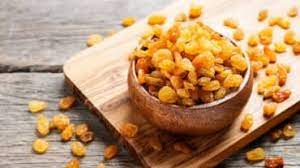
Kishmish, globally known as raisins, have a sweet taste and are usually consumed with cereals, sweet dishes, or as an alternative to regular sugar. On the other hand, munakka also has a sweet taste but is rarely used in dishes. One of the most significant differences between the two is the shape and colour. Kishmish is yellowish-green coloured, small in size, and seedless, while munakka is bigger and brown with seeds. There’s also a difference in taste as kishmish tends to be tangier and more acidic than munakka.
But when it comes to health benefits, both dry fruits have different health benefits from each other.
Benefits of kishmish or raisins
Kishmish is one such superfood that is healthy, yummy and full of nutrients. These small wonders of nutrients contain vitamins, minerals, phytonutrients, polyphenols, antioxidants and many other dietary fibres.

According to Jaiswal, “Kishmish is known to improve eyesight, regulate blood pressure, boost immunity, help weight loss, improve bone strength, prevent tooth decay, aid in digestion, and improves sexual health. “
In fact, kishmish can be a great alternative to unhealthy chocolates.
Benefits of munakka
Munakka is still considered a healthier option than kishmish due to its medicinal properties. Doctors recommend soaking the munakka overnight to make them easier to digest. “It does not induce acidity or indigestion due to its cooling property and is excellent for boosting your haemoglobin. It is also deemed effective in treating dry cough and respiratory tract inflammation,” says Jaiswal.
Munakka is also used to heal wounds due to its anti-inflammatory and antimicrobial properties.
Reap all the goodness by adding them in your daily diet.
Kishmish and munakka: what’s better for weight loss?
Both kishmish and munakka are high in calories. But the sugar present in them is natural and doesn’t cause any major effect on your weight unless you’re consuming them in high quantities. In fact, if you consume soaked kishmish and munakka then they can help you curb your sweet cravings, maintain blood pressure and give you loads of energy.
________________________________________________________________________
Read Also: 14 Probiotic Foods for a Healthy Gut
________________________________________________________________________
Jaiswal shared that “Munakka is a great source of fiber, which helps you feel full and prevents overeating. Thus, munakka can play a better role in weight loss as compared to raisins.”
Remember that if you’re on a weight loss diet, consume both of them in moderation.
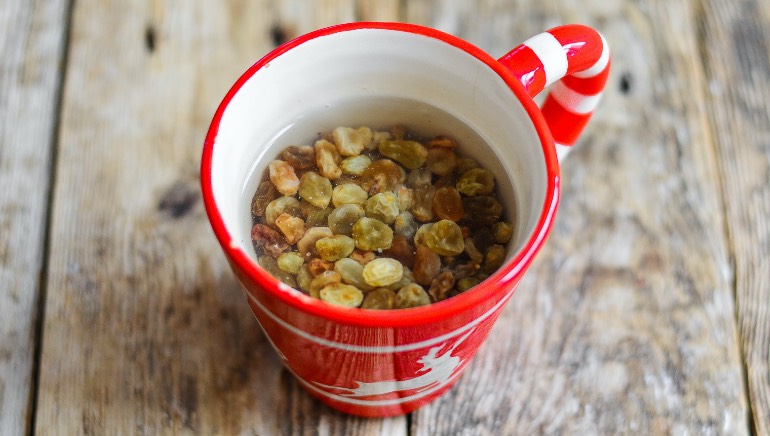
So what’s better anyway: munakka or kishmish?
“If you are looking for a healthier option between munakka and kishmish to add to your diet, you can go with munakka due to its medicinal properties and regenerative ability,” said Jaiswal. Munakka also contains important minerals like iron and magnesium.
However, you should always remember that kishmish and munakka have high calorie content and sugar and that’s why you must be consumed in moderation.