https://www.prettypurpledoor.com/native-vs-invasive/
If you’re new to gardening, you might not know the difference between a native plants, a non-native plant, and an invasive plant.
To be honest, I had no idea when I first started gardening.
While I am not an expert on the subject, I feel it is critical. That’s why I’ve taken the time to educate myself on the distinctions. I also intend to simplify this for you and give you some resources to help you continue your research and knowledge of native vs. invasive plants.
_______________________________________________________________________
Read Also : Don’t hike so close to me: How the presence of humans can disturb wildlife…
________________________________________________________________________
Let’s start with a fundamental understanding of the differences between native, non-native, and invasive plants.
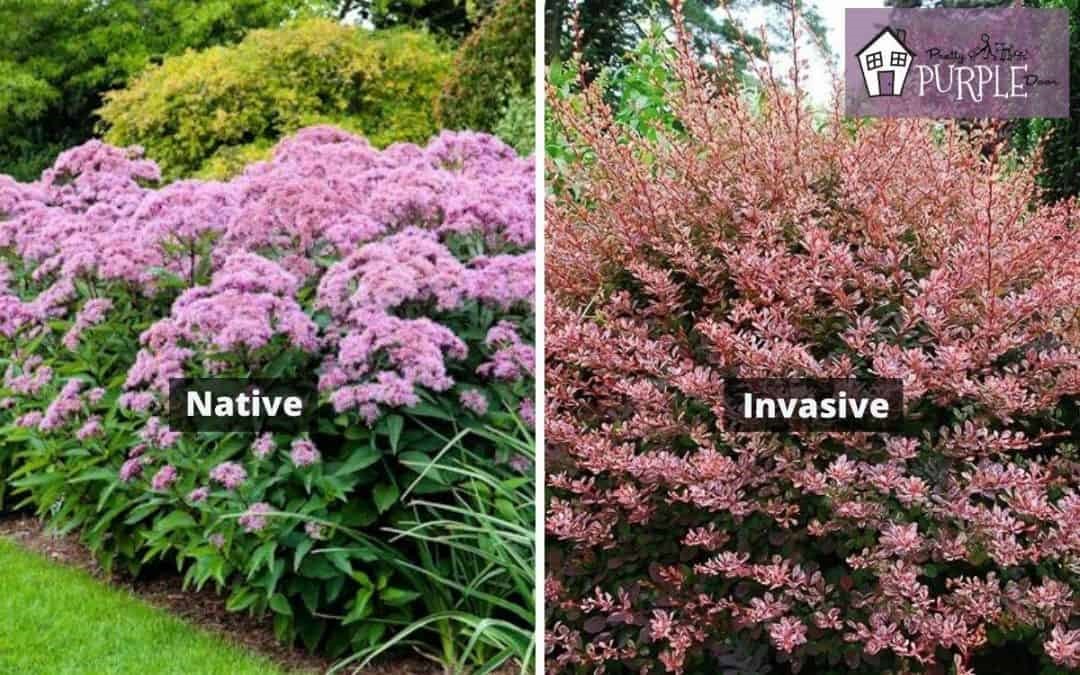
Native plants are plants that are native to the area where you reside. That means they develop organically, offer habitat and food for wildlife, and have no negative environmental impact.
Non-native plants are plants that have been “introduced” to your territory in some way, such as by a person, by accident, or by some other means. They would never have grown in your region if it weren’t for this activity (whether intended or not).
It is always non-native plants that are invasive. Non-native plants can “take over” when introduced to a new area, generating a slew of issues for your local ecology. This includes negative consequences for wildlife, insects, forests, trees, and plants, among other things. They’re awful news, in a nutshell.
Let’s study a little more about native and non-native invasive species now that you’ve grasped the fundamental distinctions.
Defining Native Plants
https://www.lawnstarter.com/blog/california/native-plants-california/
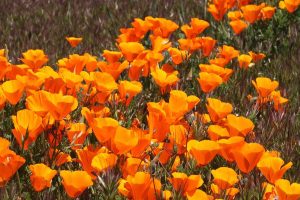
A native plant is one that grows without human interference in a certain location, ecology, or habitat. mosses and ferns to wildflowers, shrubs, and trees are all examples of native flora.
_______________________________________________________________________
Read Also : 15 Shocking Things That Would Happen If ALL The Glaciers Melted
________________________________________________________________________
Local plants have evolved over time in response to the soil and climate of the location, as well as in collaboration with other native species such as plants, animals, fungus, and bacteria. Native plants are found in naturally formed groups and have a critical ecological role.
Native plants nourish native insects, which is a big distinction between them and non-native plants. Insects that have evolved alongside native plants have learned to counteract some of the plants’ chemical defences while avoiding the ones they can’t. Non-natives, on the other hand, are frequently unable to feed insects.
Many insects, at least in the larval stage, can only eat one plant or a restricted number of plants. The monarch butterfly is a great illustration of this. It only eats milkweed as a caterpillar in its larval stage (Asclepias tuberosa).
You may help native animals at all phases of life by including some native plants in your yard. So, if you wish to attract bees, butterflies, or birds to your yard, you should use native plants. After you’ve done that, your garden will almost instantly turn into a vivid, lively environment! It’s simply incredible.
Native flora have several advantages.
Plants that are native to your area have adapted to the growing conditions. As a result, they are frequently simpler to cultivate, need less upkeep, and are less vulnerable to a variety of environmental stresses than non-native plants. Planting native plants in your garden has several advantages:
- Natives are more adapted to our weather, illnesses, and situations.
- Because of their deep and diverse root systems, they help to prevent erosion.
- Wildlife, particularly birds and the insects they rely on, can find food and refuge among native plants.
- They also contribute to biodiversity, ensuring that future generations will have healthy environments.
Common Misconceptions
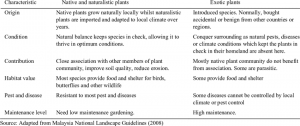
Plants native are often misunderstood. Both indigenous and non-natives offer animals with refuge and food. Non-native, non-invasive plants can also supply wildlife with refuge, nesting possibilities, and some food. Native flora, on the other hand, tend to sustain a larger diversity and number of wildlife. This includes the bees, butterflies, and birds that make our gardens so beautiful.
Native plants may be aggressive as well.
Some natural plants may be aggressive growers, causing a slew of problems. However, aggressive, not invasive, is the right name for these plants. Some gardeners refer to these more aggressive plants as “garden bullies.”
________________________________________________________________________
Also Read : Immune System and its link with Eating Healthy and Organic Food
_________________________________________________________________
Definition of an Invasive Plant
Invasive plants are non-native plants that have a detrimental influence on the area where they have been introduced. Invasive species are non-native species that have been introduced to a new area by direct or indirect human activity. To put it another way, they don’t naturally grow there. Invasive plants may deplete native plant populations as well as the insects that rely on them… and even the animals that eat those insects, etc. Invasive species can permanently affect the functionality of your local environment over time.
The term “invasive” is solely used to describe non-native plants. If you use right words, a native plant can be aggressive… but never invasive. However, a lot of people do this wrong, so be alert!
Invasive plants have far-reaching, long-term consequences. When invasive species take over, controlling or removing them becomes extremely difficult, if not impossible. This is particularly true if the invasive plants have spread across a vast area. Invasive species have a negative impact on both natural and urban environments. They’re also troublesome in other ways:
Plants aren’t all that horrible. The issue is caused by the conditions under which the plant was introduced. Frequently, when a plant is introduced, all of the elements that held the plant in check back where it originated from are not included. Insects, illness, predators, and other natural restrictions in its original habitat are examples. So, while that plant may be great where you live, it might cause trouble where someone else resides. Does that make sense?
I Hope it did! And it helped you with the basic understanding.
Tags: #climate, #environmental, #forests, #gardening, #getgreengetgrowing, #gngagritech, #greenstories, #insects, #nature, #plant, #trees, #whether, #wildlife