Centre will issue a directive to State governments to incorporate the requirement in building bylaws as part of efforts to eradicate manual scavenging; it proposes to impose penalty for violations; mechanised sewerage important for achieving the Sustainable Development Goals
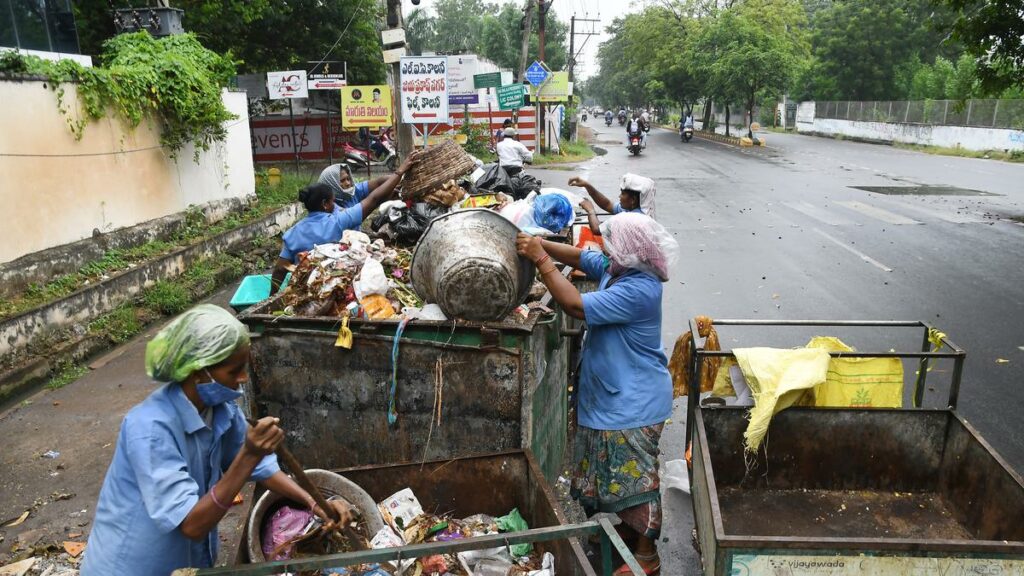
All upcoming housing societies and commercial complexes in the country will soon mandatorily have to ensure net zero waste and have their liquid discharge treated, as part of the government’s push for reforming and modernising the sewage disposal system.
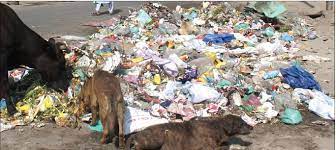
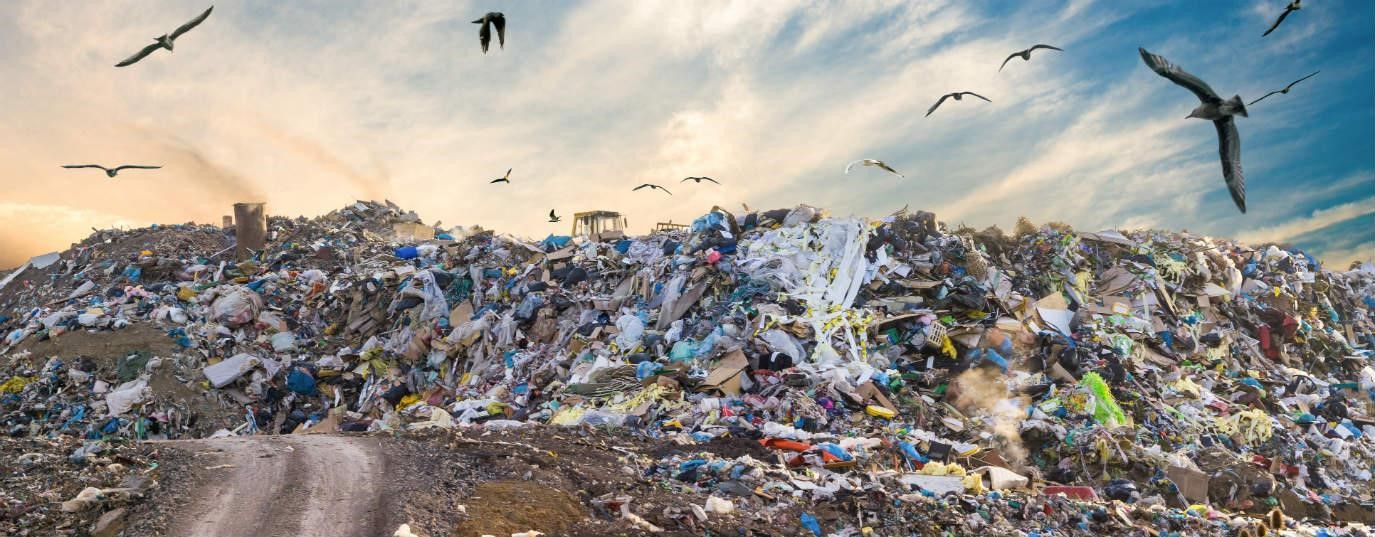
Achieving net zero waste means reducing, reusing, and recovering waste streams (sludge) to convert them to valuable resources so that zero solid waste is sent to landfills.
_______________________________________________________________________
Read Also : Climate change: governments’ pledges put planet on ‘catastrophic pathway,’ warns UN
________________________________________________________________________
The Ministry is also looking at integrating septic tank design into the building by-laws and adherence to standard specifications, geo-tagging all septic tanks and manholes for proper tracking, and reducing GST on mechanised cleaning vehicles.
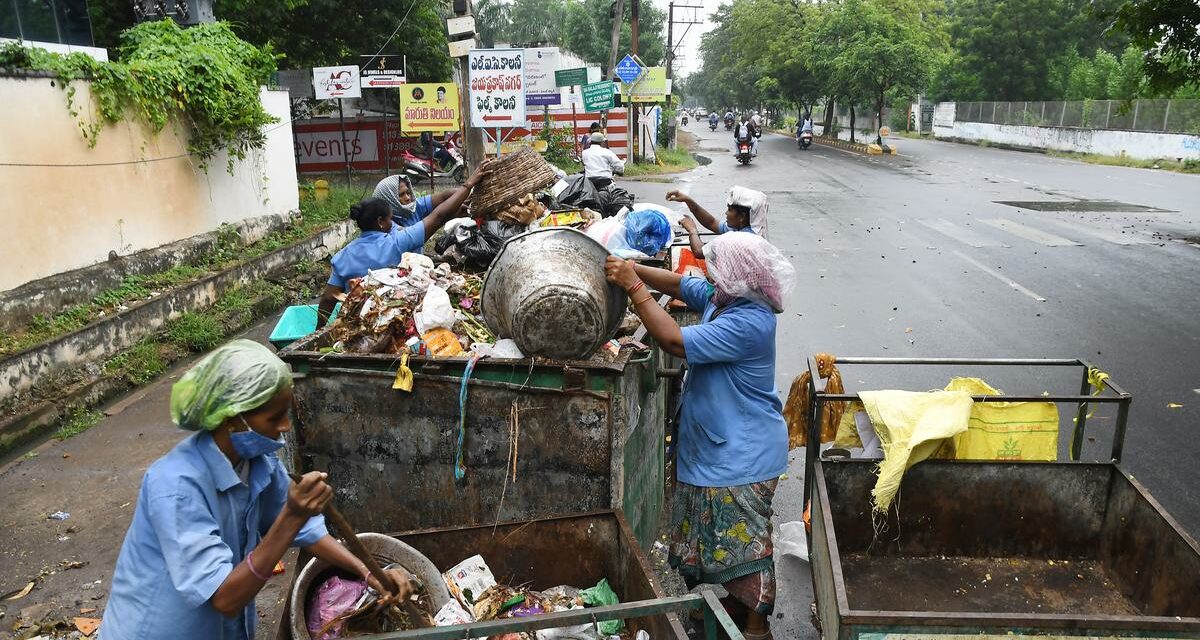
The directives are part of the government’s effort to implement the Manhole to Machine-hole scheme for complete removal of manual scavenging.
Finance Minister Nirmala Sitharaman had announced, as part of her budget speech for 2023-24, that all cities and towns will be enabled for 100% transition of sewers and septic tanks from manhole to machine-hole mode.
Some of the other guidelines include asking urban local bodies like municipalities to explore the potential of commercial use of processed sludge as fertiliser, and empanelling all agencies providing sanitation services in both the organised and unorganised sectors.
_______________________________________________________________________
Read Also : Johnson tells UN it is time for humanity to ‘grow up’ on climate change
________________________________________________________________________
Apart from this, the government will also review the Indian standards for mechanised cleaning equipment and consider differential tariffs rates for residential and commercial de-sludging. A Make in India start-up for promoting low-cost technological solutions like mechanical spades as well as sensor sticks for gas detection is also being considered.
For proper implementation, the Centre will ask the States to impose a legal penalty if buildings do not adhere to the bylaws and standard operating procedures, the official said. He added that the directives have being formulated as a convergence of programmes like Swachch Bharat, NAMASTE (National Action Plan for Mechanised Sanitation Ecosystem), and AMRUT (Atal Mission for Rejuvenation and Urban Transformation).
While the government’s intent is to end manual scavenging, with the Ministry of Social Justice and Empowerment estimating 400 people have died while cleaning sewers and septic tanks since 2017, experts believe a mechanised sewage system coupled with the mandatory zero net waste clause for housing and commercial complexes was important for achieving the Sustainable Development Goals (SDGs) as well.
The United Nations SDG 6.3 aims at “halving the proportion of untreated wastewater and substantially increase recycling and safe reuse globally” by 2030.
_______________________________________________________________________
Read Also : Nuclear tests in 1960s may have contributed to climate change
________________________________________________________________________
India currently generates 72,368 million litres per day of urban wastewater of which only 28% is treated, as per the ministry in data from 2023. This implies that 72% of untreated wastewater may be entering rivers, lakes, or groundwater.
The real estate sector welcomed the move. The Confederation of Real Estate Developers’ Associations of India (CREDAI), the apex body of private real estate developers in India, said these changes can also be promoted by incentivising urban local bodies to strengthen their sewerage and treatment infrastructure.
“We have encouraged our members to set up solid and liquid waste management units in their projects. Some developers are setting up sewage treatment plants (STPs) within their project premises too,” Harsh Vardhan Patodia, President, CREDAI, said.
According to a 2021 Ministry of Housing and Urban Affairs’ report titled ‘Circular Economy in Municipal Solid and Liquid Waste’, the country’s economy could also be boosted if the sale of treated sewage is institutionalised. At a conservative estimation, it has the potential to add close to ₹3,285 crore annually.
NOTE – THIS ARTICLE WAS ORIGINALLY PUBLISHED IN thehindu AND CAN BE VIEWED HERE
Tags: #buildings, #compost #composting #zerowaste #gardening #organic #garden #sustainability #recycle #vermicompost #soil #ecofriendly #nature #organicgardening #sustainable, #environment, #fertiliser, #getgreengetgrowing, #gngagritech, #greenstories, #netzero, #Pollution, #waste, #waste management