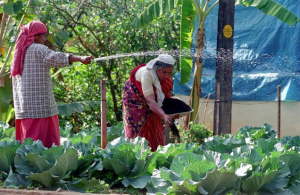
The two significant factors that have drawn ever-increasing interest to general consumers are food quality and safety. Because of the prevalence of larger chemical residue, more nitrates, heavy metals, hormones, antibiotic residue, and even genetically modified crops, conventionally grown crops have immense adverse health effects.(organic farm)
In comparison, crops that are conventionally grown are less nutritional and have fewer defensive antioxidants. Demand for organically produced foods has soared over the past few decades in the search for healthy foods due to their likely health benefits and food safety issues.
The idea of organic cultivation is not new to India’s soils. In fact, since ancient times, the farmlands across the nation have flourished with naturally-cultivated produce and rich & nutritious soil. It is fair to say that in the recent years, awareness of healthy farming methods and food free from pesticides has contributed to the resurgence of organic farming.
It is considered that farming is one of the oldest human occupations. Sadly, this noble work of making food has somehow gone out of style. Farming and agriculture in general are seen as a one-way ticket to hunger and drudgery in most nations. To explore more jobs in urban cities, young people are fleeing the countryside.
In India, the organic farming sector is economically competitive and guarantees rich returns. The business has seen 35 percent growth in terms of exports and new entrants in the past year. About 0.72 million hectares of fertile land was presently exploited by 0.65 million organic farmers.
The outlook is optimistic given that health-conscious clients are steadily increasing, government benefits are galore, and the profession is environmentally sustainable. As we think about beginning something different, several concerns strike up in our heads. Same goes with organic farming also. So today we will take you through a basic guide on how to start an organic farm in India.
Conduct initial research
When a growing number of people are moving away from chemical-infested agricultural products, your decision to start organic farming is laudable. You ought to become acquainted with the brand before embarking on the road to succeed on a commercial scale. Check for companies involved in organic farming, visit their premises, and negotiate with the owner the specifications and other preparations. Your attention should be on learning more about the deployment of capital to start the organisation and then to manage it profitably after launch. To grasp possible risks and teething concerns, you should also use the internet.

Know the basics of organic farming
The first step to beginning an organic farm is knowing the basics of natural and organic farming. This certainly provides hints of what should be expected and from where one can start. Investing in pre-hand analysis is useful. It is also important to participate in discussions with individuals who are already in the business. Participate in farmer-meet-up symposia and organic farm training programmes.
In making the exploratory process a lot easier, the experience of another farmer who went through a similar step is really beneficial. As there are large playlist guides, videos, and online forums on organic farming, the internet also plays a major role. Books on organic farming are also a big resource worth considering.

Choosing the site for your organic farm
For any venture to be successful, the web plays a critical role. The location of an organic farm typically determines how the enterprise will work out. When choosing the location, the temperature, soil fertility, humidity and water supplies weigh in heavily.
The location of the organic farm should be near a clean supply of water: water is a non-negotiable advantage for the growth and protection of crops. If the water supply is far out the drainage method is much more difficult to handle. This is a boring decision for a beginner to make, but is also important for the progress of the company. The farm’s access to the marketplace also plays a significant part in the farm’s sustainability. The closeness of the farm to the market enables quick shipment of goods for sale. It also tends to save money when bringing supplies to the plant.
It is highly essential to determine the soil quality of the site as well as the tools available when determining what can be grown in the soil. It is much easier to maintain a plant that is indigenous to the terrain, temperature, elevation, and available resources than to grow a plant that is alien to the region.
There are also situations where the land area available is reasonably inadequate for the large variety of crops that the farmer plans to produce. In these cases, for small farming area, such as vertical planting, container farming, and intercropping, among many others, there are many tried and tested workarounds.

Understanding your market
Knowing the sort of market that a farmer is catering for is also critical. In a certain sort of market, certain agricultural goods may not be sellable. In keeping the enterprise viable, this factor is very beneficial. Figure out what agricultural goods the consumer wants, what the purchasing power of the market is, and how much the market buys those products. It is also necessary to find out how the farmer is going to sell the goods. Also, maintain a contingency campaign strategy.
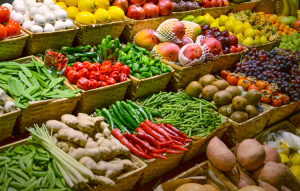
Crops compatibility with prevailing condition
By factoring in characteristics such as crop compatibility with soil, prevailing climate conditions, popularity in the local market, etc., you need to decide the type of products you want to produce. To determine pH, alkalinity, water absorption, nutrient, and porosity levels, the soil may be checked by the local government department. Don’t let your personal choice over demand from the market dominate, else you can incur losses.
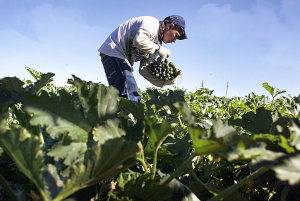
Prepare the soil with good compost
The healthy produce from organic farming starts with good soil. The state of the soil directly supplements the plants growing in it. Inorganic soil treatments are inherently detrimental to the environment, to plants growing in the soil, and to customers who ultimately eat food. Healthy soil means soil with nutrients which are required for plant growth. Among other essential compositions, healthy soil is a mixture of fertiliser, leaf and grass clippings, and manure.
When they make their own compost on site, farmers usually profit. It’s quick to make, and it saves a lot of cash. Compost helps to save water, minimise weeds, and keep out garbage. When one begins farming, this phase is critical. Depending on the plant and farm case, there are some methods that need to be addressed. In addition, for all plants on the field, one organic farming approach will not inherently operate.

Patience is the key
The method of planting a crop is a long one. Organic farming takes time and, relative to traditional farming, more effort is needed. Depending on the plant and farm case, there are some methods that need to be addressed. In addition, for all plants on the field, one organic farming approach will not inherently operate.
Networking with individuals who can assist in the marketing of farm goods is also very relevant. Such individuals also bind organic farmers with the right markets. Any people who plan to open an organic farm want organic fruits and vegetables to be bought overnight. Yet this is not quite similar to the truth of what is happening. A sluggish and repetitive method is growing organic crops. Organic farming does not go as expected on certain occasions. Physically and psychologically, an organic farmer must be prepared for unforeseen situations that could happen. The determined objectives of the farmer must be realistic. Patience, then is everything.

Read Also : Government schemes promoting organic farming in India
Future prospects of organic farming
India is a country dependent on agriculture, with 67% of its population and 55% of its workers relying on agriculture and related activities. Agriculture serves the basic needs of the fastest-growing population of India, accounting for 30 percent of overall sales. Organic farming has been found to be India’s ancestral tradition that has been practised over the millennium in numerous rural and farming cultures.
Even in developed countries such as India, the market for organically grown produce is higher, because consumers are now more conscious of food safety and sustainability, and organic practises have a huge effect on the health of soils that are devoid of chemical pesticides. The innovation in organic farming is very commendable. Currently India has been the world’s largest organic producer (Willer and Lernoud, 2017, 2019) and ranked eighth in the world in 2017 with 1.78 million ha of organic farming ground.
So, we can infer that supporting organic farming in India in the immediate future would create a nation that is nutritionally, ecologically, and economically sustainable.
Tags: #agriculture, #farm, #farming, #farmlife, #farmtotable, #getgreengetgrowing, #gngagritech, #greenstories, #healthyfood, #nature, #organic, #organicfarm, #organicfarming, #OrganicFood, #organicgardening, #urbanfarming, #vegan