
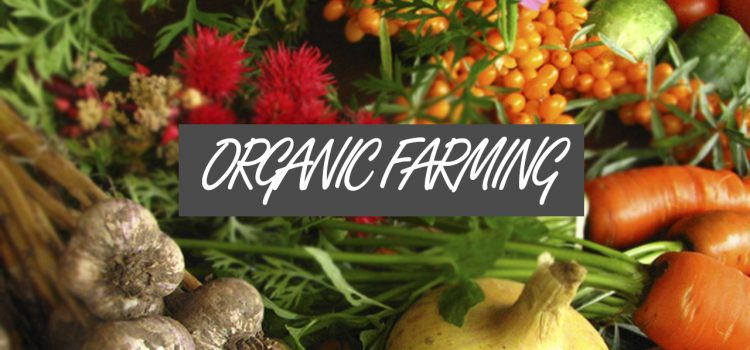

The best instructor for agriculture is nature. The origins go back to India and China when we learn about organic farming, where farming has been going on for more than 4,000 years. From its humble origins in the first half of the last century, organic farming has drastically mushroomed in importance and influence worldwide.
Organic farming is a method of cultivating the land and growing crops in such a way that organic waste materials such as cattle waste, agricultural waste, aquatic waste etc. are used to maintain the health of the soil intact and keep the soil micro-organisms alive. This also means that beneficial micro-organisms (bio-fertilizers) are used to make soil and atmospheric nutrients accessible to crops for improved crop production in an atmosphere free of environmentally friendly emissions.
In other words, it is a mode of development that preserves the quality of both the soil and human habitats. The chemicals were not used before World War 2 for agriculture. The area of agriculture has contributed to a variety of munitions used in agriculture. Ammonium nitrate, for instance, is used as ammonium nitrate fertiliser.
There are several companies known for their manufacture of GMOs. They are all well known because they dominate the agricultural industry, that is, they own the world’s crop, pesticides, and biotechnology industries. Some citizens are not in agreement with GMO goods. They are worried about GMO companies because they are seeking to monopolise the world’s food supply. They are worried that the great wealth and influence of the corporations, such as the pharmaceutical industry, would contribute to favouritism and regulations intended to shield them from organic and traditional farmers.
Agriculture’s concept of living in harmony with nature is profoundly rooted in ancient farming and is still practised in India, China and the Andes. This theory is embodied in organic agriculture, although it is possible to trace the modern history of ideas such as organic, biodynamic, natural farming and other similar concepts back to the early 20th century. In terms of the use of chemical fertilisers that increase soil nutrients and the use of genetically modified seeds for improved crop yield, traditional agriculture differs from organic farming.
Over the last few years, organic farming as a discipline has experienced a steep raise. The enhanced taste and greater nutritional value derived from organic produce are the most common explanations we can point to this phenomenon. Its benefits, however are not limited to its intake and nutrition benefits. The art of organic farming is also filled with tremendous environmental benefits.
Incredible Benefits of organic farming
REDUCED POLLUTION
Organic farming has pollution-reducing environmental advantages. In organic systems, the environmental benefits due to decreased chemical inputs, fewer soil degradation, water conservation and increased soil organic matter and biodiversity have consistently been greater than in conventional systems.’ Organic farming focuses on enriching the soil with natural additives.’ Organic cultivation decreases runoff because of the cleaner soil and thus produces a reduced chance of polluting rivers. A healthier environment benefits from the lack of toxic chemicals and fertiliser sprays.
BETTER SOIL QUALITY
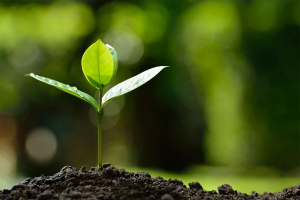
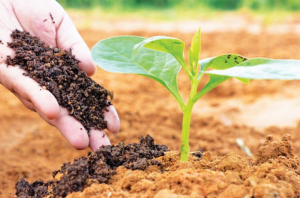
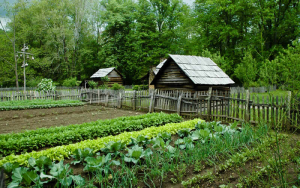
Organic farming is all about natural growing methods, which in terms of the overall effect on soil, are very superior to chemical soil management. Organic farming ensures that the world remains untouched because of the externally exposed pollutants, with its methods closely mimicking nature. This preserves the inherent potential of the soil to sustainably survive
Organic approaches mean that the soil, with its carbon and nitrogen cycle well regulated, is better and more useful. In addition, the normal nitrogen fixation in the soil often gets a boost due to substantial retention of beneficial bacteria. Studies point out that of 15.000 species, only a teaspoon of organic soil rich in compost can host up to 1 billion beneficial bacteria. This is in sharp contrast to the same amount of chemically treated soil, less than 100 in number, that is home to helpful bacteria.
COMBATS THE EFFECTS OF GLOBAL WARMING
As a sustainable activity, organic farming also leads to curtailing the global warming phenomenon. A significant analysis by The Rodale Institute Farming Method extensively analysed the comparative effects of organic and traditional farming. The study showed that organic farming not only has the ability to eliminate carbon emissions, but also to slow down the process of climate change.
ANIMAL HEALTH AND WELFARE
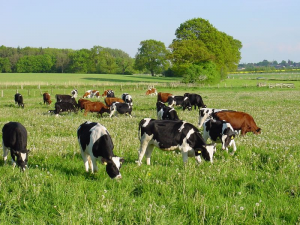
The natural ecosystem of most insects, birds, fish and so on is disrupted and damaged by pesticides and chemical sprays. On the opposite, organic farming, along with supporting birds and other natural predators to live peacefully in the farmland that serves as natural pest control, helps protect the natural environment.
BETTER-TASTING FOOD
It’s not your imagination: organic food actually tastes better than items that come from standard farms and techniques. Organic products appear to have a lower content of nitrate than non-organic types, resulting in fruits that not only taste sweeter but often have higher levels of antioxidants. Science shows that organic farming is not only tastier for you but much healthier!

PROMOTION OF BIODIVERSITY
Naturally, crop rotation to create soil fertility and animal husbandry helps foster biodiversity, which encourages greater health for all living species. As organic farms provide wildlife with safe havens, local ecosystems are also improving.
Read Also : Here is everything you want to know about Organic farming vs conventional farming
LOWER ENERGY USE
Reducing energy consumption is another environmental advantage of organic farming. Some common crops, such as maize, need soil rich in nitrogen, which is a result of high energy use when farmed in traditional ways. This is done by traditional farming by heavy spraying of fertilisers rich in nitrogen. The processing and transportation of these goods starts with energy measurements. Moreover, the use of equipment for repeated applications of less productive fertilisers results in a higher total energy demand than that of organic farming. By using composted manure and the use of cover crops, organic farming achieves nitrogen-rich soil instead.
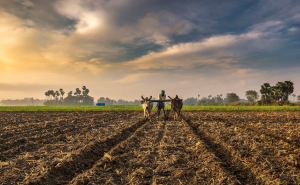
Therefore, with all of its environmental advantages, organic farming can be considered the flagbearer of sustainable farming. With the increasing population and the growing need to feed more mouths in the years to come, implementing this practise is of utmost importance in order to ensure that our natural resources are in a position to meet potential basic human needs.
Tags: #agriculturejobs, #agristudent, #bhfyp, #bhiwani, #bhu, #bihar, #bjp, #chandigarh#getgreengetgrowing, #gngagritech, #greenstories, #gurugram, #horticulture, #inc, #indianfarmer, #jaijawanjaikisan, #kaithal, #karnal, #khpetter, #kisandiwas, #kishan, #modi, #panipat, #rajesthan, #rohtak, #Tractor






Well I really enjoyed studying it. This subject offered by you is very practical for good planning.