https://www.unep.org/news-and-stories/story/growing-awareness-value-chiles-peatlands
Global population growth and urbanization have had a variety of negative consequences for society, including increased food consumption and the creation of vast volumes of animal and human waste. Livestock wastes, agricultural debris, biosolids and septage, food processing wastes, industrial organic wastes, logging leftovers, and wood industry wastes, as well as municipal rubbish, are all examples of organic residuals.
_______________________________________________________________________
Read Also :Huge volcanic eruption didn’t cause climate change and mass extinction 140 million years ago
________________________________________________________________________
Peatlands
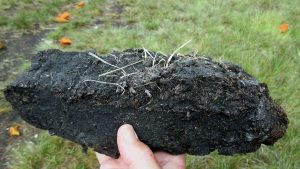
(Carbon stored in Peatlands)
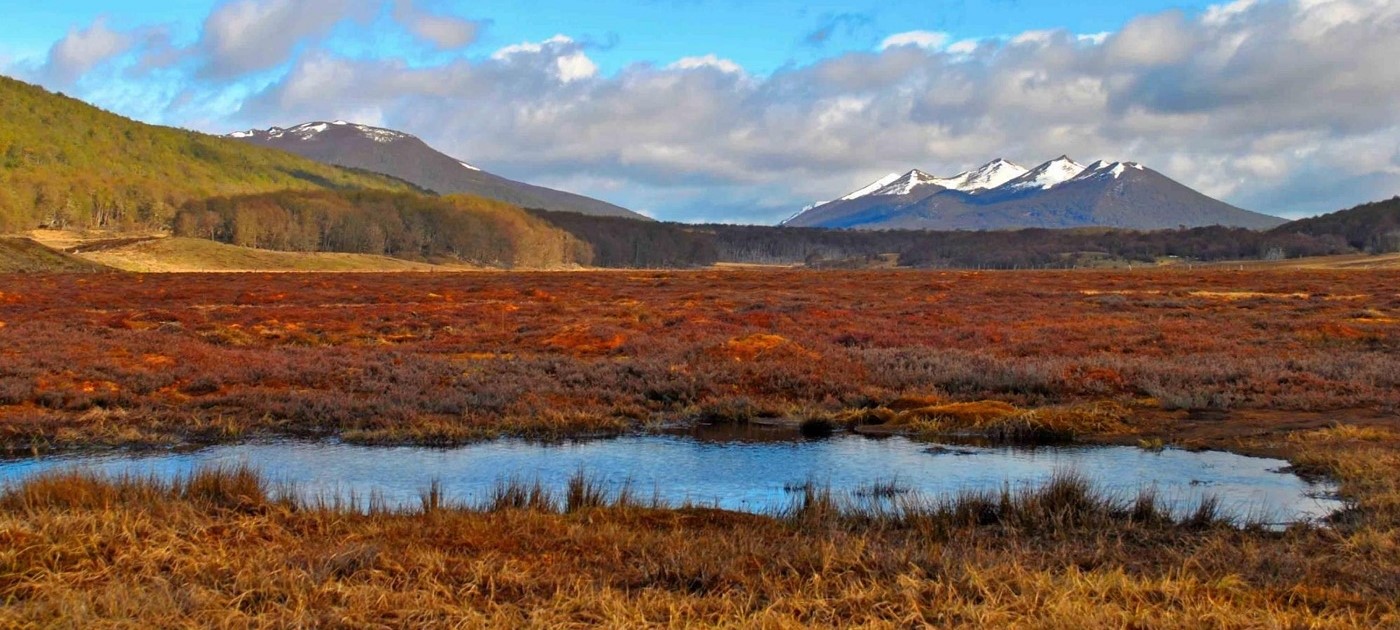
I’d like to discuss peatlands. Peatlands are a form of wetlands that may be found in virtually every nation on the planet, accounting for 3% of the total land area. The term ‘peatland’ refers to peat soil as well as the wetland habitat that grows on top of it. But why Peatlands?
Peatlands are a form of wetland that accumulates peat by collecting dead plant material that is prevented from biodegrading by the presence of water. This continually developing layer of organic matter (peat) slowly gathers carbon and sequesters it permanently in peatlands. And, despite the fact that peatlands have received little attention thus far, their latent potential is huge.
________________________________________________________________________
Read Also :Melting glaciers, rising seas: Approaching climate tipping points
To be fit for farming, peatlands require soil treatment. There are various advantages to creating environmentally friendly and cost-effective carbon sinks in peatlands derived from peat farming.Various useful biomass, as well as industrial by-products such as soil amendments and fertilisers, can be used for this purpose. The inclusion of such materials, for example, has the potential to turn peat bogs, which would normally slowly leak methane, into productive agricultural regions.
The conversion of underutilised peat bogs into other agricultural and forestry regions is potentially a significant commercial opportunity. Monoculture causes problems such as condensed soil, missed humus or soil organic matter, and reduced nutrient retention capacity, resulting in increased nutrient syphoning and negative environmental impacts. The examined industrial by-products might be used in non-food potato production in a variety of ways. Fiber sludge, biocarbon, hygienic biodigestate, paper mill sludge, and gypsum waste were all investigated as soil conditioners and fertilisers in this study. The most efficient fertilisers were sanitary biodigestate and fibre sludge, according to the findings of a nutrient content study.
Peatlands cover just 3% of the Earth’s land surface, yet they store 15% to 30% of the world’s soil carbon as peat in boreal and subarctic peatlands. Despite occupying less than 3% of the Earth’s land surface, boreal and subarctic peatlands retain CO2 that has been trapped in the atmosphere. These massive deposits are the result of peatlands acting as carbon sinks for millennia, but they also show the potential for large CO2 and methane (CH4) fluxes into the atmosphere or dissolved carbon (DC) fluxes into rivers if peatland carbon stores are destabilised by global warming and no land use changes are made. Until recently, peatlands have assisted to millennium-scale global cooling , and untreated peatlands are anticipated to continue operating as net carbon sinks despite high interannual variability.
_______________________________________________________________________
Read Also : What is Organic Farming If Not Sustainable?
________________________________________________________________________
The introduction of eco-friendly and cost-effective materials that may function as carbon sinks is a new innovation in this continuing endeavour. These are used in peatlands that don’t generate peat anymore. Soil conditioners and fertilisers may be made from a variety of useful biomass derived from industrial by-products. The balance of carbon absorption by plants and microbial breakdown determines the carbon sink capacity of peatlands. The speeds of both of these processes will accelerate as the world warms. The current global sink will rise somewhat until roughly 2100, then begin to fall.
Advantages of Converting Peatlands to Farming Areas
Peatlands will continue to be a carbon sink in the future, but by the end of the twenty-first century, their reaction to warming will shift from a negative to a positive climatic feedback (i.e., decreasing efficacy as a carbon sink with warming). The following are some of the possible benefits of carbon sink activity:
- It converts methane-emitting peat bogs into profitable farmed areas while simultaneously providing useful new carbon sinks by boosting the biomass necessary for long-term development (Lai 2009).
- Because there are no trees, roots, or stones in the soil, pre-treating it for agriculture is simple. The spaces are also rather spacious. As a result, dividing them into multiple uses is simple, including experimental zones that might incorporate both agricultural and forest cultivation at the same time.
- More farming areas will become accessible as a result of the conversion of former peatlands, in order to meet the demands of a rapidly increasing bio-economy and expanding bio-refinery facilities that are largely foreign-owned. These requirements include a variety of fibre and potato starch-based items, as well as fabrics and plastic replacements. Furthermore, the quality of fiber- and starch-based goods is determined by a variety of factors, including the type of wood used, the location where the trees are produced, and the fertiliser used to grow the trees. Site, environmental, and stand conditions, as well as management, genetics, and age, all have a role in the creation of wood. As a result, it is critical to use the proper amount and kind of fertiliser. This discovery is likely to have a significant influence on the quality of fibre materials used in future product manufacturing.
________________________________________________________________________
ALSO READ | Healthy Diet Plan For Home Quarantined Corona Patients To Boost Their Immunity,
- As emphasised last year in Finland’s successful discussions on increased forest chopping in rehabilitating peat bogs only for the generation of thermal energy, such as through fast growth or present willow farming, does not generate carbon sinks in the affected regions.
- In accordance with many countries’ climate policy plan and other associated objectives, the production of new carbon sinks might also be deemed significant for general climate policy reasons.
Tags: #agriculture, #earth, #environmental, #fabrics, #farming, #food, #getgreengetgrowing, #gngagritech, #greenstories, #organicwastes, #planet, #plastic, #roots, #soil, #trees