Recently, while reading Fragrantica’s daily news, I frequently – and increasingly – come across perfume brands announcing that they are using a very high percentage of natural ingredients, and that this is supposed to mean these products are more responsible, sustainable, less polluting, and less harmful both to the natural environment and to the consumer’s health. All of this sounds very good, but in my mind, as Carrie Bradshaw would say, I couldn’t help but wonder: “Is this way of making perfume really doing any good to nature and the environment?”
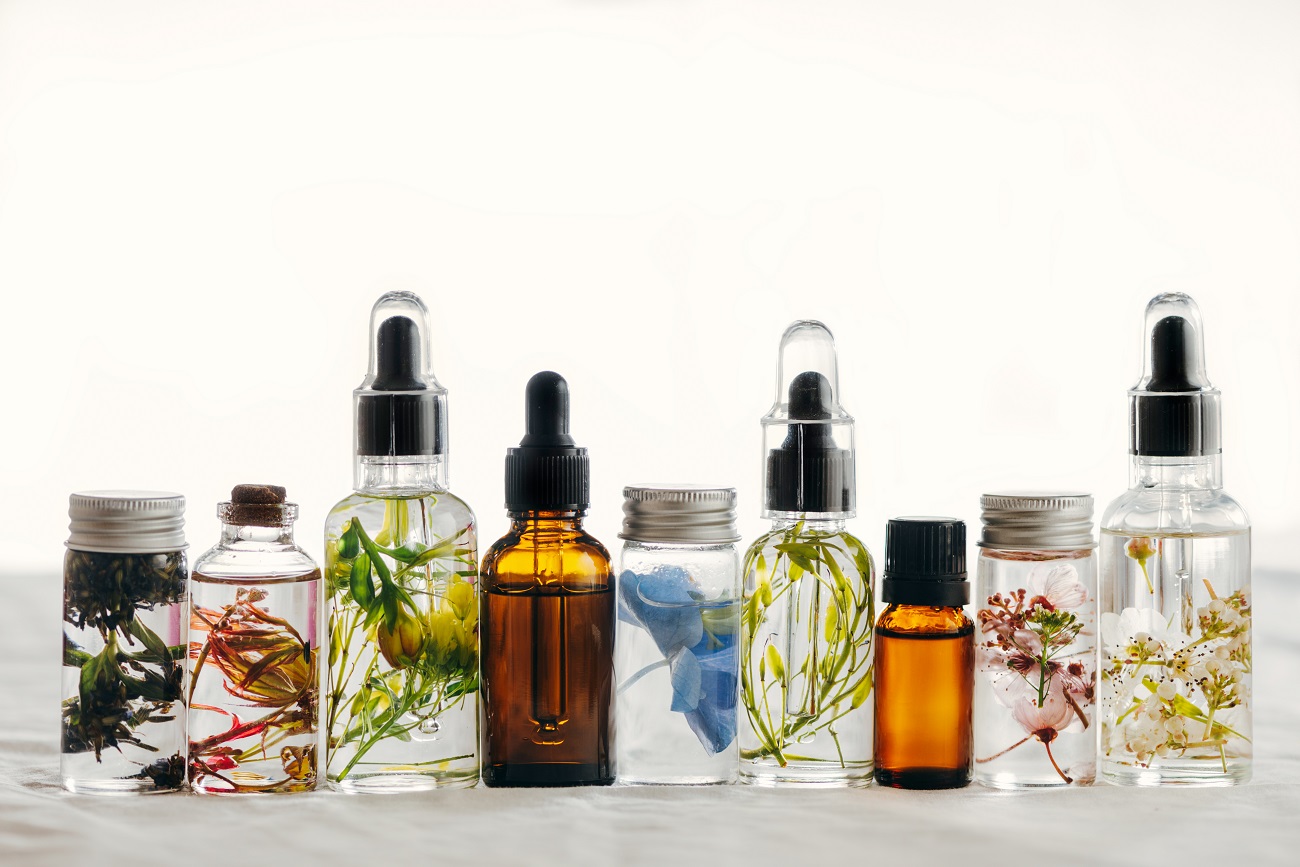
My brain is full of questions. As a perfumer, I know for sure that any tiny drop of natural rose, jasmine, or tuberose absolute that we put into a perfume formula makes the whole thing climb explosively in terms of the price of the product. It’s virtually impossible to make a perfume with natural flower absolutes and sell it for 70 euros in a 50ml bottle. So, I am confused when I see an olfactory pyramid full of absolutes, natural essences and extracts in a mainstream fragrance press release. How is that even possible? Of course, one can use a drop in 10 liters of perfume and still say it contains this and that, but what will it do to the smell profile of the fragrance? Nothing. It will transform a beautiful natural essence into just a gimmick.
________________________________________________________________________
Read Also :10 High-Protein Fruits to Add to Your Diet
________________________________________________________________________
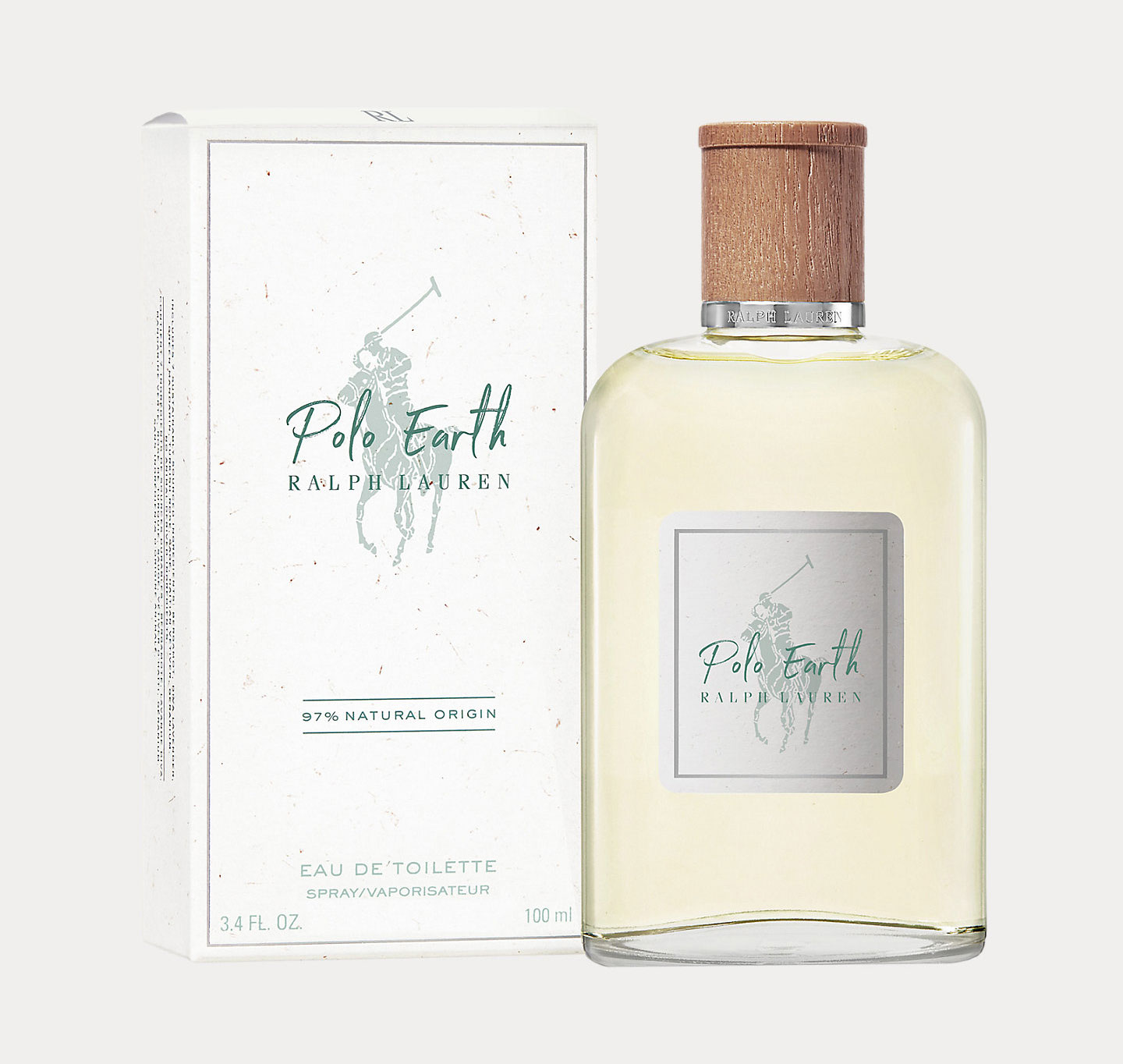
Ralph Lauren’s new scent Polo Earth is 97% made of natural-origin ingredients.
Another question I have: Does all-natural mean all-perfect? In my experience, synthetics are very much needed in order to create effects in a fragrance. Effects of transformation, of diffusing, smudging, sharpening, boosting longevity and sillage, distorting or highlighting a specific note, etc. So, what’s so wrong in the use of synthetics?
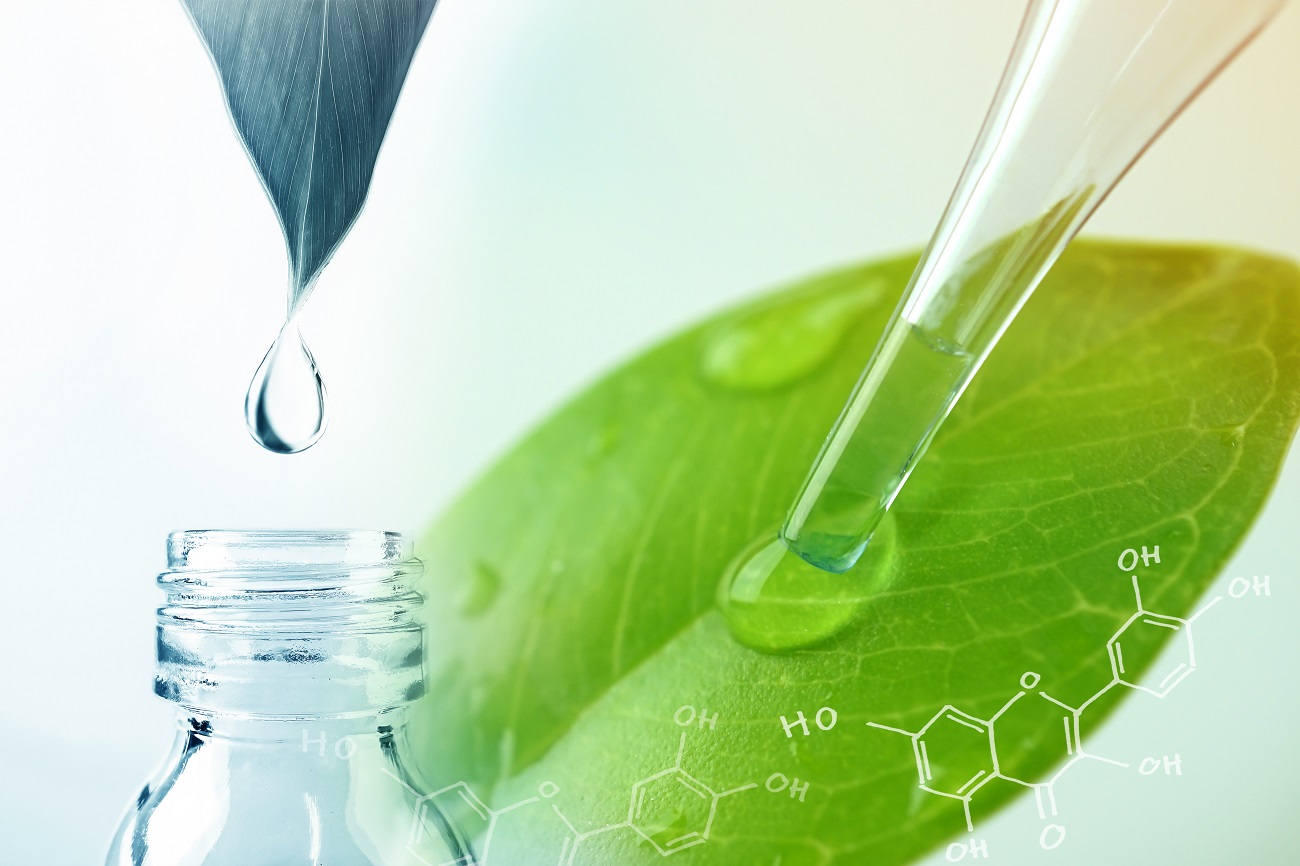
What’s more, is a totally natural fragrance the best thing we can do to the environment in this industry? As far as my perception goes, it seems to me that natural ingredients demand a whole lot of energy, natural resources and exploitation of land and sometimes people. For example, a lot of water has to be used so as to grow the botanicals, and a lot of energy – most of it polluting energy – has to be used in order to transform the botanicals into oils. I wonder what is the final balance, and how much harm are we doing?
We all remember how the perfume industry almost led to the extinction of the Mysore Sandalwood, for example. So, when I read these press releases, I just think of all the resources and energy that were required to manufacture this product. Wouldn’t it be less harmful to nature to create these fragrances in a lab with synthetics, using a much lesser amount of energy and water and without the need of cutting trees and plants?
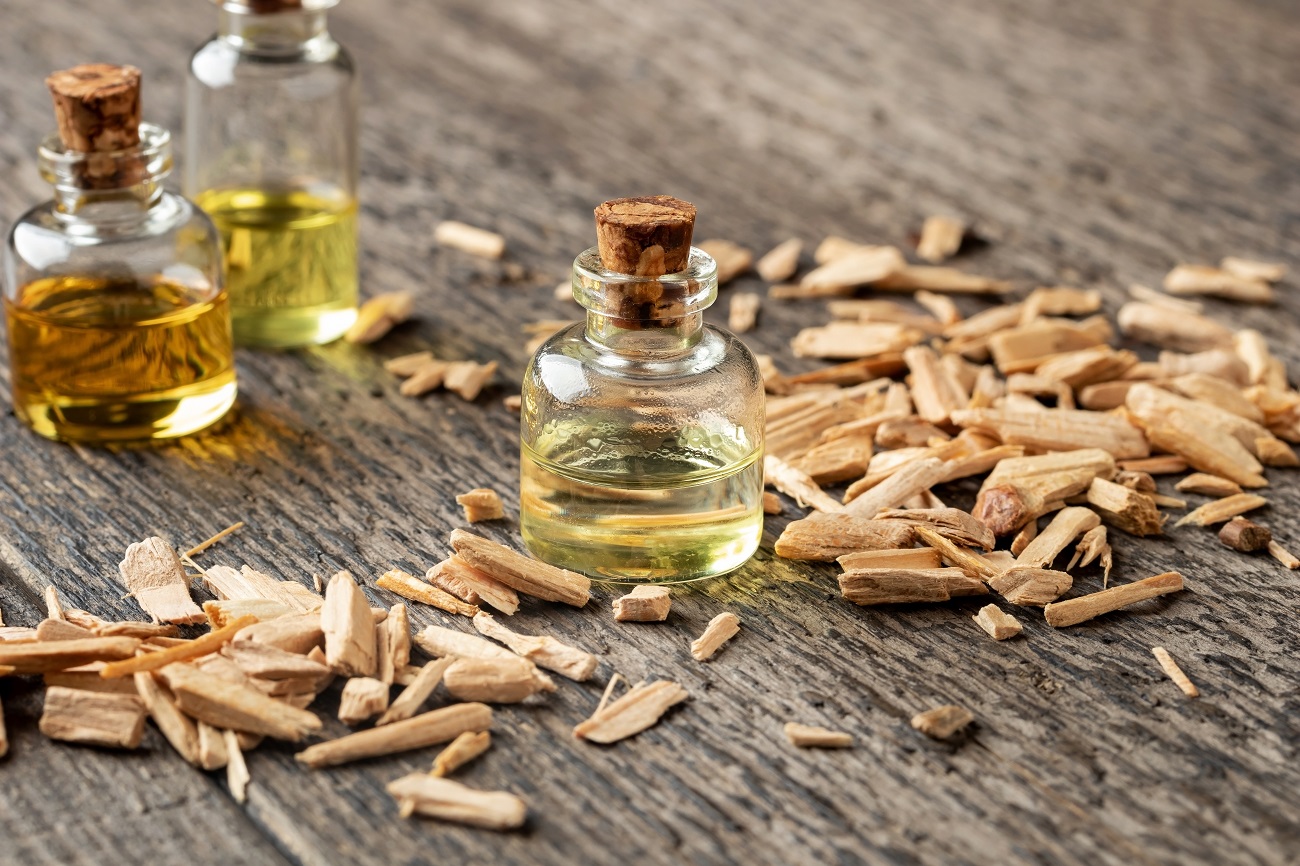 When I read about cedarwood essential oil, I think about cutting trees in order to make perfume. Is that nature-friendly?
_______________________________________________________________________
Read Also : JADE PLANT BENEFITS | ADVANTAGES OF GROWING JADE PLANT
________________________________________________________________________
I hate to bother you with more questions, and I promise I will search for answers in the near future, but I think that questions are good, and they make us think. What about a perfume that boasts it has 85% of natural ingredients? Is it really a natural fragrance? Follow my thinking here, please. If this is an eau de parfum with 15% concentration and the remaining 85% is alcohol, it’s only necessary to have natural alcohol in order to make this affirmation true. What about all the 15% of oils that make the actual perfume? They could be 100% synthetic and still it would be true to say it’s an 85% natural product. Doesn’t this sound very cynical to you? Or is it just me?
Another thing: Some molecules used in perfumery, like Iso E Super, for example, and others, are isolated from naturals, or are a result of the industrial transformation of naturals. Do you consider it a natural material, still? And isn’t it also taking something away from the environment? Let’s also consider that the majority of ingredients that are being banned and restricted from perfume formulas by IFRA are natural materials, not so much the synthetics. It seems “natural” isn’t always the healthier option when it comes to fragrance.
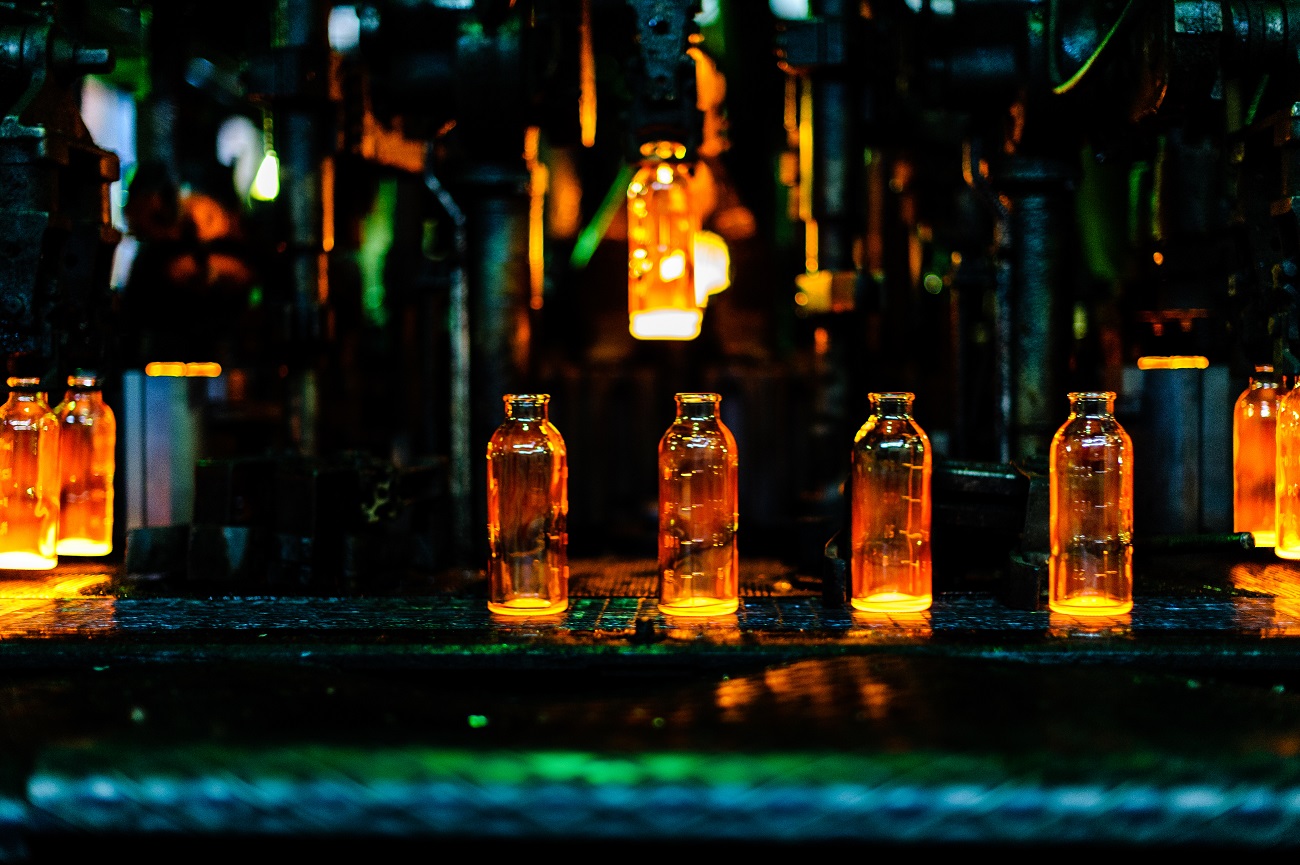
When the brands talk about packaging, it’s also very confusing to me, and here I wouldn’t even digress a lot, since it’s further from my knowledge. Yes, less plastic is always a good idea. However, most of the brands that claim they are not using plastic on the bottles still cover the whole product with a plastic film to make people think that this is what protects and ensures a legitimate item. It seems strange to me. When it’s glass, or even recycled glass, didn’t they use energy in order to transform the glass anyway? Nothing comes at zero cost and zero pollution.
Also, what good is being done to the environment by manufacturing more and more things that are not absolutely necessary? I am not saying that we should stop making perfumes. I am just saying that it doesn’t seem honest to me when they tell me a certain product is good for nature. You know what I think is good to the environment? Not making them, not producing waste, not exploiting nature, not spending water and electricity. It’s a luxury product; our survival doesn’t depend on perfume.
________________________________________________________________________
Read Also : Top 10 Fat Burning Fruits to Supercharge Your Weight Loss
I would prefer, personally, to not have all this nature-protection speech coming my way, unless it comes with a real explanation and proof of the good things that come to the planet because a certain perfume is produced this or that way. I would prefer the honesty of saying, “Hey, we know this is still polluting and consuming energy and resources, but at least we are trying to limit it, reduce it, and make it less harmful and here’s how we did it.” Stop making us think that by spraying the fragrance this way and that, nature will benefit.
Now, you may be thinking about small producers of natural perfumes. In this article, my questions are always referring to the products from giant multinational corporations, not the small, independent artisan perfumers like Dawn Spencer Hurwitz or Hiram Green, for example, who consistently work exclusively with natural ingredients. In these cases, you can REALLY smell nature inside a bottle, and the amount of perfume they produce is limited in such a way that they could never be held responsible for devastating the environment.
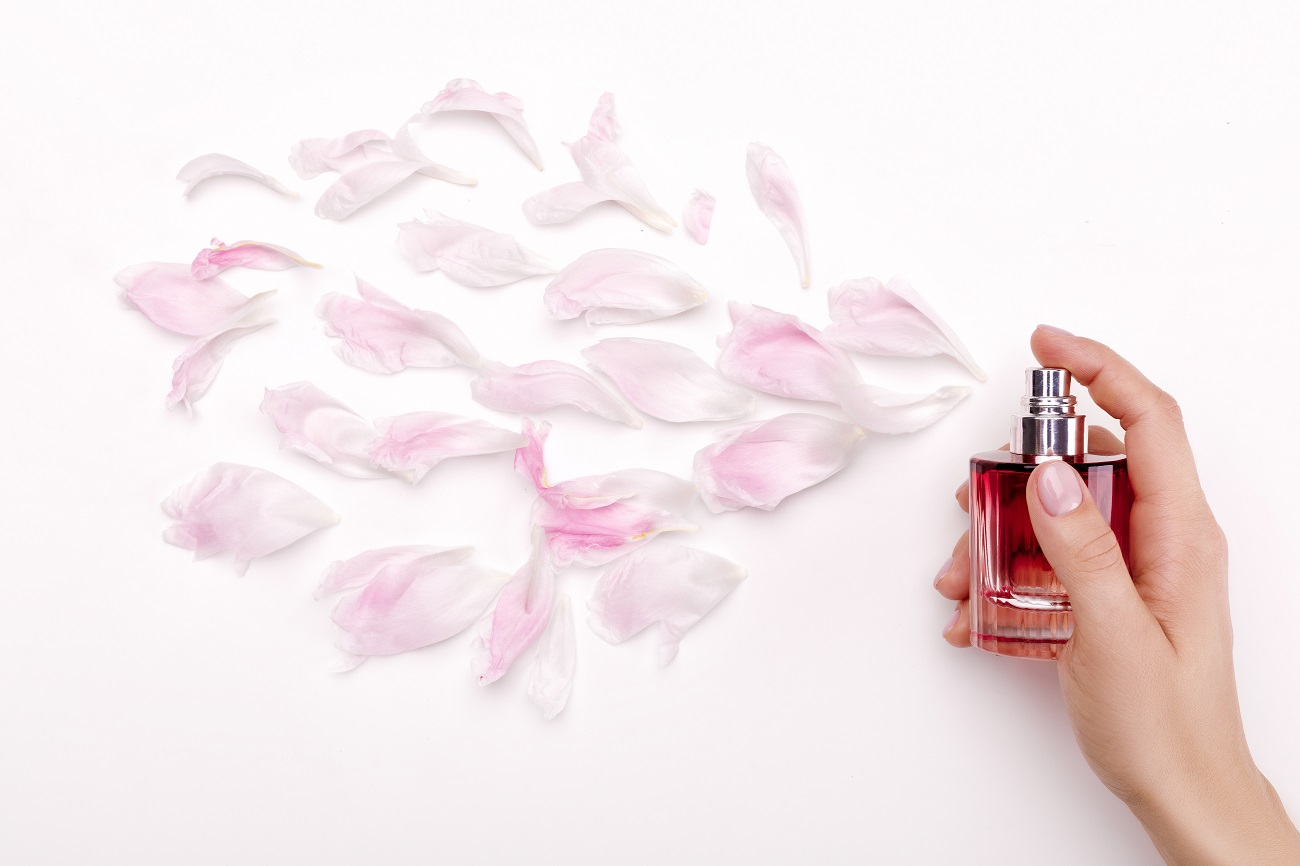
What would be the only really ecological way to act in the perfume industry? Wouldn’t it be better to just produce less and launch fewer products? To minimize the impact on the environment by slowing down the industry? To produce less product – maybe with a higher quality? To consume fewer natural resources and less energy?
These are my questions. Just questions. Maybe I am thinking wrongly, but also maybe a lot of consumers are thinking about it, too, and questions pop into their heads.
NOTE – This article was originally published in Fragrantica and can be viewed here
Tags: #environment, #fragrance, #Fragrantica, #getgreengetgrowing, #gngagritech, #greenstories, #health, #naturalingredients, #nature, #Perfume, #sandalwood, #sustainability