Protein is considered to be the building blocks of the human body. The body needs protein rich food to account for the daily wear and tear of muscles, to speed up recovery, and to gain strength.
Ideally, one’s pre and post-workout meals need to be rich in the nutrient due to its role in the quick recovery of the body.
Table of Contents
- High Protein Vegetarian Foods
- Protein Benefits
- High Protein Vegetarian Recipes
- Protein Rich Diet Plan
6 High Protein Vegetarian Foods
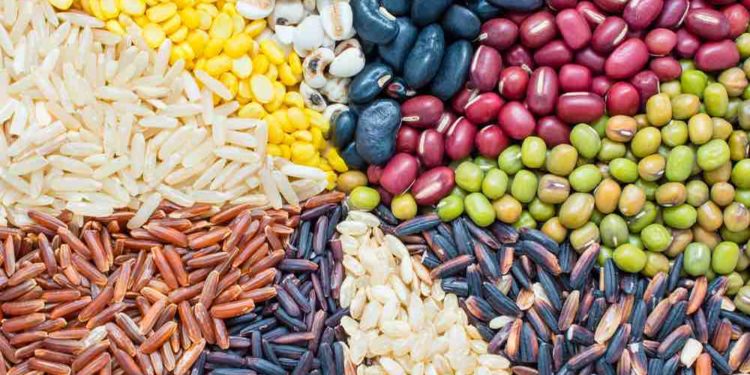
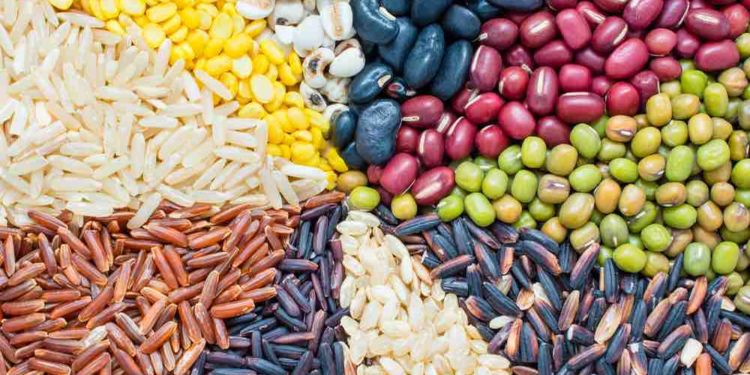
While we know that meat and eggs contain a good amount of protein, there is a common misconception that a vegetarian meal plan comes up short in this regard. That is a myth, however, as veg food can be great sources too. Although a lot of vegetarians turn to protein powder as their source of the nutrient, we have put together a list of protein rich foods for vegetarians to help one meet their daily requirement without any meat.
1. Chickpeas (Channa)
They’re high in protein and fiber, and low in calories. Snack on them boiled, toss them into salads or puree into a yummy hummus.
Protein in channa – 7.3 gm per 1/2 cup serving
2. Kidney beans (Rajma)
 Kidney beans are a chock-a-block with protein, carbohydrates and fiber. Paired with boiled or steamed rice, Rajma-Chawal is an all time favourite dish in the Indian household. Apart from being delicious, it’s a wholesome meal, which can be enjoyed in the form of a curry, as a topping in salads, in enchiladas or in the form of spicy chili.
Protein in rajma – 7.5 gm per 1/2 cup serving
3. Milk
Drink milk regularly? If you do, you’re sure to do well on your protein test. Apart from being a rich source of protein, milk is rich in calcium and ensures good bone health, strong teeth, a healthy immune system and glowing skin. Avoid full-fat versions; look for skimmed options that have been fortified with vitamin D, and make the best of the protein in milk.
Protein in milk – 8 gm per 1 cup serving
4. Cottage Cheese (Paneer)
 Paneer is to India what cheese is to the rest of the world. High in casein, a slow-digesting dairy protein, paneer also offers you a good amount of calcium, keeps you fuller for longer and helps burn more fat. Reason enough to have more? Add it to a vegetable preparation, toss it into sauteed vegetables or eat as it is, and enjoy the benefits of protein in paneer.
Protein in paneer – 14 gm per 1/2 cup serving
4. Lentils (Dal)
Indians can’t do without their dals, be it arhar, urad or moong. A part of almost every meal, lentils are an easy and inexpensive way of amping up your intake of protein, fiber and essential minerals. Serve with a side of rice or roti for a complete meal.
Protein in lentils – 9 gm per 1/2 cup serving
_______________________________________________________________________
Read Also : In Nepal, a bittersweet wildlife conservation victory has upended many local livelihoods
________________________________________________________________________
5. Green Peas (Matar)
 Not many vegetables are as rich in protein as this winter staple. You get the protein and fiber from frozen green peas too, so go ahead and stash a bag in your freezer. Make sure you pick up the bag and check how the peas have been frozen – if you can feel them, they’re good to go; if not, they have been thawed and refrozen into a big chunk. Try Matar Paneer to boost your protein intake.
Protein in matar – 7 gm per 1 cup serving
6. Mixed Seeds
Seeds add crunch and quite a bit of protein to your meals. Choose from sesame, sunflower, pumpkin or poppy seeds – as they’re all high in protein and healthy fats. Apart from salads, you can also add them to raita, cereal or homemade granola.
Protein in seeds – 5-7.3 gm per quarter cup serving
10 Protein Benefits
Due to its ability to assist the human body with quicker recovery, protein is considered an extremely important nutrient. Here are a few more reasons why you need to improve your intake of the nutrient.
1. Reduces Appetite and Hunger Levels
Among all macronutrients, protein is known to be the most filling, even if you consume less food. The macronutrient tends to reduce the ghrelin(hunger hormone) levels in the body, while boosting levels of the peptide YY, which further helps an individual feel full.
If you’re looking to lose weight, try replacing some of the carbs and fats in your diet with protein. You can simply add a few extra bites of meat while making your rice serving smaller.
2. Improves Heart Health

Higher protein intake has been shown to lower blood pressure levels. This, in turn, lowers the risk of strokes and heart attacks. In a review of 40 controlled trials, it was found that a higher intake of the nutrient lowered systolic blood pressure by a reading of 1.76 mm of Hg, and diastolic blood pressure by a reading of 1.15 mm of Hg.
In addition to lowering blood pressure, it has been found that a high protein diet can also lower LDL (or bad cholesterol) levels in the body.
3. Stronger Immune System
The body protects itself from various diseases with the help of antibodies. These antibodies are specific protein types with the ability to detect foreign elements or antigens. The body produces antibodies in order to deactivate antigens.
4. Boosts Metabolism
Eating food can temporarily boost the body’s metabolism because the body uses calories to digest and use the nutrients in the food. This is referred to as the thermic effect of food.
Since it has a much higher thermic effect than fats or carbs (20-35% as compared to 5-15%), protein intake will significantly boost the body’s metabolism. Some studies show that increased intake of the nutrient can result in 80-100 more calories being burned every day.
One study went on to suggest that a high-protein group burned 260 calories per day more than that of a low-protein group.
5. Improved Bone Strength
Contrary to popular belief, most long-term studies suggest that protein can have major benefits for bone health. Consuming higher amounts of it can help maintain bone mass a lot better, while also helping lower the risk of osteoporosis and fractures.
This specifically holds true for women, who are at higher risk of osteoporosis after menopause. Eating plenty of protein-rich foods and staying active is the best way to prevent that from happening.
6. Increases Muscle Mass and Strength
Protein is considered the building block of muscles. Consuming adequate amounts of it helps maintain muscle mass and promotes its growth while doing strength training.
If you’re physically active, or trying to gain muscle, ensure you’re consuming sufficient protein. High intake can also help prevent loss of muscle during weight loss.
7. Weight Loss Maintenance
 While a high protein diet may help an individual lose weight, the problem lies in maintaining one’s weight. Studies have shown that a modest increase in protein intake can help with weight maintenance. According to one such study, increasing the nutrient intake from 15% to 18% of your calories helped reduce weight regain by 50%.
A permanent increase in your protein intake can go a long way in helping keep off the excess weight.
8. Boosts Energy Levels
Protein also serves as a natural source of energy. Failure to consume a diet that would provide adequate energy to the body, as is the case during fasting or weight loss programmes, would cause the body to use its own functional protein to compensate.
_______________________________________________________________________
Read Also : The rich biodiversity in Delhi and Haryana’s Aravallis is in desperate need of protection
________________________________________________________________________
Since there is no extra protein in the body, enzymes and muscle break down protein in order to yield amino acids to provide energy or synthesize glucose. This would, in turn, ensure a continuous supply of glucose to the cells.
9. Skin Care
Protein provides strength to tissues that suffer from constant wear and tear, like skin. Collagen is a fibrous protein that is found in abundance, which provides the necessary strength to these skin cells.
The healthy and youthful appearance of skin, and the lack of wrinkles on it, is largely dependant on the levels of collagen present in the body.
10. Cell and Tissue Recovery
Cells and tissues must go through continuous renewal and recovery in order to maintain a perfectly healthy body. A constant supply of amino acids are a must for the formation of protein. This protein manufactures new cells and tissues, such as hair, skin, and nails.
The cells present in skin, blood, and the digestive system, begin to perish after a couple of weeks. After this, the protein begins to create and replenish new and healthy cells to replace the deceased ones.
High Protein Vegetarian Recipes
In order to help you increase your protein intake, we have put together a few recipes for you. Try these delicious dishes, and include them in your diet, to increase your daily intake of the nutrient.
Soya Matar ki Sabzi
Ingredients
- 1 tsp Cooking oil
- 2-3 Cloves
- 1 inch Cinnamon
- ¼ tsp cumin seeds
- 2 tbsp Onion chopped
- 1/2 tsp Chilli Powder
- 0.5 cup Water
- 1 bay leaf
- 1/2 tsp Salt
- 1/4 tsp Turmeric
- 1 tsp ginger garlic paste
- 1 Tomato chopped
- 1/4 cup Green peas
- 1 Green chilli
- 1 sprig Coriander leaves
- 2 tbsp Nutrela Nuggets
- Garam masala – ¼ tsp
Preparation
- Make a paste of the tomatoes and green chilli.
- Boil the soya chunks, squeeze out the water completely and keep aside.
- Boil green peas and keep them aside.
- Heat oil in a pan and add cloves, cinnamon, bay leaf and cumin seeds. Add onions and saute for a minute.
- Add ginger & garlic paste and saute well.
- Add tomato-green chilli-paste, followed by salt, turmeric, chilli powder and cook the mixture until the oil starts separating from it.
- Add the peas and soya chunks along with water. Cover and cook this mixture for around 6-8 minutes. Serve sprinkled with garam masala.
Nutrition Breakdown (100 g)
- Calories – 79.3
- Protein – 6.6 g
- Fat – 1.8 g
- Carbs – 9.4 g
- Fiber- 4.1 g
Paneer Tikka
Ingredients
- 1 tsp Lemon juice
- 0.5 tsp chili powder
- 1/2 tsp cumin powder
- 3/4 cup Curds (cow’s milk)
- 2 tsp Ginger Garlic Paste
- 1 Green Chilli, chopped
- 1 tsp Pepper powder
- 1 tsp fennel seed powder
- 1 teaspoon Turmeric
- 1/3 cup Chickpea flour (besan)
- 4 tsp Oil
- 1 tsp Salt
- 200 grams Paneer (Cow’s), cubed
- 1 tsp garam masala
Preparation
- Take curd in a bowl and whisk it well.
- Add chilli powder, cumin seed powder, ginger garlic paste, chilli, fennel seeds powder, pepper powder, besan, 1 tsp oil, and salt, and mix well.
- Marinate the paneer pieces in the curd mixture for at least an hour.
- Brush a non-stick grill pan with oil and place the paneer in it. Cook on both sides, and baste with oil if needed, till it turns brown.
- Serve hot with sliced onions, lemon and green chutney.
Nutrition Breakdown (100 g)
- Calories – 204.6
- Protein – 10.7 g
- Fat – 15 g
- Carbs – 7 g
- Fiber- 1.5 g
Grilled Tofu
Ingredients
- 1 block firm tofu, drained
- 1/4 cup lemon juice
- 1 tbsp olive oil
- 2 sprigs coriander leaves chopped
- 2 cloves minced garlic
- 1/4 tsp cayenne pepper
- 2 tsp chilli powder
- 1 tsp salt
- 1 tsp pepper powder
_______________________________________________________________________
Read Also : Implementing Artificial Intelligence in Waste Management
________________________________________________________________________
Preparation
- Slice the tofu, lengthwise, into 4 thick slabs, or cut it into cubes and thread on skewers.
- Whisk together the lime juice, olive oil, coriander leaves, garlic, chili powder, cayenne pepper, salt, and black pepper in a bowl.
- Brush the tofu with the marinade.
- Now, cover the tofu and refrigerate for about 15 minutes to an hour.
- Grill the tofu on a lightly oiled griddle until done, while brushing occasionally with the marinade for about 10 to 15 minutes.
Nutrition Breakdown (100 g)
- Calories – 94.7
- Protein – 6.8 g
- Fat – 6.8 g
- Carbs – 3.6 g
- Fiber- 0.9 g
Read Also : Explainer: Are farm bills game-changer or anti-farmer?,https://greenstories.co.in/explainer-are-farm-bills-game-changer-or-anti-farmer/
Protein Rich Diet Plan
While diet plans are meant to be balanced in nature, they can also be designed to improve the intake of a particular nutrient. This high protein diet plan will help increase the protein content in the body.
| Time | Meal |
| 6:00 AM | Lukewarm Amla Water(1 glass)
Soaked Walnut(4 piece (half of one)) |
| 6:30 AM | Banana(1 small (6″ to 6-7/8″ long)) |
| 8:30 AM | Soya Milk Unsweetened(200 ml) |
| 10:00 AM | Steamed Sprouts and Vegetables(1 bowl)
Apple Almond Chia Seeds Smoothie with low fat Milk(1 glass) |
| 12:00 PM | Coconut water(1 coconut yields)
Guava Fruit(2 fruit, with refuse) |
| 2:15 PM | Lettuce Tomato Cucumber Carrot Beetroot Salad(1 bowl) |
| 2:30 PM | Quinoa Pulao with Tofu and Spinach(1 bowl)
Mixed Vegetable Raita(1.5 katori) |
| 3:30 PM | Green Tea With Cinnamon(1 cup)
Low Fat Paneer(0.5 cup, cubes) |
| 8:15 PM | Tomato Cucumber Carrot Salad(1 katori) |
| 8:30 PM | Oats Cheela without Oil(2 piece)
Soya Matar ki Sabzi(1.5 katori) |
| 10:30 PM | Jasmine Green Tea without Sugar(1 cup) |
- Start your day with soaked walnuts and lukewarm amla water.
- Have steamed sprouts and vegetables, and Apple Almond Chia Seeds Smoothie for breakfast.
- For lunch, eat a bowl of quinoa pulao with tofu and spinach, accompanied by 1.5 katori of mixed vegetable raita.
- Two pieces of oats cheela without oil, and 1.5 katori of Soya Matar ki Sabzi should make up your dinner.
- End your day with a cup of Jasmine Green Tea without sugar.
Following this diet plan will help one go a long way in improving their protein intake. You can find a balanced, one-week diet plan here.
It is extremely important to ensure your protein consumption is maintained, and the daily requirement is met. Enjoy the nutrient’s benefits, even if you are a vegetarian, simply by eating the 7 high protein foods mentioned above. As a non-vegetarian, you can learn how to increase your protein intake while keeping your fat consumption low here.
NOTE – This article was originally published in Healthifyme and can be viewed here