Have you ever noticed in the Vegetable markets or what we commonly called Sabzi Mandi, Thousands of tonnes of veggies go unsold? Even so, instead of being disposed of in a landfill, it is converted into power, which will be used in a variety of ways. This is known as biogas. It is abundant, low-tech, and burns cleaner than fossil fuels. Here’s how
WHAT IS PYROLYSIS?
Pyro- Fire
Lysis- Separation/ breaking down of something
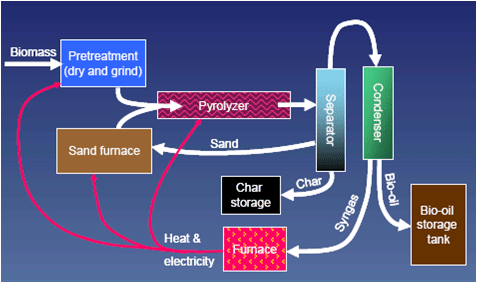
Pyrolysis, also known as thermolysis, is an irreversible thermochemical treatment process of complex solid or fluid chemical compounds at high temperatures in an oxygen-free environment, where the rate of pyrolysis is temperature-dependent and rises with temperature. During pyrolysis, the molecules are exposed to extremely high temperatures, resulting in extremely high molecular vibrations that stretch and shake the molecules to the point where they begin to break down into smaller molecules. ie. if its solid, it may go in a liquid state or occasionally in the gaseous state. This transformation depends on itself at what temperature it changes face.

Pyrolysis of biomass is classified into four types: flash, rapid, moderate, and slow pyrolysis. Under these circumstances, biomass does not burn, but its primary components, such as cellulose, hemicelluloses, and lignin, breakdown to form a solid phase known as Bio-char, a liquid phase known as tar or Bio oil, and gaseous products called Bio Fuels.
The irreversible alteration leads to generation of multiple products. Pyrolysis produces predominantly biochar at low temperature, less than 450 C. The major product is bio-oil at an intermediate temperature and a relative heating rate. Pyrolysis of organic materials such as biomass at high temperatures that is more than 430°C, decomposes the fuel source into charcoal (carbon and ash) and volatile substances. At room temperature, the latter consists of condensable vapour known as pyrolysis oil commonly called Bio Oil or Crude Oil.
Some of these compounds potentially replace traditional fuels.
Along with Biochar and Bio oil, it also liberates non-condensable gases such as Carbon monoxide, Hydrogen and Methane collectively known as Syngas or Synthesis Gas.
________________________________________________________________________
Read Also : Case study: Mandi system of Punjab v/s Bihar, amidst the ongoing protest
________________________________________________________________________
BIOCHAR
Biochar, a type of organic materials burnt, has recently gained considerable scientific relevance. Biochar is made by heating organic materials such as agricultural waste, grass, woodchips, and manure to high temperatures. Biochar is an example of Slow and Moderate Pyrolysis.

It is simply organic matter that is consumed without oxygen to generate black residuals which, when combined, can improve soil fertility.
USE OF BIO-CHAR IN AGRICULTURE
Soil Fixing
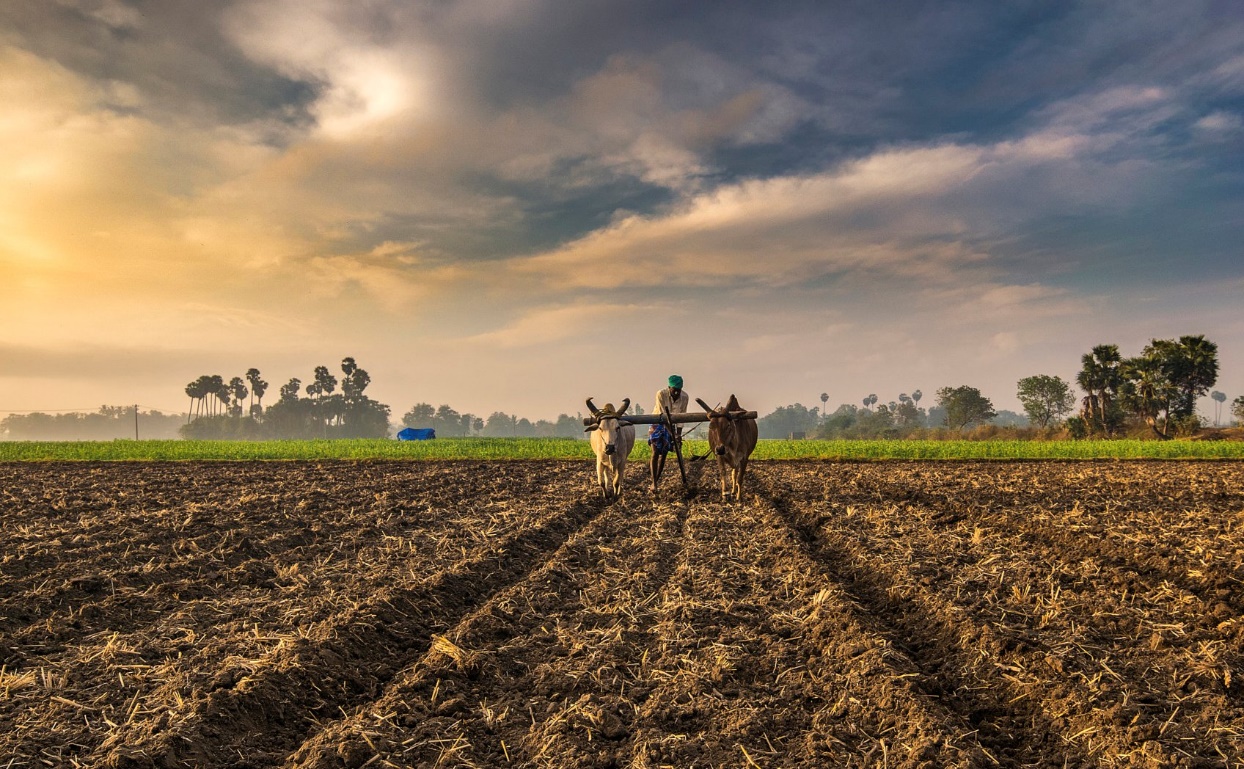
Have you noticed, when the farmers have harvested the crop, they remove the residue called Parali by burning them? It leaves the burned appearance of the field. Although its unfinished burning in the presence of oxygen, it is excellent for the soil, because it is rich in various elements and Alkai metals Sodium potassium metals and some organic characteristics are also used for water filters as they are porous
- Some biochars can improve soil fertility, water retention capacity, and agricultural yield.
BIO OIL
The elemental makeup of crude pyrolysis liquid or bio-oil is similar to that of biomass. It is made up of a very dense combination of oxygenated hydrocarbons and a significant amount of water from both the initial moisture and the reaction result.

https://www.valmet.com/more-industries/bio/bio-oil/
They have the same product distribution, but because of the rapid pyrolysis’s short residence period, the high-quality rich condensable vapours generated may be utilised to make alcohol or gasoline. Bio-oil is the primary product of flash and rapid pyrolysis that takes place at temperatures about 500 °C.
USE OF BIO OIL
By upgrading procedures, Bio oil can be turned into biofuel transport
Bioresins- Bio-oil is a mixture of water and hundreds of organic chemical compounds that can be further broken down into families of reactive structures capable of creating novel synthetic pathways for the design and synthesis of high-performance biopolymers and
BIO FUEL
Bio-oil is a dispersion of carbohydrate and lignin-derived water and organic molecules in biomass. These organic molecules are mostly alcohols, aldehydes, carboxylic acids, esters, furans, pyranes, ketones, monosaccharides and lignin anhydrous compounds.
They can become fossil fuel alternatives for heating, power generating and transportation via additional processing.
________________________________________________________________________
Read Also : From Green Revolution to Millet Revolution
_______________________________________________________________________
MAJOR ADVANTAGES OF PYROLYSIS
Decarbonisation
The biomass takes CO2 from the atmosphere during its growth via photosynthesis, which is the underlying concept of Pyrolysis. This biomass is subsequently collected and pyrolyzed, with a part of the carbon dioxide contained in the biomass being trapped in the ground after being reduced to carbon and viscous molecules (charcoal). The flammable gas mixture, which is the lightest portion in pyrolysis, is collected and utilised as fuel; the carbon dioxide generated when combusting it is usually caught, locked and reduced from emission.
Energy recovery–
The byproducts of Pyrolysis serve as potential substitute for many renewable energies such as thermal energy is used for heating, hot water, electricity, chilling or salination, steam.
Circularity
This process promotes Promoting reuse, repair and recycling of materials such as biodegradables, plastic which makes it a popular choice for an economy so circular in nature
Tags: #agriculturalwaste, #biochare, #biomass, #carbon, #charcoal, #chemical, #fertilzer, #getgreengetgrowing, #gngagritech, #grass, #greenstories, #organic materials, #pyrolysis, #soil, #woodchips