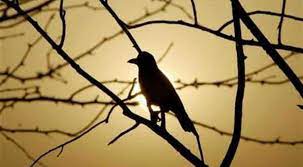
Rangers in Australia have uncovered a rare clue about one of the world’s most elusive and endangered birds, offering new hope for its survival.

In a breakthrough for conservation, a team of Indigenous Protected Area (IPA) rangers in Australia has uncovered a crucial clue about one of the world’s most mysterious and endangered birds. The discovery, made in a remote region of the Australian outback, is being hailed as a significant step toward understanding and protecting a species that was once thought extinct.
According to a report by ABC Kimberley, the find has fueled optimism among conservationists, who say it could provide key insights into the bird’s breeding habits and long-term survival prospects. This species, once believed to have disappeared for nearly a century, was only officially rediscovered in 2013, and sightings remain extremely rare.
_______________________________________________________________________
Read Also : As floods hit western Europe, scientists say climate change hikes heavy rain
________________________________________________________________________
A Species Lost and Found
For more than a hundred years, this elusive bird was presumed extinct, with only a handful of unverified sightings keeping its legend alive. Its sudden rediscovery in 2013 stunned the scientific community and ignited a race to learn more about its behavior, habitat, and chances of survival.
Since then, researchers and rangers have been working to track its movements, but its nocturnal and secretive nature has made it exceptionally difficult to study. The latest find could be a major breakthrough, offering scientists new ways to protect and possibly increase its fragile population.
Night parrot researcher Nick Leseberg emphasized just how important this discovery is for the species’ conservation.
“It’s a critical part of their recovery,” he explained, stressing the need to better understand how these birds breed if conservation efforts are to succeed.
________________________________________________________________________
Read Also : Extreme weather sparks snow IN EGYPT and blizzards in Greece -‘Crazy winter’ engulfs globe
________________________________________________________________________

Threats and the Fight for Survival
Like many endangered species in Australia, this bird has suffered due to human activity and environmental changes. Colonization, habitat destruction, and the introduction of invasive species like feral cats and foxes have severely impacted its numbers.
These non-native predators thrive in the Australian outback, where they compete for food and target vulnerable native species. Without natural predators to keep their numbers in check, invasive species have disrupted ecosystems, making survival even more challenging for species already on the brink.
Conservationists stress that protecting native species is critical to maintaining the delicate balance of Australia’s ecosystems. Abby Jackson, an environmental researcher, explains that damage to one species can have ripple effects throughout the ecosystem.
“Ecosystems are delicately balanced—when one plant or animal is harmed, it can endanger the rest of the environment.”
________________________________________________________________________
Read Also : The new weather normal in the US: Hotter than it used to be, thanks…
________________________________________________________________________
Why This Discovery Could Change Everything
The newly uncovered clue provides a rare glimpse into the species’ breeding habits, which remain largely unknown. Leseberg and his team believe that by studying this evidence, they can determine where the birds are nesting and how environmental conditions affect their reproductive success. Protecting these sites is a priority, as their fragile population remains vulnerable to habitat destruction.
IPA coordinator Christy Davies described the moment of discovery as deeply emotional, reinforcing the significance of community-driven conservation efforts in protecting the species. Indigenous rangers have played a key role in monitoring these birds, working alongside researchers to ensure their long-term survival.
NOTE – This article was originally published in indiandefencereview and can be viewed here