https://krishijagran.com/agripedia/what-is-regenerative-agriculture/
Agriculture is now one of the most significant CO2 emitters. Agriculture accounts for a third of all human-caused greenhouse gas emissions when coupled with forests. However, regenerative agriculture is one option we have to start reversing that trend.
Regenerative agriculture, as opposed to traditional farming, takes a wider approach to agriculture. It focuses on restoring organic life to the soil and increasing soil quality. Low soil quality is reducing the quantity of arable topsoil available on farms all over the world.
________________________________________________________________________
Read Also : Teeth from Siberian mammoths yield oldest DNA ever recovered
________________________________________________________________________
Tilling, carbon mining, and the use of salt-based fertilisers and other chemicals in traditional agricultural techniques can cause runoff and soil erosion, depleting the land’s resources.
Regenerative agriculture may assist farmers improve their soil quality as well as generate carbon sinks in the soil to help eliminate extra atmospheric carbon, which leads to climate change.
When carbon farm is the key aim, this subset of regenerative agribusiness could be referred to as carbon farming.
There are a variety of farming and grazing strategies that fall under the category of regenerative agriculture, which we’ll go into later in this article. However, the core concept is that farmers may use plant photosynthesis to boost nutrient density and improve soil health by increasing organic matter, making crops more robust, and contributing to the carbon cycle. However, the core premise is that farmers may use plant photosynthesis to boost nutrient density and improve soil health by adding organic matter, so making crops more robust.
If a practice complies with the following criteria, it is termed regenerative agriculture:
- Increases an ecosystem’s hardiness and biodiversity;
- Improves water retention and percolation, as well as the safety and cleanliness of water discharge;
- Improves the health and condition of the soil;
- Not only does it assist to protect the environment, but it also helps to reverse or balance the carbon emissions caused by typical agricultural techniques.
- Instead of isolated pieces, works with entire systems
________________________________________________________________________
Read Also : SHOULD WE CONSERVE HYBRIDS?
________________________________________________________________________
Long story short, Regenerative agriculture is a food and agricultural system conservation and restoration method. It focuses on boosting topsoil regeneration, promoting biodiversity, enhancing the water cycle, expanding ecosystem services, supporting biosequestration, increasing climate change resistance, and strengthening agricultural soil health and vitality. Regenerative agriculture is a broad term that encompasses a variety of practises. Regenerative agriculture advocates, on the other hand, combine a range of different sustainable agriculture practises. Recycling as much agricultural garbage as feasible is one of the practises, as is adding composted material from outside the farm.
BENEFITS OF REGENERATIVE AGRICULTURE
https://www.greenamerica.org/what-regenerative-agriculture
There are several advantages to regenerative agriculture, thus there are many compelling reasons for farmers to make the move if they haven’t already.
Here are a few compelling reasons to make the leap from conventional to regenerative agriculture.
Healthy Soil:
https://www.maximumyield.com/the-importance-of-good-soil-health/2/17848
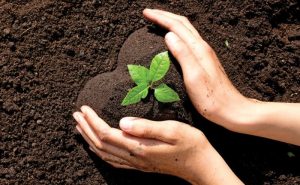
Soil is an important resource that is often overlooked. In some form or another, the great majority of the food we eat originates from the land. Whether it’s crops grown for human consumption or plants that are fed to cattle and subsequently consumed. With the exception of seafood, this encompasses almost everything you consume. All terrestrial species, including humans, rely on soil as part of their food chain.
By adding organic matter to the soil, regenerative agriculture helps to develop drought-resistant soil and boosts the land’s holding capacity.
Higher Yields:
Regenerative farms provide higher yields than traditional farms in the face of climate change and harsh weather. On less than a fifth of all accessible acreage, small farms are already feeding the globe.
________________________________________________________________________
Read Also : Not So Fast: Why India’s Plan to Reintroduce Cheetahs May Run Into Problems
________________________________________________________________________
It appears to be a no-brainer if you can generate the same quantity of food and earnings while doing so in a more sustainable manner.
Assists in the battle against climate change:
While present efforts to decrease greenhouse gas emissions are a good start, they may not be enough to halt anticipated world temperature rises. Instead, we must begin trapping carbon from the atmosphere and reintroducing it into the Earth’s system. That manner, rather than simply limiting the damage caused by climate change, we will be assisting in its reversal.
Climate change might appear to be a distant issue that isn’t a top priority.
But the fact is that, unless we make a change, farming will cease to exist in many places of the globe where it is currently practised.
Helps Local Economies:
Regenerative agriculture allows smaller local farms to contribute to a community’s economic growth. People cherish the ability to purchase organic, sustainable food that benefits rather than harms the environment. Regenerative agriculture can also aid in the understanding and preservation of some indigenous agricultural systems that would otherwise be phased out in favour of more conventional farming methods.
Smaller family-run farms find it difficult to compete with large industrial farms. Regenerative agriculture, on the other hand, offers a chance to level the playing field. Regenerative agriculture allows underdeveloped countries and communities to become self-sufficient without relying on outside help or support.
More nutrient-dense food:
Regenerative agriculture contributes to the production of the highest-quality food for your family and community. But why is this necessary? A growing number of individuals are realising that a tomato isn’t simply a tomato, regardless of where it’s grown. The nutritional profile of a crop is heavily influenced by how it is cultivated. As more people become aware of this, they are paying greater attention to where their food originates from and moving to foods that are higher in vitamins and trace minerals than traditional produce.
All while lowering the demand for costly and sometimes hazardous chemical inputs.
Tags: #agriculture, #climate, #Climate change, #crop, #earth, #farming, #farms, #food, #getgreengetgrowing, #gngagritech, #greenstories, #nutritional, #plants, #soil