_______________________________________________________________________
Read Also : What to know about the vegetarian diet
________________________________________________________________________
After graduating from Hong Kong University in 2019, the pair began working on an open-bow robot vessel designed to remove floating plastic trash from local waterways. A basic aluminum prototype was followed by a fiberglass version and by June of last year, the startup started working on a much slicker design thanks to a partnership with gaming hardware brand Razer.
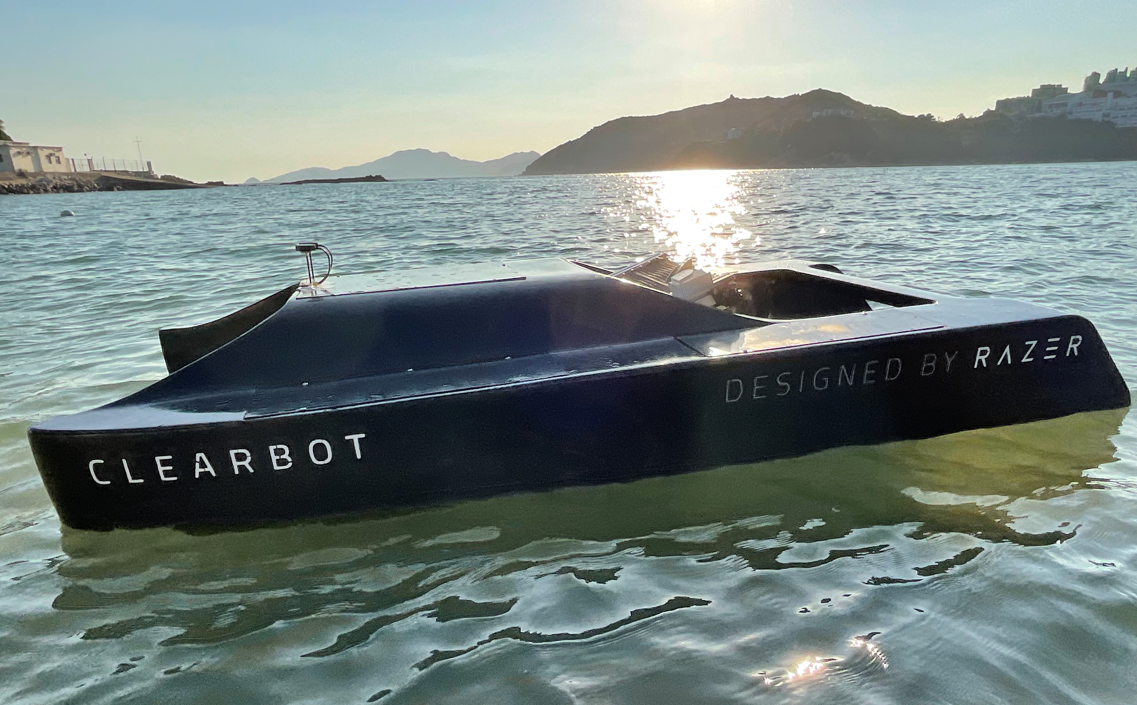
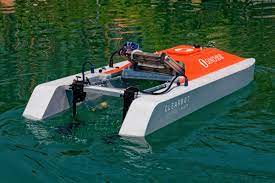
The robotic marine garbage collector is 3 m (9.8 ft) in length and 1.3 m (4.2 ft) wide, and can be remotely controlled or operated autonomously – where it moves up and down a predefined area like a floating Roomba courtesy of an electric propulsion system with a four-hour battery and LiDAR obstacle avoidance. The battery pack can also be recharged via an optional solar docking station to further reduce the impact on the environment.
_______________________________________________________________________
Read Also : 6 Excellent Sources Of Vegetarian Protein For Your Daily Diet
________________________________________________________________________
Either way, the Clearbot scoops up floating debris and feeds it to an onboard conveyor belt and onto a holding bin at the stern with a collection capacity of 200 kg (~440 lb).
An AI camera system is used for trash identification, and to snap a photograph of each piece of plastic waste that makes its way onto the conveyor. These images are tagged with a GPS location and saved to the company’s database hosted on Microsoft’s Azure platform for subsequent analysis.
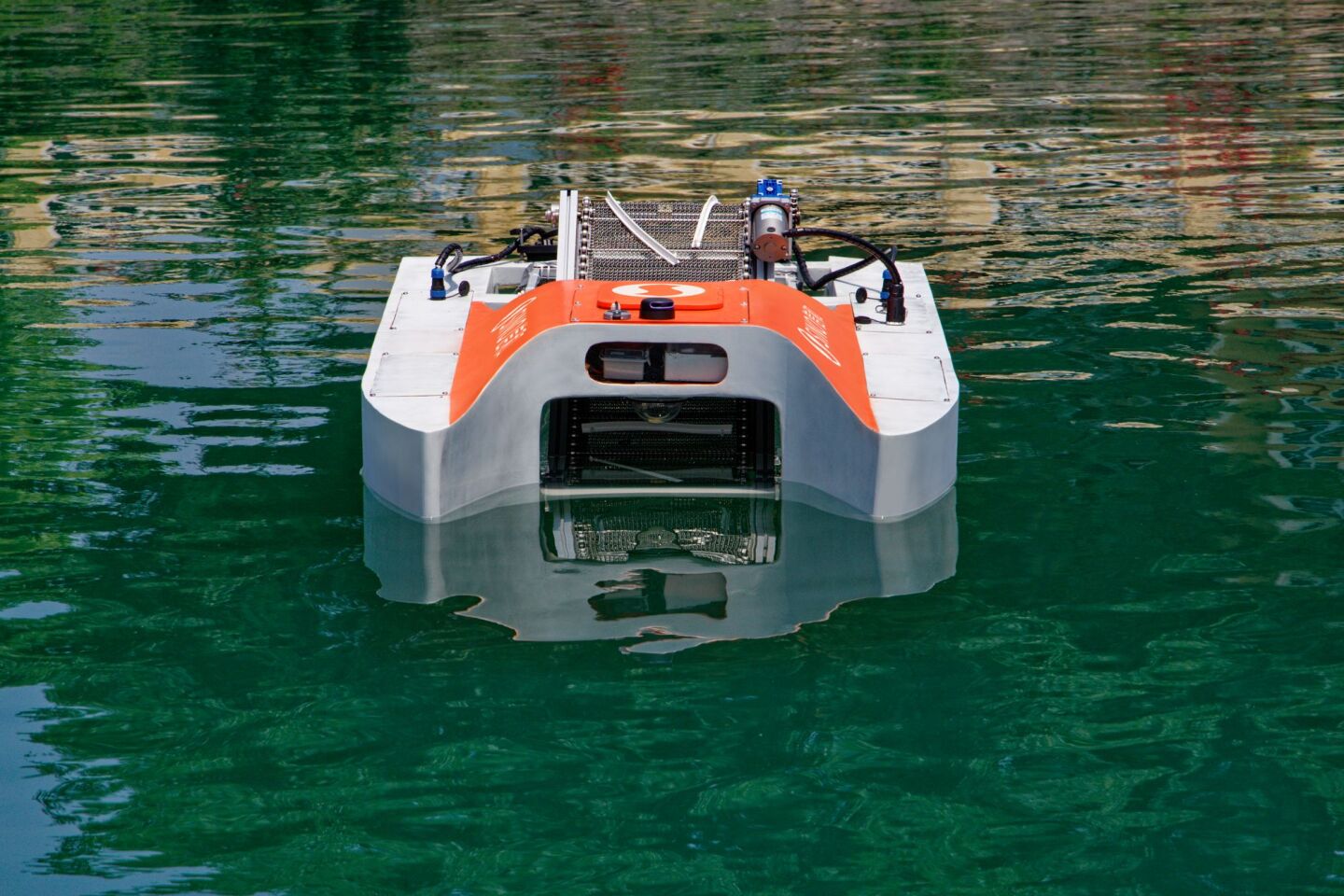
Open Ocean Engineering reckons that each Clearbot has the potential to haul in a metric ton of waste per day, and could even help contain oil spills when fitted out with a bespoke boom.
Data gathered so far in Hong Kong cleanup operations – including location, size, waste type and weight of scooped-up waste – has revealed that less than half of the marine plastic recovered can go on to be recycled, but such information could help marine authorities to stem the tide of plastic pollution at its source.
_______________________________________________________________________
Read Also : VEGETARIAN KETO DIET PLAN FOR INDIANS – LOSE 15 KGS IN A MONTH
________________________________________________________________________
“We’re finding out how the trash ends up in the water in the first place,” said Sidhant Gupta in a press statement. “It adds a lot of transparency to the process of marine clean-up. We generate data about what’s actually in the water, what’s the make-up of the stuff that’s there, how much of it is recyclable and what materials we should be focusing on.”
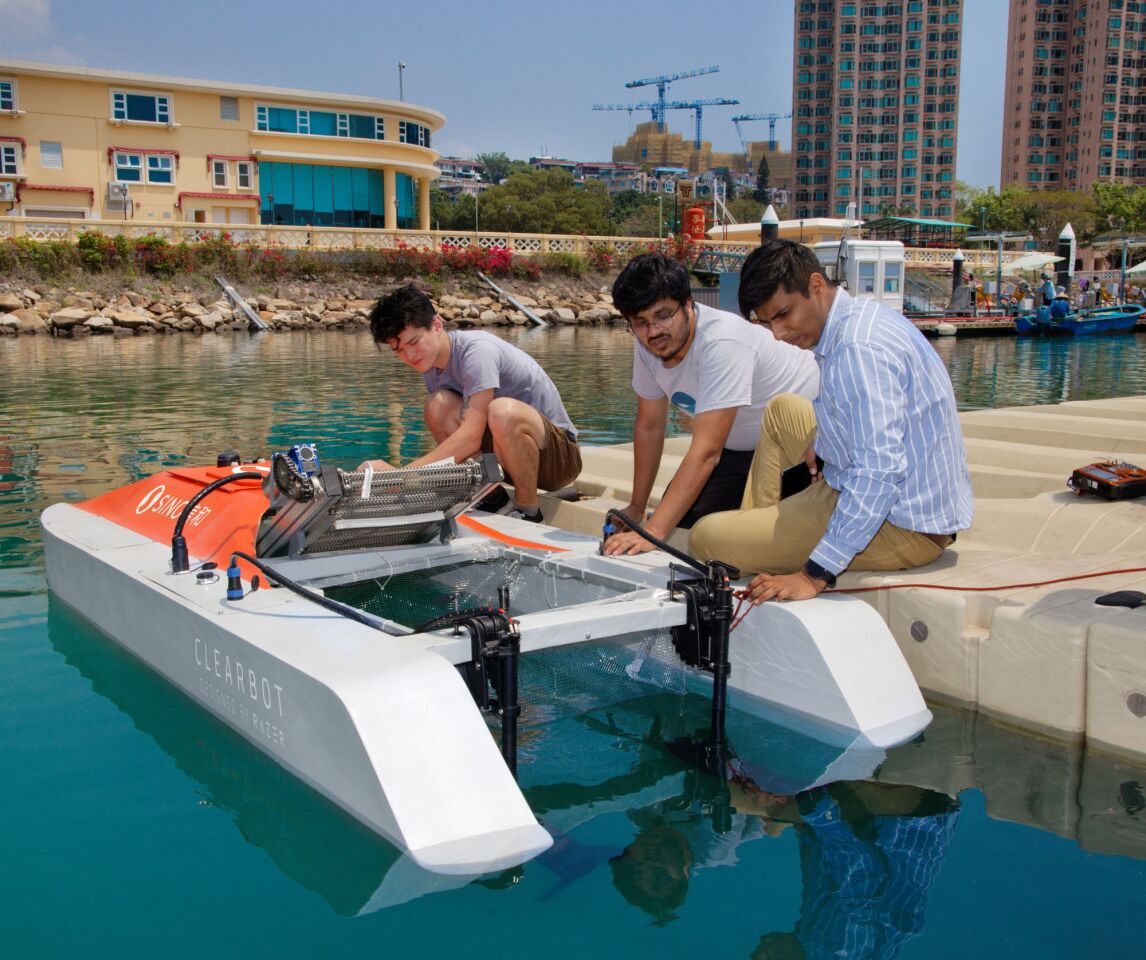
Recently, the latest Clearbot vessel has been trialed by the Rotary Club of Hong Kong and began operation keeping a local yacht marina clear of floating waste for a property company called the Sino Group, while also serving as a real-world test-bed for the project.
Open Ocean Engineering is now looking to expand operations beyond Hong Kong, and has already had interest from several companies abroad.
NOTE – This article was originally published in Newatlas and can be viewed here
Tags: #AUTONOMOUS, #environment, #getgreengetgrowing, #gngagritech, #greenstories, #hongkong, #marine, #OCEANPLASTICS, #plasticwaste, #Pollution, #robot, #trash, #waste, #water