
https://www.thespruce.com/spider-plants-chlorophytum-definition-1902773
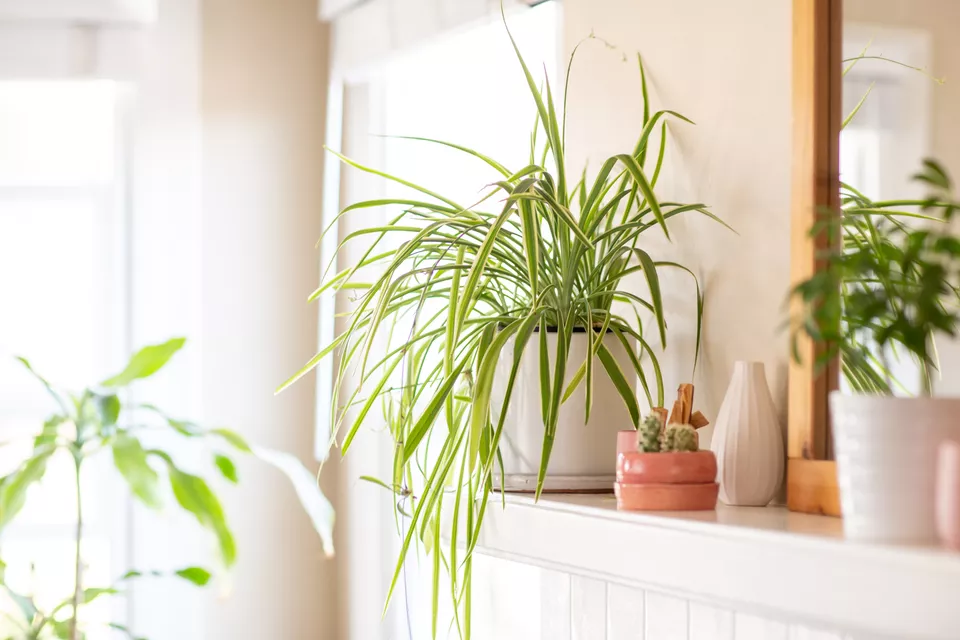
Spider plant is easily the #1 choice for easiest houseplants to grow, even for beginners. In addition, it’s one of the most fascinating one. Plantlets can be rooted and detached from the parent plant. It’s easy to develop new plants from old ones thanks to spider plant. Long, thin leaves develop in rosettes that drape over the edge of the container.
It is known as Spider Plant because to the spider-like appearance of its leaves, which dangle from the mother plant.
The spider plant is one of those houseplants that can practically develop on their own. Even if it is ignored for days, overwatered, or underwatered, it will flourish. This Plant does well in low light and partial sunshine, but it’s best to keep it in a bright indirect light environment.
________________________________________________________________________
Read Also : Air Purifying Plants – Natural Alternate to Expensive Air Purifiers
Spider plants (Chlorophytum comosum) are among the most popular houseplants to maintain, despite their goofy nickname.
One of the most common misconceptions is that it is harmful to cats and dogs, which is simply untrue. The spider plant is considered non-toxic to cats, dogs or any kind of pet.
Nonetheless, spider plant produces mild hallucinatory effects on cats, similar to catnip. As a result, most cats are drawn to the spider plant leaves.
Take a note that Pets should be kept away from this plant, and the leaves should never be fed to them, since this might represent a health concern. The spider plant contains chemical components that are thought to be linked to opium and may cause upset stomach, vomiting, or diarrhoea in the pet.
Benefits of Spider-Plant
- The spider plant is one of the simplest air-purifying plants to have. Air pollutants such as carbon monoxide, formaldehyde, xylene, and toluene are effectively removed. However, in order to reap any benefits, a huge number of spider plants would be needed in order to gain any benefits in the house.
- Other than its purifying properties, it’s a plant that will add instant beauty to your space and can be best placed at your desk.
Spider-Plant care
- Plant it in bright to moderate light in a warm enough environment.
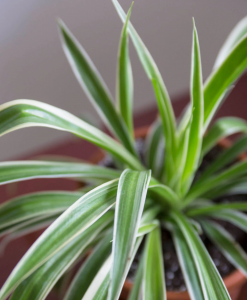
- Keep the soil wet but not soggy. In the spring and summer, once-week watering is adequate.
_______________________________________________________________________
Read Also : JADE PLANT BENEFITS | ADVANTAGES OF GROWING JADE PLANT
________________________________________________________________________
Brown leaves on your spider plant may indicate that you are overwatering or underwatering. Allowing the soil to dry out for an extended period of time is not recommended, but neither is allowing the roots to get soggy.
- In the winter, let the soil to dry out a little more between watering sessions.
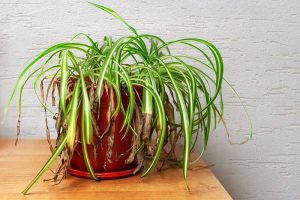
Spider Plant Tips turning Brown
https://gardenerspath.com/plants/houseplants/revive-wilting-spider-plant/
COMMON CAUSES
The browning of a spider plant is usually caused by overfertilization or excess minerals in the water, although there are exceptions. The easiest approach to minimise and avoid brown tips is to flush the soil with distilled water or rain water.
Normal irrigation water, according to most research, comprises between 1.0 to 10 milliequivalents (me/l) of chlorides and fluorides. Your plants will not be harmed by this range.
However, when this quantity surpasses 10 me/l, the issue emerges. Fluorides can build up in your spider plant’s water over time, causing it to become brown.
Reddish brown tips are the quickest and most reliable technique to identify high fluoride buildup. Boron can also be a problem, as it causes the leaves to become grey. Boron’s normal range should be between 0.7 and 3.0 me/l – anything beyond that will impair your plant’s growth and health.
These chemicals are responsible for the brown tips on spider plants, although fertilizers used in excess can also contribute to the issue.
Blaze from the sun
Indirect sunlight is ideal for shade-loving plants like spider plants. Too much sun exposure, though, might cause your plant’s leaves to turn brown.
Most publications on the internet do not address the topic of why the brown spots that come from sunburn only develop at the tips of the hair?
I’ll give you an example.
Our knowledge of spider plants tells us that their leaves have a blade-like form. After a lengthy hot day, condensation forms on the leaf tips as a result of these factors.
Once exposed to bright sunshine, these small water droplets are heated up and burn the ends of your plants like a magnifier.
Watering
Watering is arguably the most problematic cultural behaviour when it comes to caring for plants. Most of all when overdone.
As a result of overwatering, the soil becomes saturated, creating the perfect habitat for diseases such as root rots to flourish. When this happens, the tips of your plant’s leaves will turn brown, giving you an indication that something is wrong.
Spider plant leaves dry up when they are submerged in water, reducing the amount of water and food that can be transported.
SOLUTION TO SPIDER PLANT TIPS TURNING BROWN
To begin, try the easiest and most common remedy, and if nothing changes, go on to more sophisticated ones
_______________________________________________________________________
Read Also : Gardening 101: Jade Plant
________________________________________________________________________
Tip 1
One gallon of water per quart of container size should be used to flush the spider plant’s soil. Pour part of the water onto the soil gently, and then let the excess water drain outdoors or in a sink. After a few minutes, add more. Repeat this process until all of the extra water has been drained.
Tip 2
Use distilled or rainwater to water the spider plant on a daily basis Make sure the soil is wet , you can use your finger for the same purpose . if it doesn’t, water it until it drips out the pot’s bottom. Pour away any remaining water in the tray or saucer so the plant does not sit in it.
Tip 3
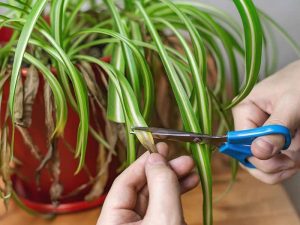
Trim the brown tips with sharp, disinfected trimming scissors. Cut the leaves at an angle to retain the pointed tip form. This can assist to prevent the spread of bacterial leaf blight to unaffected parts of the plant.
Tip 4
Fertilize your spider plant once every two or three months throughout the growth season
Use full houseplant fertiliser combined with 1 gallon of water to substitute one watering, applying the same quantity you would typically use to water the plant.
Tip 4
To prevent root rot, only use pots with drainage holes at the bottom.
Tags: #environment, #garden, #getgreengetgrowing, #gngagritech, #greenery, #greenstories, #health, #plant, #spiderplant, #urban, #Vomiting






I really like your writing style, fantastic info , appreciate it for posting : D.