
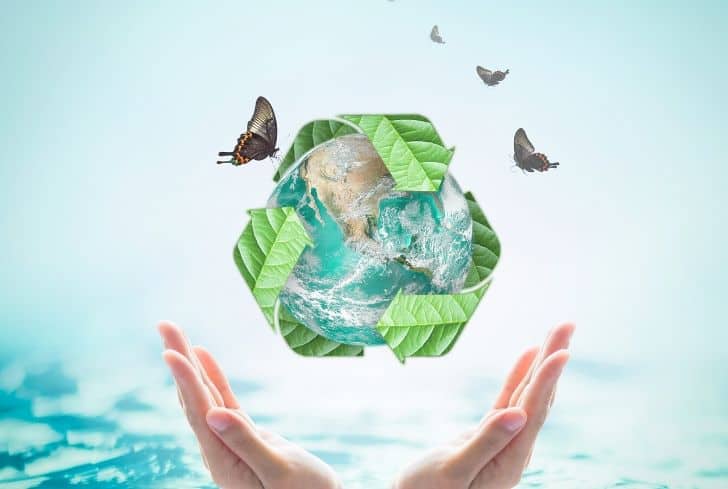
“Buy less, Choose well, Make it last”

https://www.conserve-energy-future.com/15-ideas-for-sustainable-living.php
These past twelve months have demonstrated that we are all interconnected — and that we must all take larger strides toward a more sustainable way of life that is in harmony with all living things on the earth.(SUSTAINABLE LIVING)
People are beginning to understand the importance of being more sustainable in order to safeguard the Earth for future generations. From the food you eat to the automobile you drive, everything you do in your daily life has an influence on the world. This isn’t to say you should start eating solely vegetables and riding your bike everywhere. However, you might try eating less meat and only driving when absolutely essential.
Small modifications like these can go a long way toward reducing your environmental effect.
_______________________________________________________________________
Read Also :TOP 7 WAYS TO MAKE A LARGE IMPACT WITH SUSTAINABLE LIVING
________________________________________________________________________
The destination is crucial for us all to strive towards, but the journey – no matter how slow or quick – is what matters.
Since we are on the subject, let me ask you one thing, what according to you is sustainable lifestyle?
SUSTAINABLE LIFESTYLE
Sustainable living is described as a style of life that strives to reduce an individual’s or society’s use of the Earth’s natural resources as well as one’s own. It’s also referred to as “earth harmony living” or “net zero living.” Its followers frequently try to decrease their ecological footprint (including their carbon footprint) by changing their modes of transportation, energy usage, and/or nutrition. Its supporters strive to live lives that are sustainable, naturally balanced, and mindful of humanity’s symbiotic relationship with the Earth’s natural ecology.
The ultimate objective is to reduce own carbon footprint and live in a way that really cares for the earth, the people who live on it, and oneself.
To combat climate change, clean up our streams and landscapes, and prevent the next pandemic, we must all become more sustainable and collaborate to reduce our collective effect on the world. If you’re just getting started on your sustainability path, the initial few steps might be daunting – they were for us as well. We were overwhelmed by the amount of information and worried that it would take up all of our time, be too expensive, or compel us to give up almost everything.
_______________________________________________________________________
Read Also :Sustainable Living: 16 Herbs That An Amateur Green Thumb Can Easily Grow
________________________________________________________________________
Methods to lead a Sustainable Lifestyle
Here are a few quick and easy suggestions or Quick fixes to help you live a more sustainable lifestyle. Adopting even a handful of these modest adjustments will put you on the road to a greener lifestyle that is better for you, the planet, and everything on it. You could even discover that you’re currently performing some of them!
Choose reusable alternatives

All of us are up to fast comfort, we even do not ask ourselves to stop at the shops on the way home for supper to take anything (pre-sliced, plastic-wrapped). Only if you think about where that packing ends up can there be an issue. It starts to dawn.
Examine your present daily routines, such as how you buy and dispose of everything from food to clothes or furniture, and consider whether such behaviors may be changed over time. Could you walk or ride your bike to work instead of driving? Should you buy less plastic? Reduce the length of your shower? Rather of a large supermarket, why not shop at a bulk grocer?
The first step toward a more sustainable lifestyle is to shift your mentality from one of “consume first” to one of “consume mindfully.”
_______________________________________________________________________
Read Also : Co-Living with Nature Is Needed for Our Sustainable Future
________________________________________________________________________
Go paperless

https://www.elock.com/go-paperless-go-green.php
Single-use items, particularly those made of plastic, frequently wind up in landfills and the ocean, posing a threat to animals and the environment. Choose reusable and ecologically responsible alternatives to avoid this.
This excessive use of paper has a significant impact on the carbon footprint — not just from the logging of trees to create the paper, but also from the fossil fuel electricity needed for printing and the chemicals involved.
This increased usage has a significant impact on trees. Rapid deforestation, much of it for the production of paper products, is a major source of concern for our environment. Trees serve an important function in absorbing CO2 from the atmosphere and generating oxygen to sustain life on Earth. You can help maintain the lives of trees by decreasing or eliminating your usage of paper.
- To save paper, select to receive letters through email and only print documents when absolutely necessary. You may also request that stores send you your receipt through email rather of printing it.
Grow your own fruits and vegetables.

https://www.foodnetwork.com/how-to/articles/easiest-vegetables-to-grow-at-home
Homegrown veggies are produced in soil rather than hydroponics or other unnatural growth media. Homegrown tomatoes taste better because of the soil’s balanced combination of vitamins and minerals.
It is quite difficult to avoid pesticides and other biocides used to cultivate our food in today’s world since all people care about is money and not the quality of the mood. Furthermore, food preservatives, even on fresh fruit, might be harmful to our health. We can regulate the chemicals used in a home garden, which presumably means none. Fertilizers aren’t required for fertility, and pesticides aren’t required to keep pests at bay. After all, we’ll be eating this stuff.
- You may avoid using pesticides that contribute to water and air pollution by producing your own fruits and vegetables. This will also contribute to a reduction in the quantity of fossil fuels required to transport food to stores.
Avoid usage of plastic

https://www.shutterstock.com/image-vector/say-no-plastic-problem-pollution-ecological-1306127608
It’s sometimes discovered in landfills. It’s often found in our streams, on our beaches, and strewn throughout our natural environments. Plastic has now been discovered in the deepest ocean depths and near Mt Everest’s top.
Use reusable cloth bags or even no bag wherever practical or possible as they are reusable, you can just wash them and use them for a longer period.
Many of our daily use items are made up of Plastic from Brush to comb to phones covers to straws, wrapped food etc. You can just replace your plastic straws with acrylic straws, plastic brush and combs with the wooden ways etc.
You don’t have to make a drastic change in everything you do or buy all at once, and you certainly don’t have to abandon excellent things in favour of more “sustainable” alternatives.
_______________________________________________________________________
Read Also : Eco-friendly resort/sustainable tourism
________________________________________________________________________
Save Water

https://www.ecoviewater.com/industry-news/why-save-water/
Making a few minor modifications in and around your house can help you conserve water. To avoid wasting drinking water, consider installing a water butte and using grey water.
Allowing the faucet to run when you aren’t utilizing the water is a big waste of resources. It’s even more revolting in a society where many people lack access to safe drinking water.
Instead of letting the tap run continuously while you’re in front of it, get into the habit of turning it on and off just when you need to rinse or fill anything.
Wash your vegetables in a basin filled with water, turn off the faucet while washing pots and pans, and, if you want to go all out, put a huge tub in the sink to capture grey water and use it on your garden after you’re finished.
Don’t waste food

https://www.slowfood.com/slow-food-view-faos-state-food-agriculture-report-2016/
Every year, one-third of the food produced is thrown away, amounting to 1.3 billion tonnes of edible food.
Aside from the loss of product, it also implies that all of the water, land, energy, labour, and greenhouse gas emissions utilised and generated are wasted. Not to mention the waste of life when it comes to wasting meat.
Essentially, it all boils down to eating everything carefully and intentionally, remembering where the food on your plate came from and how it arrived.
Submitted By Rashmi Ahlawat
Tags: #climatechange, #eco, #ecofriendly, #environment, #getgreengetgrowing, #gngagritech, #gogreen, #greenstories, #handmade, #nature, #organic, #plasticfree, #recycle, #reuse, #savetheplanet, #sustainability, #sustainable, #sustainablefashion, #sustainablelifestyle, #sustainableliving, #zerowaste, #zerowasteliving





Trackbacks/Pingbacks