Puzzling ancient finds have a way of captivating the public, perhaps because it’s just too easy to dream up interesting explanations for how and why things exist.(earth)
These 25 archaeological discoveries have left people in awe — and left scientists scratching their heads — year after year.
Stone spheres in Costa Rica
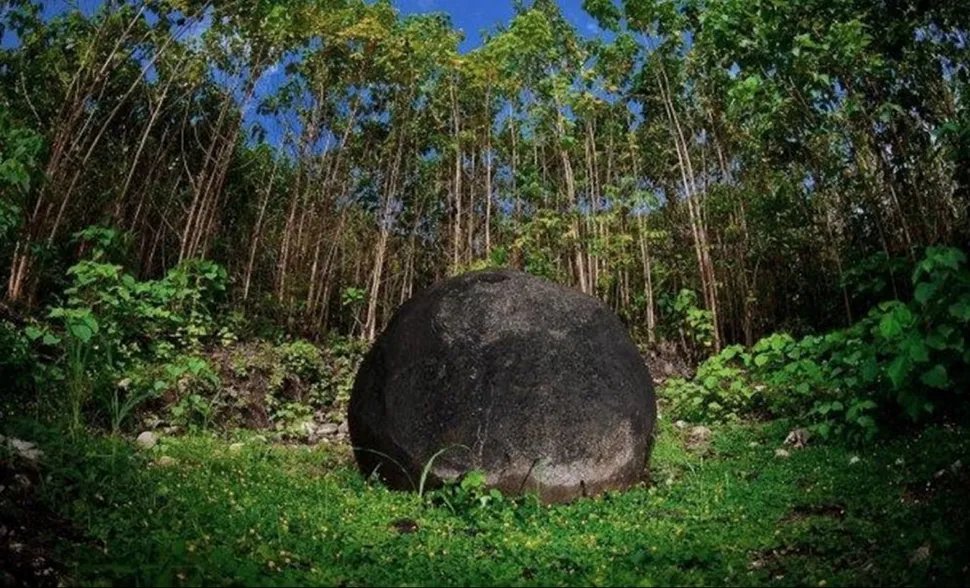
Giant stone spheres — some dating as far back as A.D. 600 — pepper the Diquis Delta of southern Costa Rica. Known locally as Las Bolas (“The Balls”), these monuments were the works of a Pre-Colombian civilization, and most are made from gabbro, a rock that forms from molten magma. The people who carved the stones into their perfectly spherical shapes likely did so using other small stones, according to archaeologists who study the ancient rocks.
Many non-experts have speculated that the so-called Diquis Spheres were used for astronomical purposes, while others think they may have pointed the way to significant places. The truth is that no one knows for sure. The Chibchan people who once populated Costa Rica and other parts of Central America vanished in the wake of the Spanish conquest, and the purpose of the spheres vanished with them, John W. Hoopes, an anthropologist at the University of Kansas, told JSTOR Daily in January 2016.
Antikythera mechanism

Like something from a fantastical treasure movie, the discovery of the Antikythera Mechanism remains a major archaeological head-scratcher.
Found in the sunken wreckage of a Greek cargo ship that is at least 2,000 years old, the circular bronze artifact contains a maze of interlocking gears and mysterious characters etched all over its exposed faces. Originally thought to be a kind of navigational astrolabe, archaeologists continue to uncover its uses and now know that it was, at the very least, a highly intricate astronomical calendar.
It is still the most sophisticated device ever found from that period, preceding the next appearance of similar devices by 1,000 years.
Cleopatra’s tomb
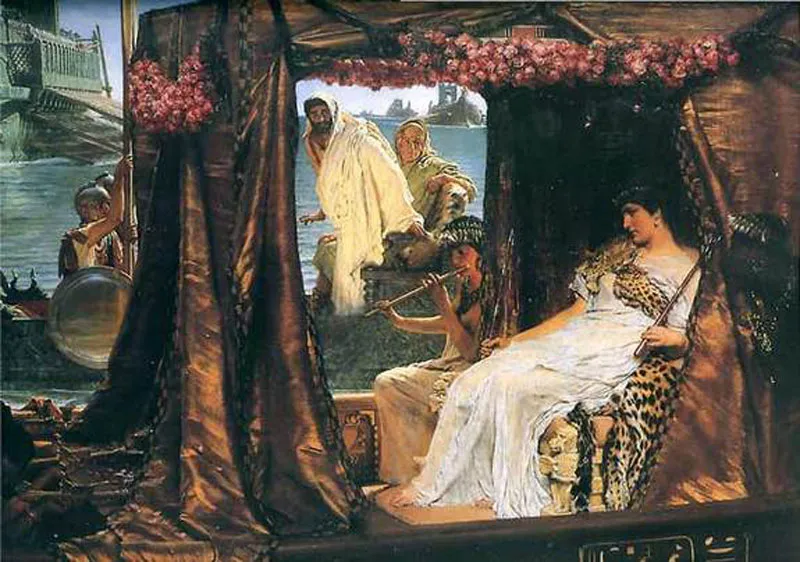
Cleopatra VII was the last of a series of rulers called the Ptolemies who ruled Egypt between 305 and 30 B.C. Much is known about her intelligence, beauty and romantic relationships (she had children with both Julius Caesar and Mark Antony), but one fact about Cleopatra is still shrouded in mystery — her burial place.
“Buy Organic Products Online at best prices at http://www.getgreen.co.in “
Qin Shi Huang’s tomb
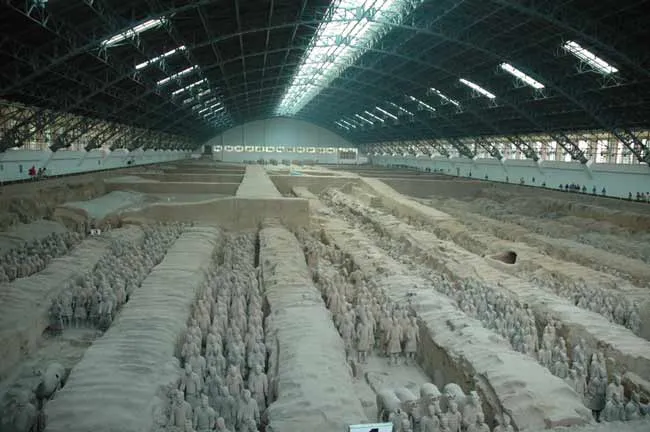
In 1974, farmers in China’s Shaanxi province accidentally unearthed one of the biggest archaeological finds of the 20th century — the life-size terracotta armyof Emperor Qin Shi Huang (259 B.C. – 210 B.C.).
The intricately carved figures aren’t a mystery: Historians know that the clay army was created to defend China’s first emperor in the afterlife. What isn’t known, however, is where exactly the emperor is buried or what treasures his burial chamber might contain. [See Photos of the Ancient Terracotta Warriors]
A pyramid-shaped mausoleum is located about a mile to the northeast of where the terracotta army was discovered. However, no one has actually entered the mausoleum that holds Qin Shi Huang’s remains.
The first emperor’s final resting place is the most opulent tomb ever constructed in China, according to ancient documents describing its construction. An underground palace, complete with a surrounding “kingdom,” the mausoleum is made up of a network of caves and even included a state-of the-art drainage system. Whether archaeologists will ever have the technology they need to safely excavate the tomb (which also happens to contain extremely high levels of mercury) remains a mystery, as do the many treasures that lay inside.
Atlantis
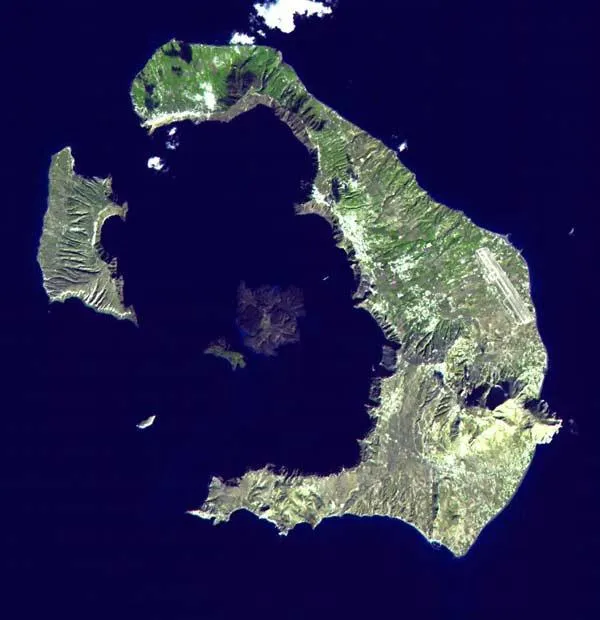
The lost city of Atlantis has been discovered in the Bahamas, the Greek Islands, Cuba, and even Japan if every claim was to be believed.
First described by the ancient Greek historian Plato in 360 B.C., the mythological island was supposedly a great naval power before sinking into the sea over 10,000 years ago in a catastrophic event.
Archaeologists debate the actual historical existence of the island as well as its most plausible location if it ever actually existed among the many sunken ruins discovered around the world. But even without definitive proof, Atlantis continues to engage the popular imagination like few other archaeological mysteries out there.
Stonehenge
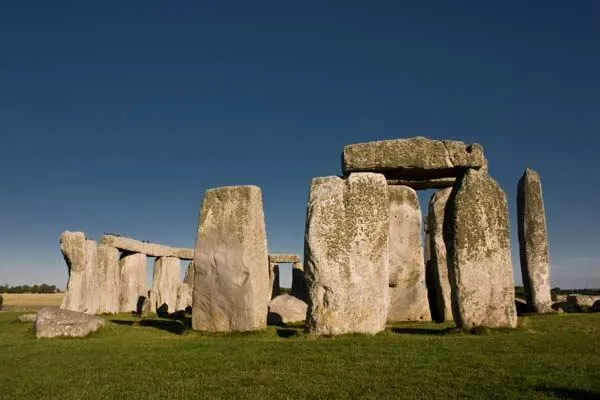
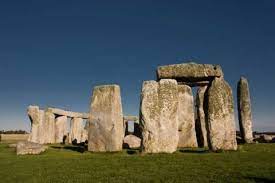
Sprucing up an otherwise docile English field, the prehistoric monument commonly known as Stonehenge is one of the world’s most famous landmarks.
The ring of megalithic stones was built approximately 4,000 years ago and was an impressive feat for the primitive people who constructed it but that’s about all archaeologists know for sure. None of the theories on the original purpose of Stonehenge, which range from an astronomical observatory to a religious temple of healing, has ever been, well, set in stone.
Ancient animal traps
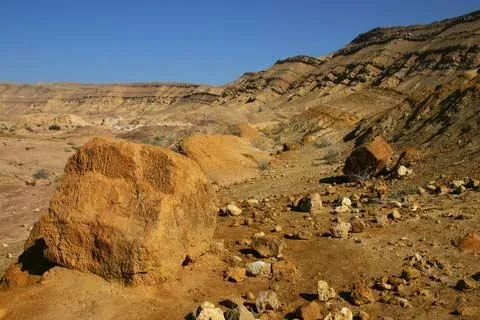
Low stone walls crisscrossing the deserts of Israel, Egypt and Jordan have puzzled archaeologists since their discovery by pilots in the early 20th century.
The chain of lines some up to 40 miles (64 kilometers) long and nicknamed “kites” by scientists for their appearance from the air date to 300 B.C., but were abandoned long ago.
The mystery might be somewhat clearer thanks to a recent study claiming that the purpose of the kites was to funnel wild animals toward a small pit, where they could easily be killed in large numbers. This efficient system suggests that local hunters knew more about the behavior of local fauna than previously thought.
Nazca lines
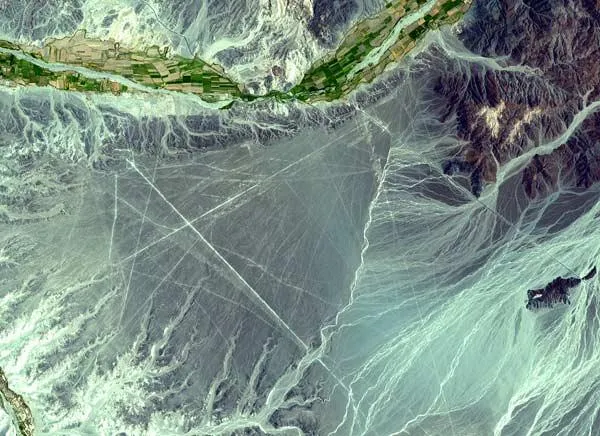
From the ground, the Nazca Lines of Peru are nothing spectacular. However, seen from the air, from which they were first spotted by commercial aircraft in the 1920s and 30s, they are staggering.
Archaeologists agree the enormous shapes there are hundreds of them, ranging from geometric lines to complicated depictions of animals, plants and imaginary figures were made over 2,000 years ago by people of the pre-Inca Nazca culture, who simply removed the red surface pebbles to reveal the lighter earth below in designs of their choice.
Read Also : Uncultivated food: food that money can’t buy,
Just why they did it remains enigmatic, prompting conspiracy theorists to float ideas about alien landings and ancient astrology. The lines were more likely to have been a ritual communication method with the Nazca’s deities, say archaeologists.
The Great Pyramids
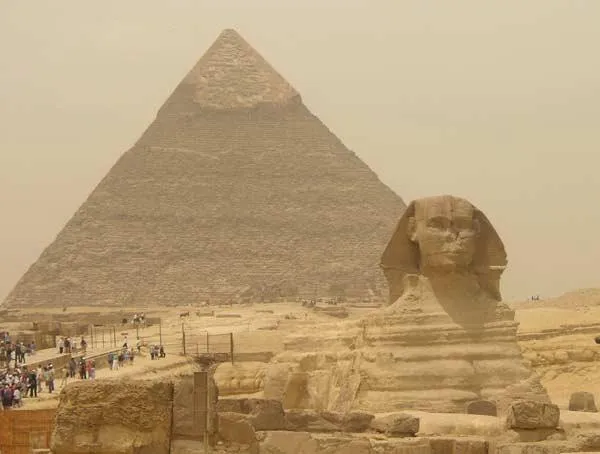
Even the information that archaeologists do know about the Great Pyramids of Egypt is enormously fascinating, to say nothing about what still might be uncovered.
Built almost 5,000 years ago in what is now Cairo, the three-pyramid complex with the largest, Khufu, dominating the site is a testament to the ancient Egyptians’ reverence for their Pharaohs and the intricacies of their belief in the afterlife.
Archaeologists are still discovering new tunnels and shafts built within the pyramids, and are still searching for clues on who built the great monuments, how and why, even today.
Shroud of Turin
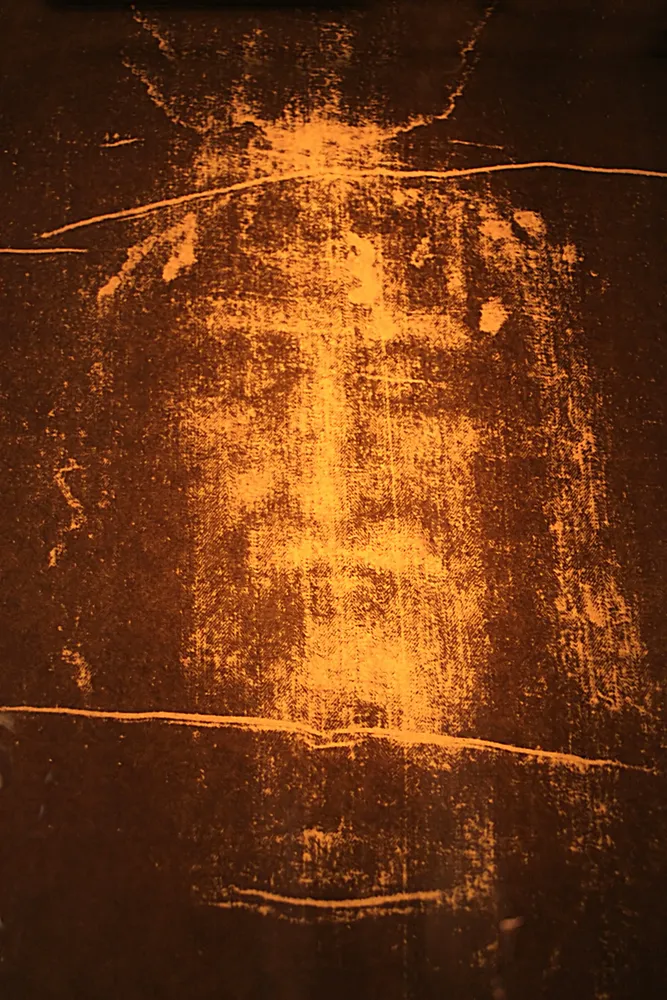
Perhaps no archaeological discovery is more debated than the enigmatic Shroud of Turin, which many believe to be the burial shroud of Jesus Christ. This long piece of twill cloth bears traces of blood, as well as the darkened imprint of a man’s body.
The Catholic Church officially recorded the existence of the shroud in A.D. 1353, which is when the cloth showed up in a church in Lirey, France. But the legend of the shroud dates back to A.D. 30 or 33. According to that legend, the shroud was transported from Judea (now southern Palestine) to Edessa, Turkey, and later to Constantinople (now called Istanbul). When crusaders sacked Constantinople in A.D. 1204, the cloth was moved to Athens, Greece, where it was allegedly held until A.D. 1225.
It wasn’t until the 1980s that researchers got their hands on the cloth to try to determine its true age using radiocarbon dating. They determined that the alleged burial cloth of Jesus was actually created between A.D. 1260 and A.D. 1390. In other words, the scientists determined that the cloth is most likely a medieval forgery. However, critics of this research argue that the scientists may have dated newer portions of the shroud that were stitched together centuries after Jesus’ death, which would explain why the shroud seems “newer” than it really is.
Gobekli Tepe
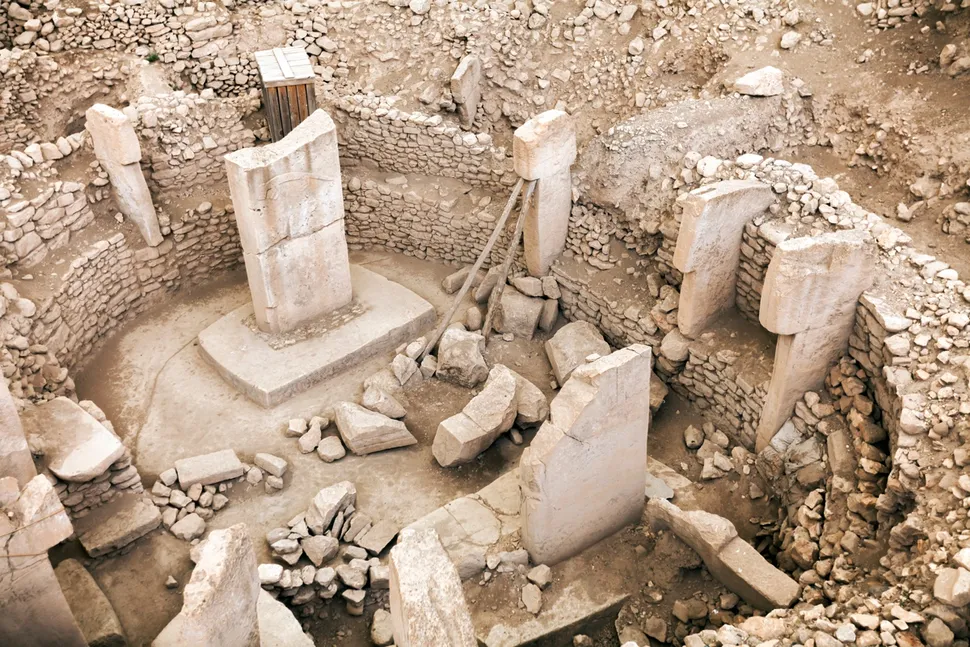
Humans first settled into permanents towns, farmed and then built temples, in that order, starting in 8,000 B.C. Or did they?
An amazing archaeological discovery made in 1994 at Gobekli Tepe, a rural area of Turkey, has blown that hypothesis apart, prompting new questions about the evolution of civilization.
Containing multiple rings of huge stone pillars carved with scenes of animals and dating to the 10th millennium B.C., Gobekli Tepe is considered the world’s oldest place of worship. Yet evidence also suggests the people who built it were semi-nomadic hunters, likely unaware of agriculture, which followed in the area only five centuries later. Because of Gobekli Tepe, archaeologists now have to ask which came first. Did building projects like this lead to settlement, and not vice-versa, as always thought?
The Copper Scroll treasure
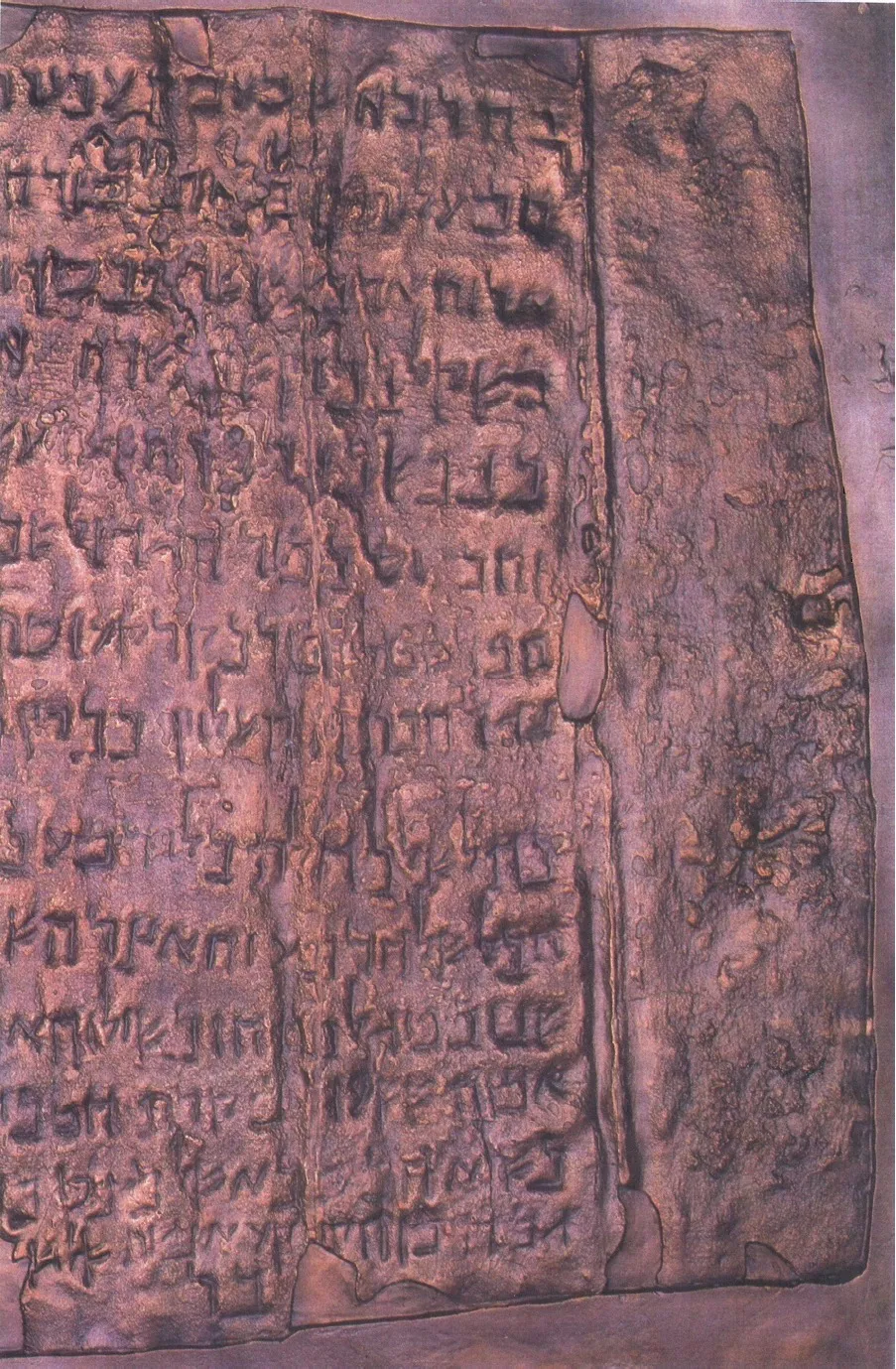
Here’s one archaeological mystery that we’d really like to solve: An ancient copper scroll discoveredat the site of Qumran in 1952 might describe a massive amount of hidden gold and silver, but no one knows where that treasure might be or if it even exists.
The copper scroll was found alongside the Dead Sea Scrolls in what is now the West Bank in the Palestinian territories. It dates back nearly 2,000 years to a time when the Roman Empire controlled the Qumran settlement. Researchers believe that the scroll might describe a treasure that was hidden by locals to keep it out of the hands of Roman forces during the area’s frequent revolts against the empire.
King Tut’s death
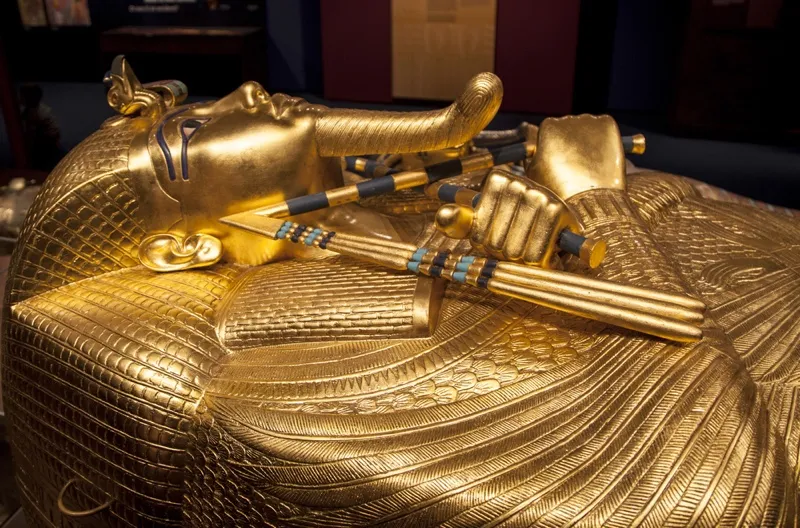
Few archaeological mysteries conjure up as much excitement as this one: the mysterious mummy of the Egyptian boy pharaoh Tutankhamun.
King Tut’s tomb was unearthed in 1922 by British Egyptologist Howard Carter, and tales of a “pharaoh’s curse” that kills those who come near the tomb have circulated ever since. But the real mysteries of King Tut’s tomb are even more interesting than any curse. Archaeologists believe that the boy king died unexpectedly, perhaps from an infection or from injuries sustained in a chariot accident. His untimely death may help to explain the strange condition that his mummy was in when it was discovered.
King Tut appears to have caught fire after his body was mummified and his tomb sealed. Experts who have studied the mummy believe that King Tut’s linen wrappings, which were soaked in flammable embalming oils, may have reacted with oxygen in the air to start a chain reaction that ignited the king’s corpse, “cooking” it at about 390 degrees Fahrenheit (200 degrees Celsius).
A rushed burial was likely behind the botched embalming job that caused the fire. But the hasty burial of this royal figure also gives rise to another mystery: It’s possible that King Tut’s tomb was originally built for someone else, and there may be other, undiscovered mummies buried in the same tomb.
The Ark of the Covenant
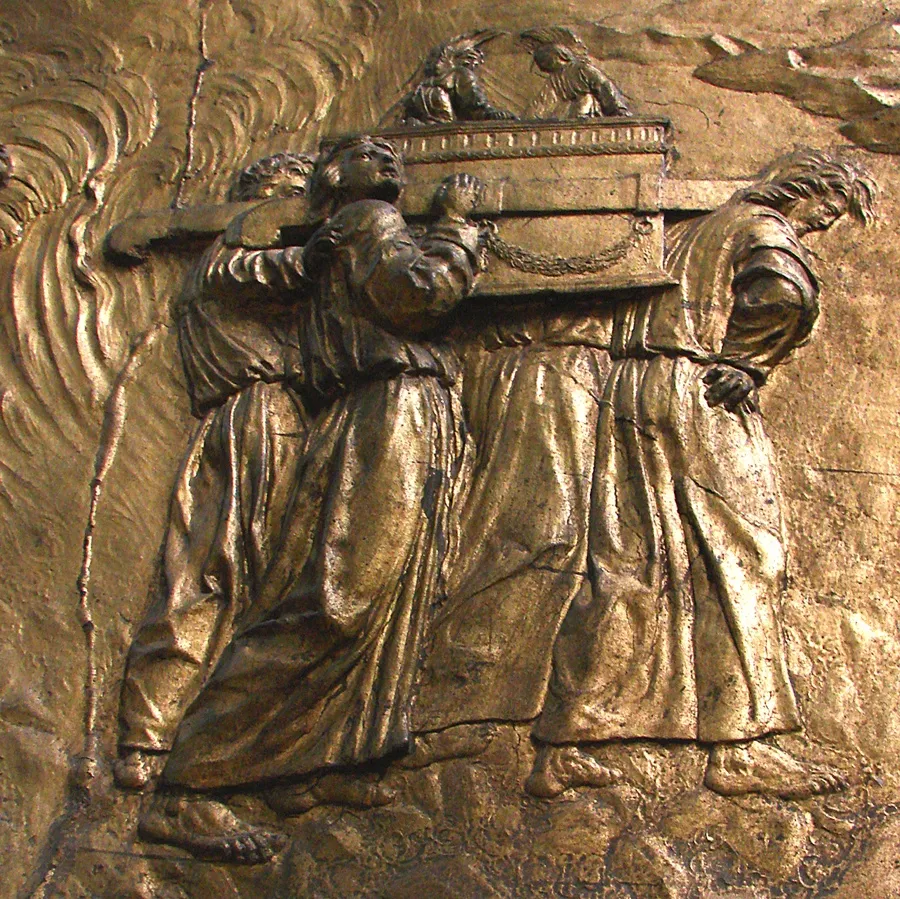
The Ark of the Covenant is a gold-encrusted wooden chest that contains the stone tablets of the 10 commandments, according to the Book of Exodus. In ancient times, this holy box was kept in the First Temple, a Jewish place of worship in Jerusalem. But the First Temple was destroyed in 587 B.C. by a Babylonian army led by King Nebuchadnezzar II, according to the Hebrew Bible. No one knows for sure what became of the ark, though since its disappearance, many people (both real and fictional) have gone looking for it.
So far, no one has actually found the holy relic (apart from Indiana Jones, of course). Some ancient reports say that the ark made its way to Babylon after Nebuchadnezzar’s sack of the city. Others say that the ark was buried somewhere in Jerusalem, or that it was destroyed along with the First Temple. Modern reports hint that the ark resides in a monastery in Ethiopia.
And a recently translated ancient Hebrew text suggests that the Ark of the Covenant will simply reveal itself, though not “until the day of the coming of the Messiah son of David.”
Voynich manuscript
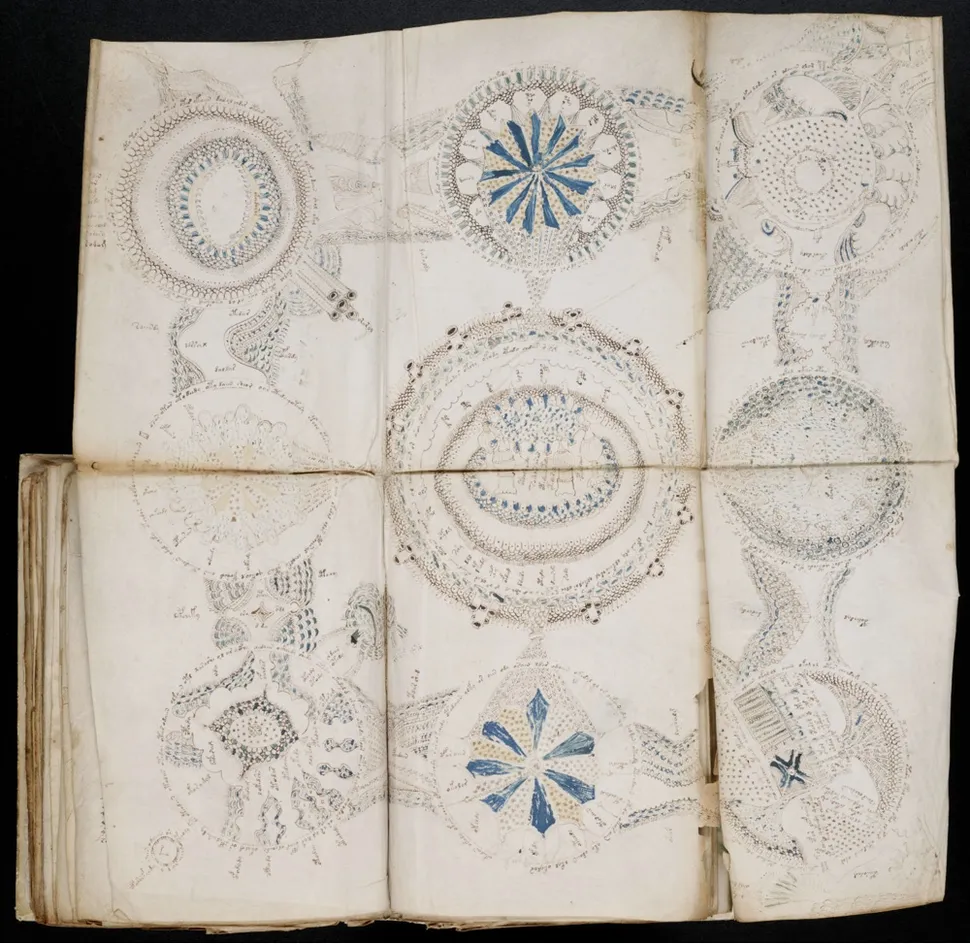
One of the most talked about books of the 20th century was an ancient text that no one could read. Discovered by an antique bookseller in 1912, the Voynich manuscript is a 250-page book written in an unknown alphabet and illustrated with a range of images, from female nudes to medicinal herbs and Zodiac signs.
The book, which is currently housed at Yale University’s Beinecke Rare Book & Manuscript Library, dates back some 600 years and was likely written in Central Europe, according to researchers. While some scholars believe the book is simply a Renaissance-era hoax full of unintelligible words, there are some who think the book’s text is written in an unknown language. Others believe the book lays out some kind of code that has yet to be cracked.
Read Also : This Kerala man maintains a roadside vegetable garden open to all,
Stephen Bax, a professor of applied linguistics at the University of Bedfordshire in England, claimed to have deciphered 14 of the Voynich manuscript’s characters in February 2014. The book is most likely a treatise on nature, written in a Near Eastern or Asian language, according to Bax.
The Hobbits
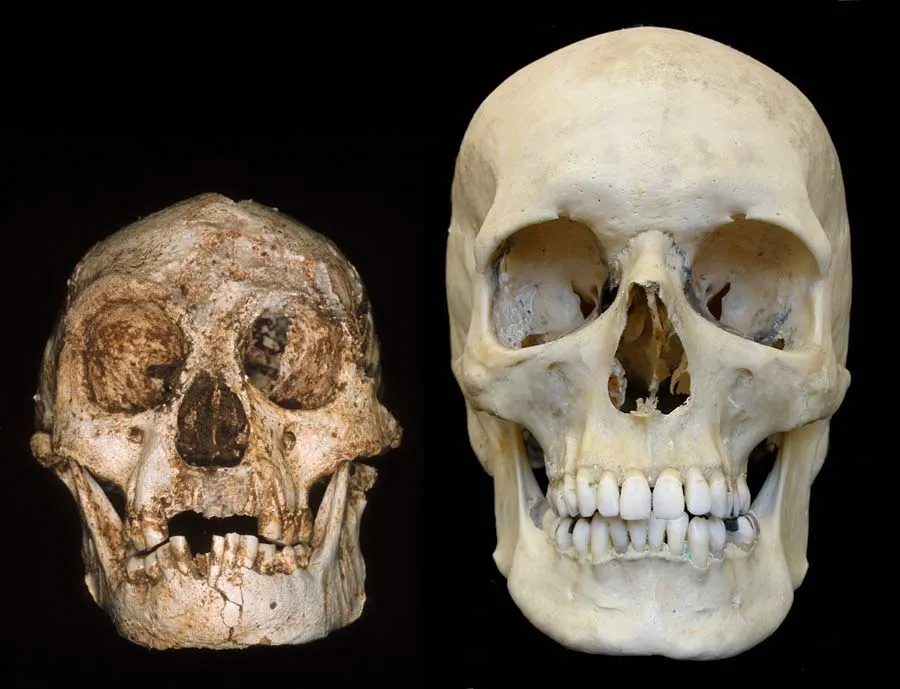
Some scientific discoveries are truly stranger than fiction. Case in point: the 2003 discovery of hobbits on the remote Indonesian island of Flores. No, scientists didn’t stumble upon a real-world version of the Shire, but they did uncover the bones of the petite ancient hominin Homo floresiensis, which they quickly dubbed “the Hobbit.”
The first H.floresiensisskeleton ever discovered belonged to a 3.5-foot-tall (1.06 meters), 30-year-old adult female. At first, researchers believed the diminutive bones may have belonged to a human with microcephalia, a condition characterized by a small head and short stature. But later discoveries of similarly sized skeletons suggested that the Hobbit isn’t just a tiny human — it’s its own species. Yet, H. floresiensis’ exact place in the family tree of hominins (human ancestors) is still a mystery.
Disappearance of the Sanxingdui
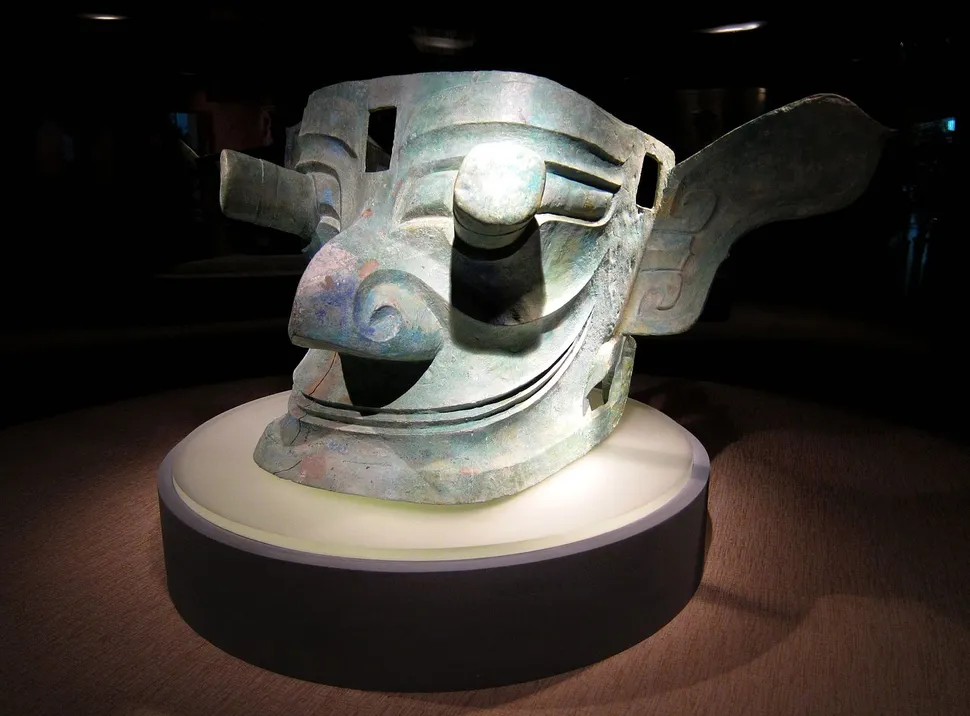
Not every perplexing archaeological discovery is made by a seasoned archaeologist. In 1929, a man repairing a sewage ditch in China’s Sichuan province uncovered a treasure trove of jade and stone artifacts. These treasures found their way into the hands of private collectors, and in 1986, archaeologists working in the area unearthed two more pits full of Bronze Age treasures, including jade, elephant tusks and bronze sculptures.
But who created these hidden wonders? Researchers now believe that members of the Sanxingdui civilization — a culture that collapsed between 3,000 and 2,800 years ago — made the artifacts. Archaeologists now know that the Sanxingdui once inhabited a walled city along the banks of the Minjiang River. But why they left this city, and why they buried so many artifacts in pits before absconding, is the source of much speculation among researchers. In 2014, researchers presented one idea at the the meeting of the American Geophysical Union in San Francisco, suggesting that an earthquake 3,000 years ago may have rerouted the city’s river, causing the inhabitants to move.
Noah’s Ark
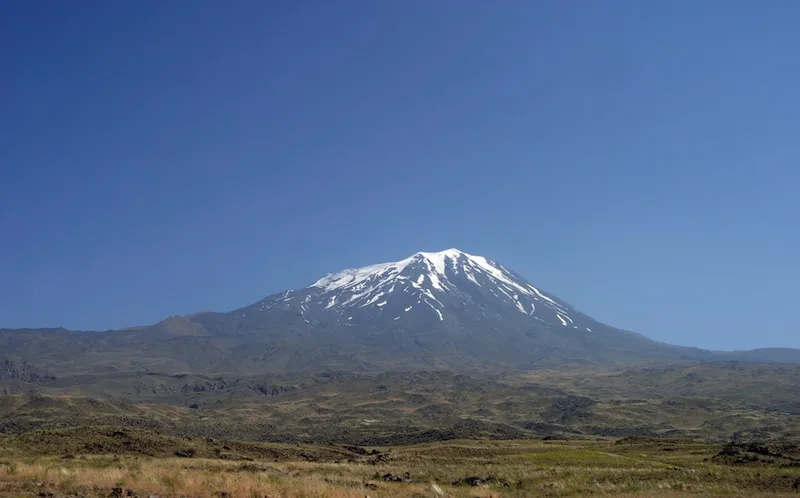
Some things are so good you just want to discover them again and again — like Noah’s Ark, for example. The Biblical boat has been discovered many times by many people … or has it?
For centuries, amateur archaeologists from around the world have claimed to find evidence of the ark on and around Mount Ararat in Turkey, which is where the boat came to rest, according to the Book of Genesis. But some researchers doubt whether Noah’s giant ark was ever built. Like Atlantis, Noah’s Ark is an archaeological mystery that will continue to be solved, again and again, even though it might not exist.
The lost Maya
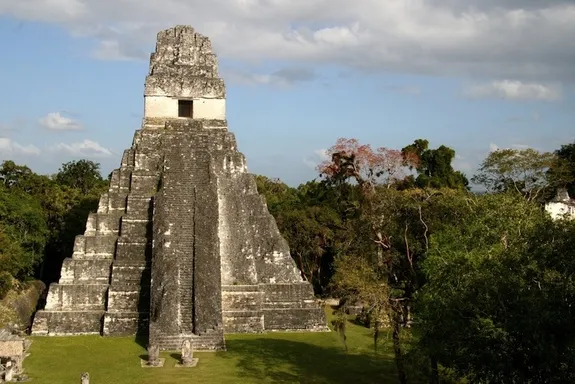
How does a civilization that thrived for the better part of six centuries just disappear? That’s a mystery that archaeologists working in southern Mexico and northern Central America have been trying to solve for decades.
Around A.D. 900, the flourishing Mayan civilization collapsed, but the reasons for this downfall are unclear. Scientific studies suggest that drought may have played a key role in the fall of the Maya. As the Maya cleared forests to make way for bigger cities and farmland, they may have inadvertently worsened the frequent droughts that were their undoing, according to a study published in the journal Science in 2012.
Other researchers speculate that soil degradation and declining prey populations (white-tailed deer, in particular) contributed to the end of the Maya. Still others experts note that shifting trade routes, as well as internal political conflicts likely hurried the demise of the once great empire.
The Khatt Shebib
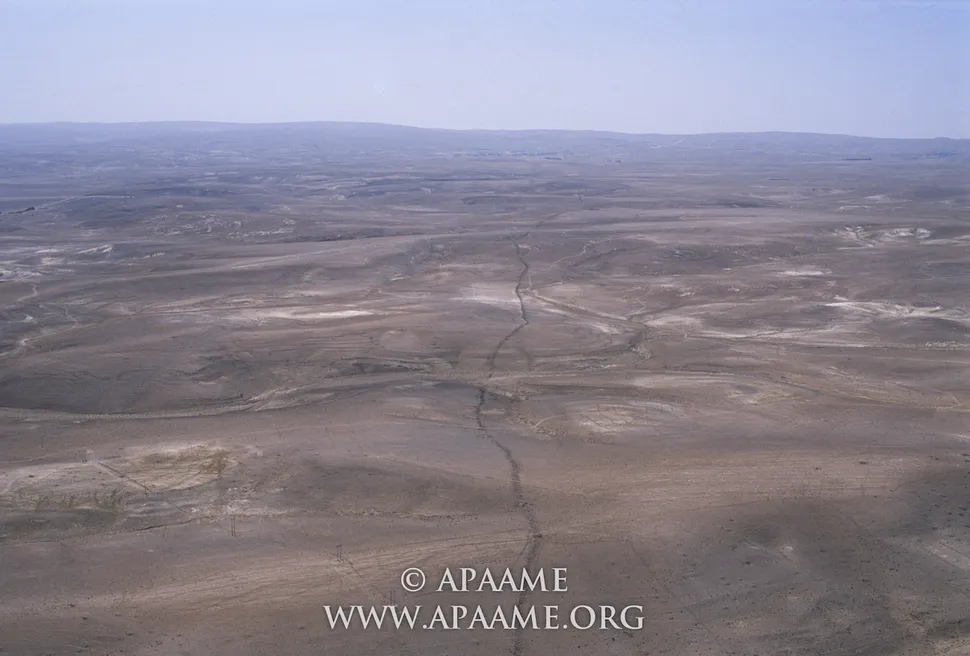
You might think that a 93-mile-long (150 kilometers) stone wall would have a very obvious purpose, but that is not the case for the Khatt Shebib. This mystery wall in Jordan was first reported in 1948, and archaeologists still aren’t sure why it was built, when it was built or who built it.
The wall runs north-northeast to south-southwest and contains sections where two walls run side by side, as well as sections where the wall branches off. Though today the wall is in ruins, in its heyday, most of it would have stood about 3.3 feet (1 meter) high and just 1.6 feet (0.5 meters) wide; it’s unlikely that the Khatt Shebib was built to keep out invading armies. However, it may have been constructed to keep out less threatening enemies — like hungry goats, for example. Traces of ancient agriculture to the west of the wall suggest that the structure may have served as a boundary between ancient farmlands and the pastures of nomadic farmers, according to archaeologists with the Aerial Archaeology in Jordan project. [See Photos of the Mysterious Ancient Wall in Jordan
Tags: #Chibchan, #china, #climate, #earth, #farmer, #forestgreen, #foresthill, #getgreengetgrowing, #gngagritech, #greenstories, #Hoopes, #lovenature, #mountains, #nature, #naturelovers, #photography, #rica