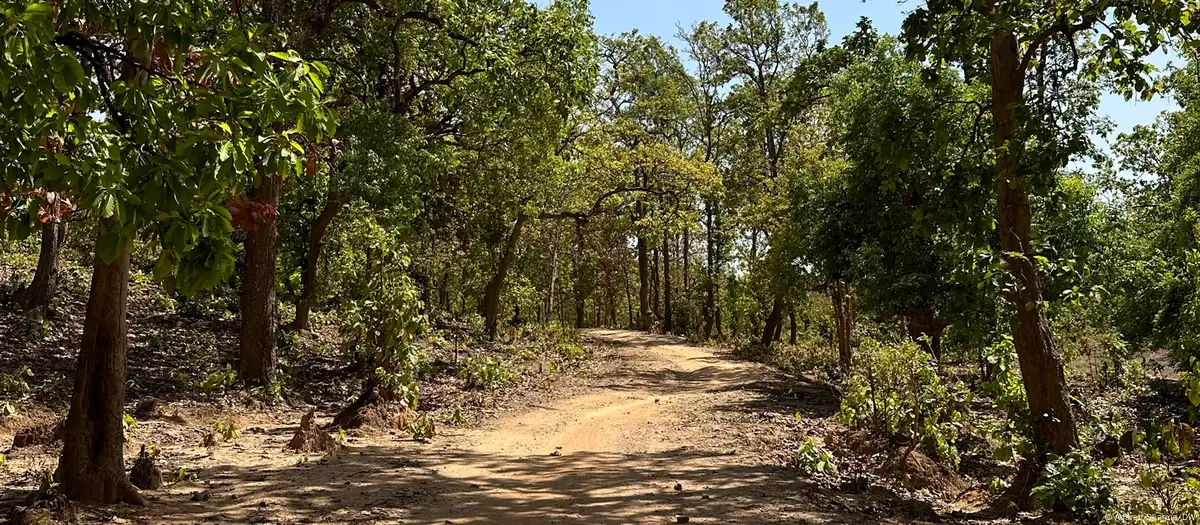
India’s Forest Research Institute is organizing a count of all trees across Delhi, India’s capital territory containing the city of New Delhi, amid a controversy about illegal tree felling. The decision to launch the census was recently confirmed by India’s Supreme Court, with the judges instructing the institute to work towards increasing the city’s green cover.
The project has been given a timeline of around four years and an estimated budget of around 44.3 million Indian rupees (over $516,600 or €455,800).
In that time, the tree census takers are expected to do more than just count the trees in the territory. Experts and volunteers should also sort the trees into species, record their height, girth, health status and exact location. Most importantly for climate scientists, they are to record the so-called carbon mass of the tree — the carbon absorbed from the atmosphere through photosynthesis.
‘One tree per person’
India aims to achieve net-zero emissions by 2070, and trees have an essential part to play in controlling carbon emissions in the world’s most populous country. But there are other reasons to fight deforestation — a 2019 study by the Indian space agency ISRO reported that some 30% of India’s territory is at risk of desertification, and having more trees, especially in the cities, can curb the effects of pollution and heat-related deaths.
________________________________________________________________________
Read Also: Climate Change And Tsunamis: Ice Melt May Cause Underwater Avalanches, Research Shows
________________________________________________________________________
Plant scientist Dr. Smitha Hegde believes that “at least one tree per person” is needed to achieve net zero on carbon emissions. Hegde made the claim during an interview with content creator Q Head on YouTube, where she also discussed her 2023 tree census in the port city of Mangalore. She and her team of 40 volunteers only found some 19,000 trees in public spaces of Mangalore, which has a population of around 600,000.
Notably, it took one full year to complete the census in a city many times smaller than New Delhi.
AI technology and drones to fill in for humans
Most measuring and counting are still done manually in India, with the data sorted into Excel sheets. At the same time, the census takers have started incorporating modern technologies such as remote sensing, LiDAR (Light Detection and Ranging), drones, and GIS (Geographic Information Systems), improving both the accuracy of data and the speed of the process.
In the online interview, Hegde acknowledged that modern technology can make surveying trees much easier and faster. However, a fully automated system for this process has not yet been developed.
Talking to DW, AI scientist Arpit Yadav said improving technological infrastructure would require a “really huge investment.”
“AI technology uses methods of computer vision and object detection. When drones fly over forests or any area, they use object detection to identify trees and count them. This data is then sent to a server, which makes the counting process faster and more accurate,” he said.
“The better technological infrastructure we build, the less there will be a need for field visits,” Yadav added, but noted that “if we do not have enough drones and advanced technology to minimize the errors, human involvement will remain high.”
Satellites cannot detect grazing
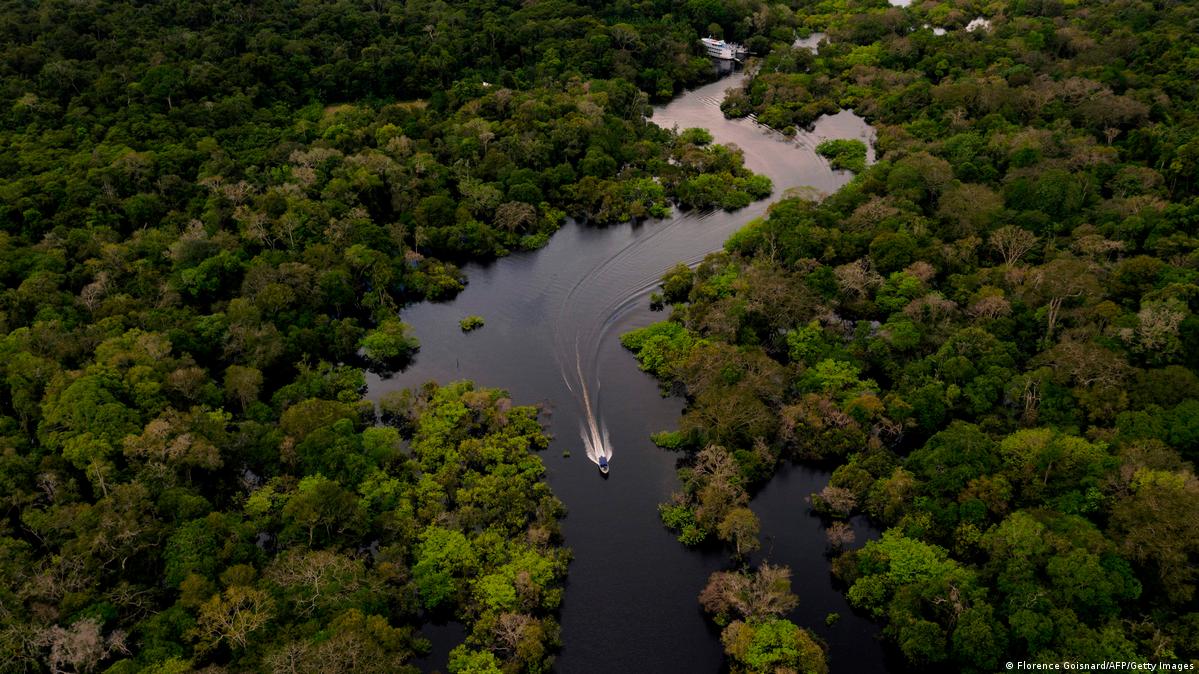
In addition to traditional and AI-based methods, many countries also use satellite technologies to count trees. In this process, satellites take photos and send out radio waves or microwave signals, which bounce off the Earth’s surface and provide various types of data.
________________________________________________________________________
Read Also: How accountants can be superheroes in fighting climate change
________________________________________________________________________
Image: Zoonar/picture alliance





But even space-age technology has its limits.
“Satellites cannot tell whether grazing is happening in an area or not. For that, field visits are necessary,” Purabi Saikia, a professor at Banaras Hindu University and a forest ecologist who has worked on forest mapping and assessment in several Indian states, told DW.
Local communities as allies in fight to protect trees
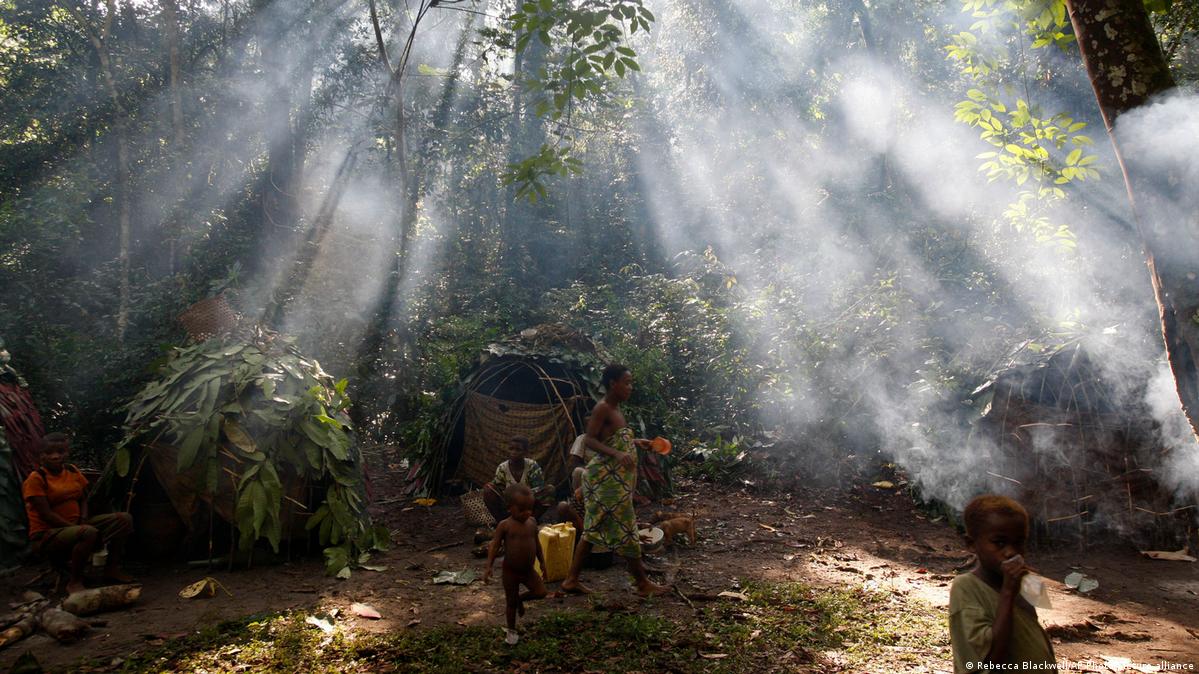
Tree censuses make it easier to track invasive species and protect the trees from illegal logging. In this battle, conservationists can call on allies from local communities, especially those whose lifestyles depend on trees. Some people in India still consider certain trees to be sacred, while others simply recognize their medicinal value.
“Those who are more dependent on forests tend to use them more responsibly, while those who are less dependent often cause more harm,” Saikia told DW.