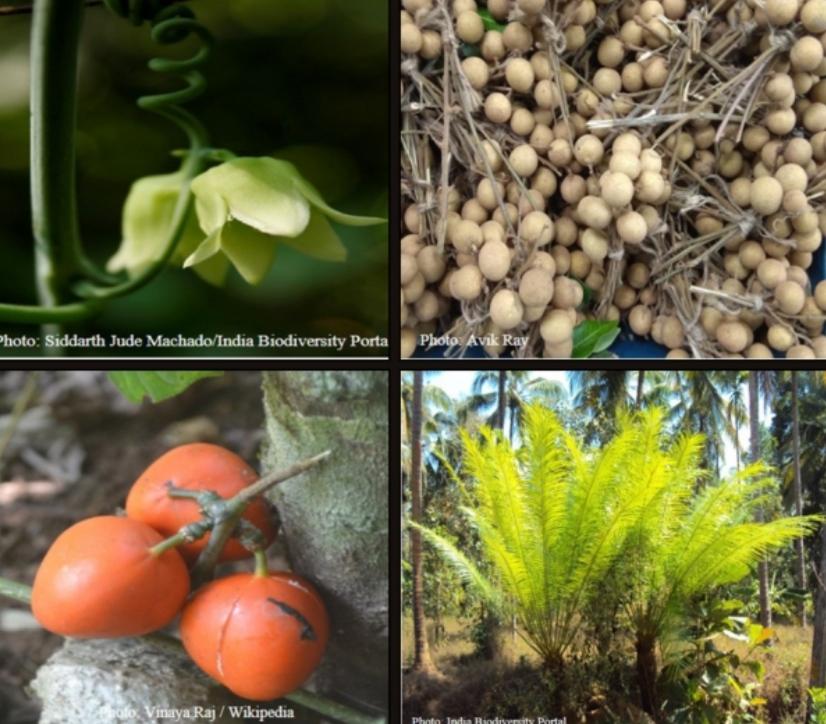
What is Uncultivated Food?
Uncultivated food is those eatables which grow naturally without protected and uncultured method. They contain multi-nutrients such as beta-carotene, calcium, iron etc. Leafy green vegetables, tubers, mushrooms and other eatables are the example of uncultivated food.
There are 80,000 edible plants species have been used around the world in which only around 150 are under cultivation, and the rest of them are from uncultivated or wild foods. Even today, many population or communities all around the world are still depend on inactivated foods. Such as those who are living in grasslands and forests are regularly hunting and collecting such food items. This is the primary source of food and nutrition to most of the rural areas.
Uncultivated food- rich source of nutrition
Most of the previous research in rural areas of different countries revealed that the wild, uncultivated food is improving the lives of the population live there. The green leaves, fruits and other food items contain calcium, vitamin C, beta-carotene, iron and folic acid. These food are rich in nutrients and essential for healthy life. Scientific analysis of such uncultivated or wild food states that some food contains a good amount of nutrients than cultivated food, for example, Jonnachamcheli includes 3237 mg of calcium per 100 g of edible part and rich in iron, Adavi pullakura contain 139mg of iron and 331mg of calcium, Tummikura contains 81.6 mg of iron per 100g of leaves. They help in maintaining growth. On the other side, uncultivated and wild fruits are rich in more than 1 lakh bioactive compounds such as wild blueberry and wild salmon found to be more nutritious than the cultivated ones. Other examples are mangosteen, jackfruit etc.

Why don’t people take uncultivated food?
- Due to their low accessibility
- Due to lack of awareness of their advantages
Use of Uncultivated food
- 95% of hilly and grassland population consume uncultivated food because of its easy and free availability.
- Uncultivated food majorly fulfil the hunger of such communities.
- Some of the uncultivated items contain medicinal properties such as to treat anemia (iron-deficiency)
- Many studies show that uncultivated food is advantageous for pregnant ladies and children.
Uncultivated food and life of poor
Rural population and communities over worldwide still depend on uncultivated food. This is the primary source of fulfilling their hunger. They gather various wild plants, vegetables, fruits and mushrooms for their healthy growth. Some examples are doggali koora, Gangavayeli are mostly eaten by one of the areas in Andhra Pradesh. Agriculture and poor have been in a great relationship since the time of history and so as the uncultivated food to them. They still look at their agriculture bio-diversity as the spiritual side. It’s like a celebration for them with nature to grow various new crops besides this; they never forget how uncultivated food has always connected to them as an essential source and fulfil their needs. Uncultivated food has been sustaining their food security.
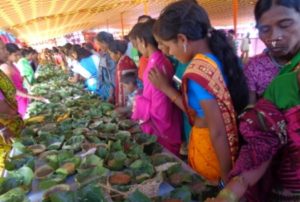
Few rural development organisation have studied the role of uncultivated food in the life of the poor population. They have clarified that around 90 uncultivated food are vegetables, fruits and leaves. Mostly women are from the daily community involved in farming and collecting these eatables. Each family consumed uncultivated food around worth Rs.500-1000 when calculated of their total expenditure of Rs. 2000. Some uncultivated food like gunugu, Chennangi, soyikoora, Ananda etc. are sold in towns also because They turned out to be good for health. Paharia tribes (hill tribe) in Jharkhand involve in conservation, preservation (like dehydration of green leaves) and processing of uncultivated crops and maintain the diversity of diets. That community found various types of mushrooms in hills, eight kinds of aquatic weed, honey, green leaves vegetables, fruits, legumes, killers, tubers available in the wild areas. All these given names are based on their scientific name, nutrition available, local terms and their choices. A diet survey done in Paharias tribes concluded that 40% of children are underweight and average calories have dropped due to food shortage. They sell some of the nutritious uncultivated items like mushrooms, tubers, edible leaves to the other big community in an exchange of salt, oil and other for their daily needs. The younger generation of tribal areas is aware of the wild food sources as they are also involved in finding and collection process. Uncultivated food enhanced the dietary habits of tribal people.
Conservation of Uncultivated food
Uncultivated or wild food items are mostly conserved by tribal or poor people. They have been surrounded mainly by natural resources. They quickly find various raw uncultured food in their areas which have been added to the diet.
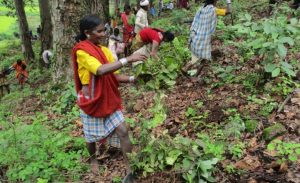
But, still, they face many challenges in the conservation of uncultivated food:
(1)Survival of new plant- The local food items have good survival ability as they become familiar with forest land, but the plantation in degraded forest failed sometime. To overcome these problems, they focused on the development of in-situ conservation ways. They have also developed the ex-situ conservation and worked on the development of the land location. They have taken up other various initiatives with ex-situ preservation such as plantation of jackfruit, Apple, guava etc. concerned in the homestead. They also focused on increasing water availability required.
(2) Nutrition gaps in the diet- Drums were taken up for storage of legumes to avoid pest attacks.
Read Also : BLACK RICE: HOW IT CHANGED THE LIVES OF FARMERS IN ASSAM,https://greenstories.co.in/black-rice/
Conclusion
The overview of uncultivated food and its conservation in various areas shows that these plants are an essential part of the food system. The agriculture biodiversity and practices make sure the continuity of uncultivated plants in our diet culture. Their advantageous factors ensure the well-being of massive number of population. It has again achieved its position in market but still there is a gap due to under establishment in ecosystem and undeveloped forest land. The demand of water is also increased since the use of uncultivated food is raised. As we looked the relation of uncultivated food and tribal people, it is good to know that they have developed the growth of such food items shrubs, climbers, tubers etc. by applying different conservation method.
Tags: #delicious, #follow, #food, #foodblogger, #foodie, #foodlover, #foodphotography, #foodporn, #foodstagram, #getgreen, #gngagritech, #goods, #greenstories, #healthyfood, #homemade, #instafood, #instagood, #like, #love, #yummy