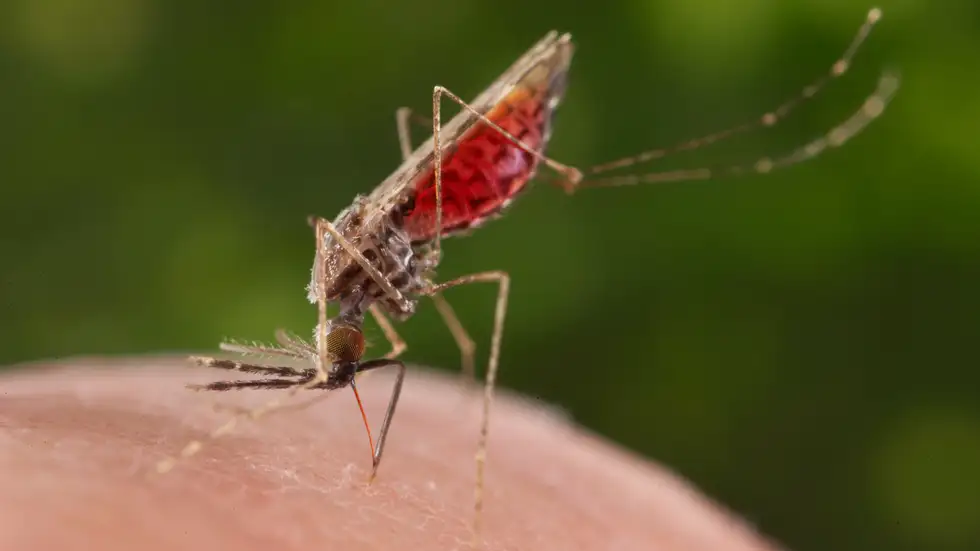
Mosquitoes are more than just pesky annoyances responsible for sleepless nights in the summer. The tiny insects can carry deadly malaria-causing pathogens responsible for over 600,000 deaths annually.
As is the case with a lot of dangerous diseases of the world, Africa carries a disproportionately large burden of mosquito-borne malaria as well — just four African countries account for over half of all malaria deaths worldwide.
________________________________________________________________________
Read Also : Microplastics from laundry are flooding into the Arctic
________________________________________________________________________
We now know that it isn’t merely a curse from the Gods, but their location in the continent’s tropical zone that make them ideal breeding grounds for the female Anopheles mosquito since they do well in warmer temperatures. But what happens when climate change raises mercury levels across the globe?
Researchers at Georgetown University looked into how climate change could influence the reach these mosquitoes have, and we might have an answer.
Using data going as far back as 1898, the team found the limits of the malaria mosquitos’ ranges moved away from the equator by 4.7 kilometres a year on average over the past century.
________________________________________________________________________
Read Also : What Should the SEC Require in Climate Change Disclosures?
________________________________________________________________________
The research further revealed that with a bit of mountain climbing, the species gained an average of 6.5 metres in elevation annually on the continent during the same time period.
While scientists need more data to conclusively link the spread of malaria to rising temperatures, a lot of mosquito species are moving in the direction and at the speed that looks like a climate change impact, said lead author and biologist at Georgetown Colin Carlson.
Malaria has been haunting humanity since time immemorial, and the pathogen has been around for so long that it even infected dinosaurs. And many studies have predicted the future spread of disease due to climate change. However, the present study suggests that this is already happening in Africa in the 20th century.
________________________________________________________________________
Read Also : How Climate Change Is Fueling Extreme Weather
________________________________________________________________________
So if you were thinking that the impacts of climate change would be restricted to rising sea levels, floods and drought, think again. Top U.N. climate scientists fear that some of the worst consequences will come from disease.
NOTE – This article was originally published in weather and can be viewed here