Water availability and aim in India accounts- 2.45% of land area and 4% of water resources. The traditional wastewater treatment procedures are costly, require complicated operations, and supervision. It is rated around Rs. 7,560 crores. Sewage contains nitrogen and phosphorus; it encompasses pathogens- Bacteria, viruses, protozoa, parasites.
Biological, chemical, or mechanical methods utilized to eliminate pollutants from industrial or municipal wastes, modify the character and composition of medical waste, or decrease or abolish its potential for harm to living beings and the environment.
_______________________________________________________________________
Read Also : Climate change impacts on water resources
________________________________________________________________________
TYPES OF TREATED WASTE
Solid waste treatment
The treatment of solid wastes is a critical element of waste management. Different forms of reliable waste treatment are esteemed in the waste hierarchy.
Wastewater treatment
Agricultural wastewater treatment
Agricultural wastewater treatment is the solution and disposal of liquid animal waste, pesticide residues, etc., from agriculture. To
Reduces pesticide consequences, farmers may utilize Integrated Pest Management (IPM) techniques.
Industrial wastewater treatment
Industrial wastewater treatment is the method of humid wastes from manufacturers, mines, power plants and other commercial buildings. Enterprises that generate wastewater with high awareness of conventional pollutants that require specialized treatment systems. Install a pre-treatment system to discard the toxic elements.
Sewage treatment
Sewage treatment is the procedure and removal of human waste. All human communities generate sewage. Treatment in urbanized areas is typically dealt with by centralized treatment networks. Alternative systems may utilize composting procedures or processes that segregate concrete equipment by settlement and then renovate soluble adulterants into biological mud and gases such as carbon dioxide or methane. It comprises three methods: primary treatment, secondary treatment, and tertiary treatment. The first disposal of BOD from water then eliminates the bacteria, finally filter to give rise to the water into the stable.
Radioactive waste treatment
Radioactive waste treatment is the procedure and contains radioactive waste.
Utilization and Recycling of Treated Waste
- Utilization of trash from the coffee creation
- Probable utilization of guar gum industrial trash in vermicomposting output
- Compressed air output with garbage heat utilization in trade
- Waste published circuit boards converting and utilization
- Utilization of papaya garbage and oil creation Chlorella Protothecoides
- Utilization of home food waste for the production of ethanol at high dry material quantity.
- Utilization of ethylcellulose polymer and trash materials for roofing title generation
- Utilization of solid waste as a substitute for the presentation of oil oleaginous microorganisms
- Industrial waste utilization in the panels’ generation for high building beginnings and socle confronting
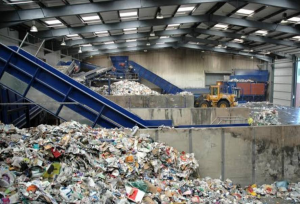
Compilation Yards and Separation
Materials to be converted are brought to a compilation center or picked up, then sorted, dried, and reprocessed into modern substances bound for manufacturing. Collection yards are dealt with, ensured premises prepared with special containers for waste compilation.
The reserve materials such as distinct, risky, building, electronic trash as well as old tires.
- Waste sorting is the beginning method that attends after the individually collected packaging trash from the municipal, marketable, and industrial waste collection has attained our recycling facilities. The goal is to underestimate the quantity of waste from industries, local authorities, and households that dump and renovate it into essential resources.
- Waste splitting stands at the onset of the profitable waste procedure process. The unsorted communal trash is segregated into different percentages and then shifted for further procedure and waste comeback. Using a particular treatment procedure, fractions elevated in calorific value are separated from marketable and industrial trash, establishing a commercial product.
________________________________________________________________________
Read Also : Half a million sharks may be killed to make Covid-19 vaccine, say experts
________________________________________________________________________
The sorted substance is then minced, mashed into tight bales prepared to be submitted for reuse or further treatment. Balling presses are utilized to compress the essence and undervalue the quantity, thus optimizing warehouse and vehicle efficiency. Besides, pressed bales can be draped to protect the substance from environmental effects, like sun and water, and stave off odor emissions and leaching.
Mechanical-biological trash therapy
Household, commercial and industrial waste is given rise to our procedure facilities was at the mechanical phase, waste is ceased to function into small fractions, and recyclable substance is eliminated.
During the next biological stage, trash is composted and broken down into its biodegradable elements. Relying on the input material and processing technology, mechanical-biological therapy can lessen the quantity of waste to be removed by nearly 2/3. Moreover, other advantages include the extraction of raw substances, electricity, and heat generation.
Thermal Waste Procedure
Non-recyclable and non-reusable trash is dealt with an environmental-friendly path through thermal waste therapy at our new incineration capabilities. This treatment decreases the quantity of waste while also producing electricity and generating raw materials.
Composting
Compost comprises biodegradable percentages, such as greenery trash and vegetable food sediments, that are progressively polluted with aerobic bacteria’s help.
At 15 composting plants, this occurs in different composting tunnels or on especially capable outdoor grounds with continuous temperature and moisture volume of the composted trash. During the composting procedure, the temperature and moisture content of the composted waste is regulated continuously.
Composting not only decreases landfilled bio-waste, which is a basis of leachates and methane and toxic for the environment but also delivers essential fertilizers for agriculture and landscaping that are beneficial and more inexpensive than synthetic fertilizers.
Alternative fuel production (RDF)
Treating waste to regain energy for the generation of heat and electricity has to serve increasingly essential. Refused Derived Fuel is a fuel generated entirely from trash with non-hazardous properties, main debris from industrial procedures, and some packaging substances which cannot be converted.
Using a mixture of mechanical and biological therapy methods, the material – flexible chippings of about 25 mm comprising various plastics, paper, textiles, rubber, and wood – is portioned, crushed, then magnetic dividers, pneumatic separator, or PVC infrared division. A wheel loader then continuously blends it in the warehouse bin so that uniformity is attained.
RDF is usually employed in cement manufacturers, or lime works with rotary kilns, where adding RDF enables for the alternate of traditional fossil fuels and a reduction of emissions released into the environment.
________________________________________________________________________
Read Also : How zero waste fashion will be helpful
_________________________________________________________________________
Solidification of Stabilisation
By blending dangerous trash with further additives – mainly lime (as a hydraulic binding agent), enhanced by other additions like fly ash, a crop of desulphurizing (REA product), and cement – solidification decreases the mobility of dangerous materials and impurities in the environment through both real and chemical factors. The procedure can treat pasty, concrete, or powdery trash and renovate it into strong material. Waste can then be moved on for removal or landfilling.
Landfilling
Despite criteria to deter waste in coincidence with efficient assortment, splitting, and reuse, some trash types will always stay unusable. Technically sophisticated warehouse solutions that are continuously in supervision assures that this type of waste is safely stocked.
________________________________________________________________________
Also Read : Immune System and its link with Eating Healthy and Organic Food
________________________________________________________________________
Decomposing garbage in these landfills automatically generates landfill gas, which can be obtained and used in various means, for heating and electricity, for example. This is done by about the effective degas strategy at all big trash yard.
CONCLUSION
Observing the facility’s waste streams and specifying how the trash is regulated to further useful procedure—discovering demands for the recyclable substances. Everything is essential in case of waste. It could produce valuable materials. Junk gives rise to crucial utilization of much-treated waste again and again.
Image Source
https://images.app.goo.gl/aUdFdNTuUBcGBbBo8
Tags: #environment, #getgreengetgrowing, #gngagritech, #gogreen, #greenstories, #junk, #plastic, #Pollution, #recycle, #recycling, #rubbish, #sustainability, #trash, #waste, #wastemanagement, #zerowaste