“Waste isn’t danger until we don’t recognize it” ~Shigeo Shingo
Waste production by definition is ‘the production of unwanted materials as a by-product of economic processes.’ While looking into it, you will seem to acknowledge much more. Just how Shingo quotes, waste production has now become a phantom to mankind extensively. While waste production commences each day from a plastic squander thrown irresponsibly to garbage dumped from manufacturing industries that collect to build landfills daily. It may strike an individual, like it struck me, as to how to prevent the loss we’re facing due careless waste production diurnally, yet, besides knowing all alternatives and measures, we tend to intentionally brush them aside up to the present time.
________________________________________________________________________
Read Also : How to do Pranayam: Yoga Breathing Exercises You Must Include in Your Routine
________________________________________________________________________
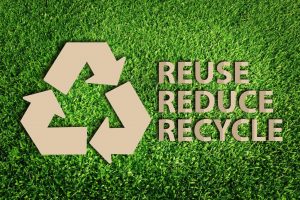
Still and all, there have transpired some organisations understanding how precarious the consequences of negligent waste disposal are and how adverse they may be in the near future. Associations such as ‘Frontier Polymers’ and the ‘Shakti Plastic Industries’ graft to bring about a positive, immediate and healthy change in the disposal industry in India. The prime objective of these and many other such firms is to bring in our country smart yet easy and affordable measures to reduce waste production. The main motto that all firms as well as organizations such as UN try to imply all over the globe is that of ‘Recycling, Reusing and Reducing’. The particular explanation one can derive from the famed phrase is that of recycling i.e. conversion of waste materials into functional new resources and materials. Reusing refers to using an article enough amount of times to get the best of it in order to save resources of all sorts. Furthermore, reducing the utilization of unwanted matter in order to prevent the depletion of non-renewable resources such as coal and conserve all sorts of capital and material for practical necessities of the future.
Waste production is also being battled by NGOs such as ‘Healing Himalayas’ which aim to clarify India of all waste dumps and reduce waste production.
________________________________________________________________________
Also Read : This Farmer Won the Padmashri for His Zero Budget Natural Farming Model
________________________________________________________________________
http://www.greenmountains.ae/blog/en/reduce-reuse-recycle-3rs-solid-waste-management/
The basis of waste management in order to reduce material misuse and waste production is to process waste in the right manner and to follow laws encircling the production and sustainable management of junk.
While on the subject of the same, government has surpassed laws such as the ‘Environmental Protection Act – 1986’, The Hazardous Wastes (Management, Handling and Transboundary Movement) Rules and the ‘Plastic Waste (Management and Handling) Rules and the ‘Bio-Medical Waste (Management and Handling) Rules – 2011. These laws have been implemented over the past few decades as drastic changes and suffering due to the consequences of waste production has been witnessed and observed by all, including us citizens. The mentioned laws and numerous such intend to acknowledge persons of the damage their carelessness causes and look forward to control the same via fining them or punishing them for their foul actions and incautious behaviour.
Another practice that has been utilized for multiple purposes for a long while is that of campaigning. Government and privately held campaigns have brought about change in the Indian disposal mentality. Campaigns such as the government held ‘Swachh Bharat Abhiayan’, inaugurated on 2nd October, 2014, has assisted a great deal nationally. The campaign resolved to solve the problem of sanitation and waste management in India by ensuring hygiene across the country. It intended to create sanitation facilities for all and provide every rural family nationwide with all sanitary and disposal resources.
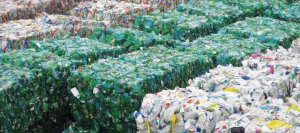
Private waste management campaigns have also been initiated in multiple parts of the country such as Kerala, Goa and Mumbai. Not only this, but due to widespread awareness of waste production, numerous groups, couples, educational institutions and NGOs have begun conducting ‘cleanliness drives’ which aim to make the best usage of wastes and clean up public ‘junk-hubs’ such as beaches and grounds.
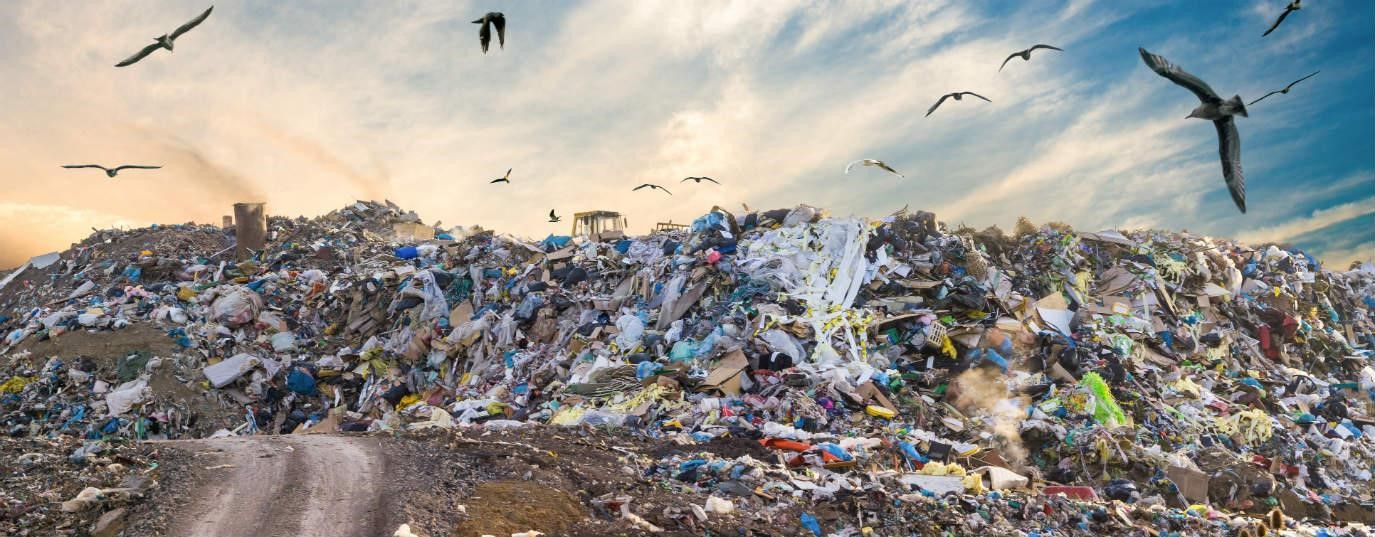
Private firms have introduced strategies and come about programs and courses of actions to manage wastes and reduce their productivity of scrap. Initiatives such as measuring business waste which is to visualize what goes into the bin and finding out and attempt to recycle, reduce and reuse the wastes. Reducing wastes going to landfill have been great assets to the environment as well as associations’ image. Landfills have turned out to be one of the prime reasons for the rapid spread of most communicable diseases which have been observed as lethal for an enormous population. Consequently, ways to control and reduce dumping in the landfills by associations are necessary and primary preventive actions that are being taken in order deduct waste production.

https://www.everythingconnects.org/landfills.html
Another perceptive initiative taken by both private and government corporations as well common households is that of segregation and identification of waste. This way, most usable material is saved from turning to waste and getting discarded. Also, segregation of waste has provided abundant assistance in disposal of wastes and has increased the recycling rate drastically.
________________________________________________________________________
Read Also : WHO warns Coronavirus Crisis is Going to Get Worse and Worse! Global Infections rose above 13 Million!,
________________________________________________________________________
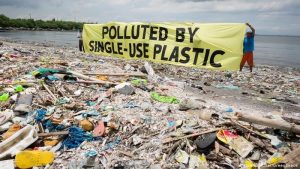
Lastly, international waste management projects conducted by organizations such as the United Nations have been able to acknowledge a large population across the globe and taught as well as inspired them to take precautions and measures in order to prevent the loss that is probable to be faced in the near future by mankind. Decrease in waste production has been possible largely due to dedicated experiments such as the ‘UN Environment Programme’.
https://www.dw.com/en/un-resolves-to-end-ocean-plastic-waste/a-41690999
Conclusively, I believe it would be safe to say that waste production is one of the man-made evils created by mere selfishness and carelessness that has to be fought globally in order to secure a living future for all. Preventive and precautionary measures for the reduction of waste production are a must for survival in the present day. Appropriate and well-thought disposal of waste shall be carried out on a daily basis and it is our responsibility as residents of the planet to assure that no resources are inattentively wasted and all material is used smartly and to the mere most of it.
“As consumers, we have so much power to change the world just by being careful in what we buy.”
~ Emma Watson
Tags: #ecofriendly, #environment, #getgreengetgrowing, #gngagritech, #gogreen, #greenstories, #junk, #plastic, #plasticfree, #recycle, #recycling, #sustainability, #waste, #wastemanagement, #zerowaste