The metallic insect has not been seen since 2016.
 CHASE KIMMEL VIA FLORIDA MUSEUM
- Blue calamintha bees have been spotted in Florida for the first time in years.
- The bees are so rare that researchers were not sure if they were extinct.
- The insect is listed in Florida’s 2019 State Wildlife Action Plan under the “Species of Greatest Conservation Need.”
An “ultra-rare” blue bee species, known as the calamintha bee, has been spotted in Florida for the first time since 2016. Chase Kimmel, a postdoctoral researcher at the Florida Museum of Natural History (FMNH), first rediscovered the metallic insect in March.
“I was open to the possibility that we may not find the bee at all so that first moment when we spotted it in the field was really exciting,” Kimmel said in a statement released by the FMNH.
Kimmel and his adviser, Jaret Daniels, director of the museum’s McGuire Center for Lepidoptera and Biodiversity, are currently studying the blue bee’s population status, distribution, nesting, and feeding habits as part of a two-year research project.
Although the coronavirus pandemic has slowed down their efforts, Kimmel and Daniels are doing their best to collect data before the blue bees flight season—which occurs from March to mid-May—comes to an end. Here’s everything we know about this miraculous insect so far.
What do blue bees look like?
Calamintha bees don’t look anything like your average honey bee: They’re blue and black, instead of black with orange or yellow markings. It also has unique facial hairs to collect pollen as it moves its head back and forth.

CHASE KIMMEL VIA FLORIDA MUSEUM
This species of bee, scientifically known as Osmia calaminthae, is considered a solitary bee, meaning they tend to create individual nests (in existing ground burrows or holes in dead trees) unlike a honey bee hive.
While Kimmel hasn’t found any blue calamintha nests, their research team created bee “condos,” featuring 42 nest boxes, in locations where the bees have been located. Each box contains different substances and depths so they can discover the bee’s nesting preferences. They will continue to check the condos periodically throughout the year.

The blue bee nesting condos.CHASE KIMMEL VIA FLORIDA MUSEUM
Read Also : 10 Ayurveda tips to boost your immunity for Coronavirus Prevention,
Where do the blue bees live?
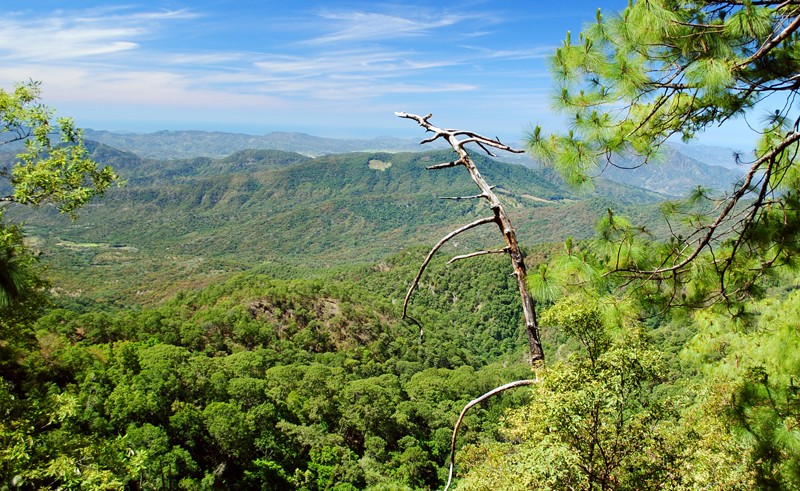
Researchers have only located the blue calamintha bee in the Lake Wales Ridge region of Florida, one of the oldest natural scrub communities in Florida. In 2015, the U.S. Fish and Wildlife Service report recognized it as a “biodiversity hotspot and one of the nation’s fastest-disappearing ecosystems,” the FMNH reports. With patches of pine scrub and orange groves, this area allows specialized species like the blue calamintha bee to thrive.
Kimmel located the bee in three of its previously known locations and six new places as far as 50 miles away. Previously, the bee has only been recorded in four locations within 16 square miles of Lake Wales Ridge. “This is a highly specialized and localized bee,” Daniels said.

Ashe’s calamint flowers in Lake Wales Ridge.CHASE KIMMEL VIA FLORIDA MUSEUM
Aside from one other flower, the blue calamintha bee has only been found on Ashe’s calamint, which is a bushy shrub native to Florida and Georgia. According to the FMNH, this species of flower is also threatened.
“It’s one thing to read about habitat loss and development and another to be driving for 30-40 minutes through miles of orange groves just to get to a really small conservation site,” Kimmel said. “It puts into perspective how much habitat loss affects all the animals that live in this area.”
The researchers are hopeful that, after rediscovering the blue calamintha bee in Florida, they will be able to fill the gaps. “It shows how little we know about the insect community and how there’s a lot of neat discoveries that can still occur,” Kimmel said.
Tags: #apiary, #bee, #beehive, #beekeeper, #beekeepers, #beekeeping, #bees, #beesofinstagram, #bienen, #flowers, #getgreengetgrowing, #greenstories, #honey, #honeybee, #honeybees, #honeycomb, #insects, #macro, #nature, #savethebees, #gngagritech