Simply put, agroforestry means combining agriculture and trees.
Agroforestry is a land management approach with multiple benefits. Planting trees, shrubs and hedges on farms can give farmers healthier soil and higher yields – not to mention creating vital homes for wildlife.
A symbiotic relationship
Tree roots reach deep into the ground, releasing much-needed carbon into the soil. They cycle nutrients and bind the soil together, preventing it from being eroded by the wind or the rain.
_______________________________________________________________________
Read Also: ELEGANT & EFFICIENT: BEST PRACTICES IN AGRICULTURE
________________________________________________________________________
What are the types of agroforestry?
There are two main types of agroforestry:
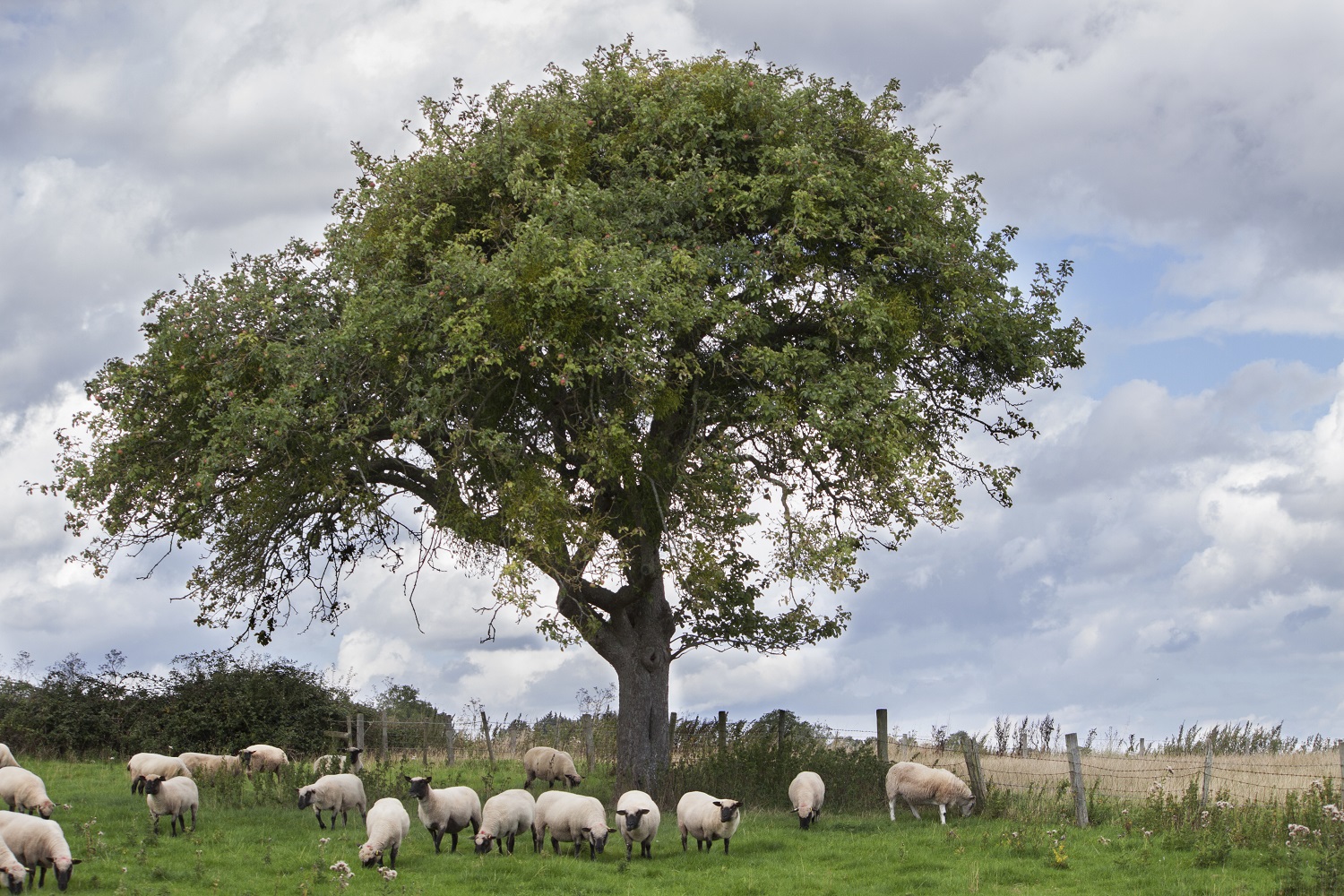
1. Silvo-pastoral agroforestry: which means the grazing of animals under trees. The animals enrich the soil while the trees provide shelter and fodder for the animals.
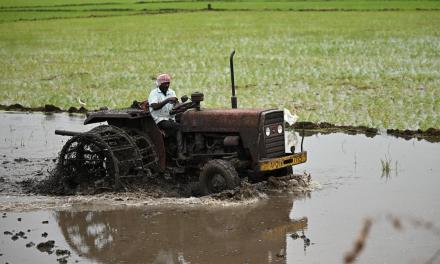
2. Silvo-arable agroforestry: where crops are grown beneath trees, often in rows which are large enough for a tractor to tend to the crops without damaging the trees. This is farming in 3D, the trees and the crops occupy different levels above ground, and also below ground where the tree roots will reach down deeper than the crops.
Other types of agroforestry include hedgerows and buffer strips, forest farming – cultivation within a forest environment, and home gardens for agroforestry on small scales in mixed or urban settings.
Trees also provide vital habitats for wildlife. They help farmers by housing natural predators to many common crop pests, thus reducing the need for pesticides.
Not only that, but agroforestry can protect food production from the effects of climate change. Trees can be harvested to offer an alternative income if one crop fails.
_______________________________________________________________________
Read Also: 15 Magical Benefits of Eating Star Fruit (Carambola) on Your Skin And Body
________________________________________________________________________
Agroforestry has been practised for millennia across the world, and was widely used in the UK before farming was industrialised in the last century. We need to explore how more people can benefit from this way of farming.
Why isn’t agroforestry more common?
Unfortunately, not many farmers have come across agroforestry. Even if they understand the benefits, converting your farm can be a daunting task: someone who expertly manages a dairy farm may not feel so confident starting from scratch growing chestnuts!
Short-term farm tenancies are also a problem, because they discourage farmers from making long-term investments. It can be years before trees start to bear fruit or can be harvested to pay themselves off. Luckily, these challenges can be overcome. More and more UK farmers are beginning to experiment with agroforestry, and they’re already starting to see improvements in resilience, biodiversity and soil health.
Our Chief Executive, Helen Browning, has just started planting an ambitious agroforestry project at her organic farm near Swindon. You can find out more about Helen’s agroforestry project here.
Agroforestry for the future
Agroforestry has huge potential to create positive change for the farming landscape in the UK, and there are currently several trials taking place investigating its potential.
______________________________________________________________________
Read Also: Smart Farming: The Future of Agriculture
______________________________________________________________________
As well as a massive positive impact on the soil, the environment and wildlife, agroforestry also boosts productivity. Diverse systems are more productive than monocultures. Tree roots reach down below those of cereals or vegetables which means you can get more crops from the same acre.
The future for agroforestry looks bright. It has already been rated as one of the most promising systems for the ‘sustainable intensification’ of farming, meaning that farmers can produce more food while also reducing negative impacts on the environment. All we need to do now is spread the word.
Tags: #agriculture, #animals, #crop, #environment, #farmer, #farms, #getgreengetgrlwing, #gngagritech, #greenstories, #pesticides, #rain, #soil, #tree, #wildlife