India’s first UNESCO-designated biosphere reserve is grappling with rapid climate shifts. Erratic rainfall, rising temperatures, water scarcity and and air pollution are disrupting agriculture (Nilgiris)
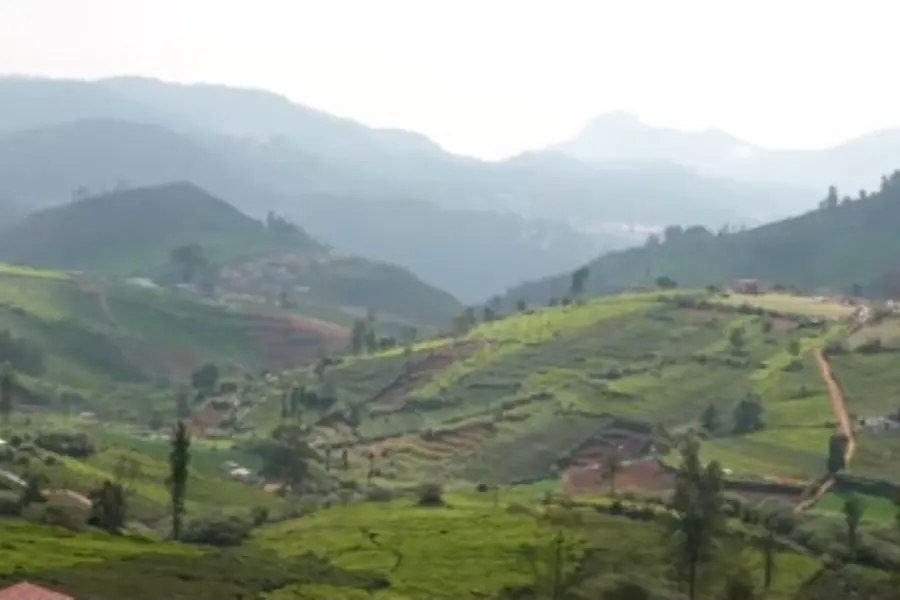
Nilgiri Biosphere Reserve — India’s first UNESCO-designated biosphere reserve and one of its most fragile mountain ecosystems — is witnessing rapid climate change, raising serious concerns over water security, livelihoods, biodiversity and public health.
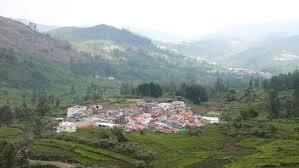
Once known for its predictable monsoons and long, cold winters, the Nilgiris now faces erratic rainfall, rising temperatures and prolonged dry spells. Residents say these shifts have disrupted agriculture, altered daily life and made traditional weather patterns unrecognisable.
The region is home to more than 3.5 lakh people, including nearly 35,000 tribal residents from around 20 indigenous communities, all of whom depend heavily on climate-sensitive livelihoods.
________________________________________________________________________
Babu, a farmer, says, “The weather conditions have totally changed. We are unable to predict. The groundwater has totally dried.”
Locals say sudden cloudbursts followed by long dry spells are becoming more frequent, leading to crop losses and increased soil erosion.
Manjusha, a local resident, says, “As far as the weather is concerned, winter weather in November is too cold and dry making it difficult for farmers. Water is also a problem – when it rains, it rains a lot and that is also difficult.”
Tea plantations — the backbone of the Nilgiris’ economy — have been hit hard by frost, erratic rainfall and prolonged dryness, affecting employment and household incomes.
Stella, a local resident, says, “During December, there was heavy frost which made the area dry. Nilgiri is filled with tea estates. Due to the weather, tea crops got dried. Hence, there was no work for anyone here.”
Air quality, once considered pristine in the Nilgiris, is also emerging as a concern. Residents report smoke settling over farmlands, while air quality index levels frequently range between 50 and 100, significantly higher than ideal for hill regions. Rising vehicle emissions linked to tourism are cited as a key factor.
________________________________________________________________________
Climate experts are now urging urgent government intervention, including stricter tourism regulations and higher green taxes to limit vehicular pollution.
According to climate researcher Janarthanan N, “One request to the government is that since the Nilgiris is a tourist destination, tourism here should.be restricted, similar to the model followed by Bhutan. The authorities should also impose higher green taxes, just as Bhutan does.”
As climate change rapidly reshapes life in the Nilgiris, residents and scientists warn that without immediate policy action, one of India’s most ecologically sensitive landscapes and the livelihoods it sustains could face irreversible damage.
NOTE – This article was originally published in Mathrubhumi and can be viewed here
Tags: #climate, #climatechange, #climatecrisis, #environment, #getgreengetrowing, #gngagritech, #greenstories, #marinelife, #marinepollution, #nilgiri, #Nilgiris, #ocean, #rainfall