What is organic farming? More and more people are looking to avoid pesticides, genetically-modified crops and single-crop growing practices (mono-cropping) from their food. Since 2018, U.S. organic foods and goods sales have broken the $50-billion mark. But that doesn’t always mean organic farming is sustainable, for either the environment or the farmers growing the crops. The same powerful big-ag corporations still own many of the most popular organic brands on the market.
“Buy Organic Products Online at best prices at http://www.getgreen.co.in “.
That’s where the work of our partners, and allies like the African Centre for Biodiversity (ACB), comes in. They’re pushing for sustainable organic agriculture, also known as agroecology. In places like Zambia in southern Africa, farmers are building a movement to challenge not only pesticides and mono-cropping, but the corporate capture of farming as a whole. In place of these, they are combining modern science with traditional knowledge.
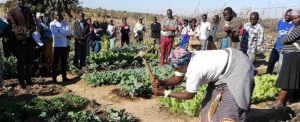
Between May and July, ACB joined other small-holder-farmer organizations to host four trainings and exchanges. Groups like the Kanchomba Farming Institute (KFI), Zambia Alliance for Agroecology and Biodiversity (ZAAB), and East and Southern Africa Farmers’ Forum (ESAFF) Zambia brought out over 100 people. Below are excerpts from a series of ACB reports and briefing papers.
Read Also : Hundreds of fish species, including many we eat, are consuming plastic
SHARING AGROECOLOGY
As one report states: “In Zambia, food and farming systems have changed rapidly, and for the worse. Increasingly, farmers use chemicals and poisonous inputs, which they need to purchase. The nation’s agriculture budget subsidizes fertilizer and seed through the Farm Input Support Programme (FISP).” The FISP enriches big companies while the soil wears away and a few cash crops chip away at biodiversity.
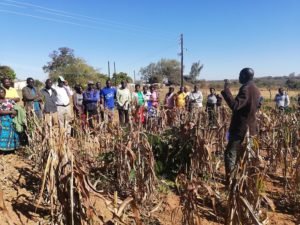
It continues: “Participants visited the host farmer Mercy Shibeleki’s kitchen garden and the farm of Noel Chalimbwa, a seed custodian working with CTDT [Community Technology Development Trust].” This sparked a discussion on the merits of various agroecology techniques. That includes producing and using manure, compost and organic liquid fertilizer, and dealing with pests.
Another piece reports on the challenges facing southern Zambia. Severe droughts in recent years have made the already hot, dry climate near Pemba even worse. “The current farmer input support programme (FISP), with its strong bias to chemical fertilizers and hybrid maize seeds, has not resulted in sustainable farming practices nor has it enhanced climate resilience.”
What is organic farming without GM-free seeds? “And yet, while 75% of seed is still accessed through the farmer seed system, the knowledge of how to maintain indigenous seed varieties, which is linked to the preparation of local foods, is under threat.”
Read more : ‘Everywhere we looked’: trillions of microplastics found in San Francisco bay
TESTIMONIALS FROM FARMERS
Here’s what farmers have to say about organic farming.