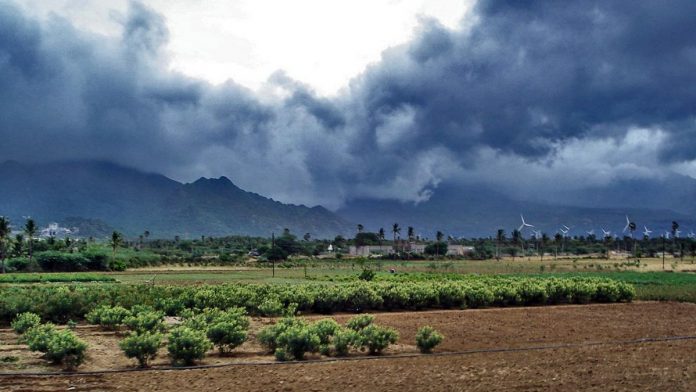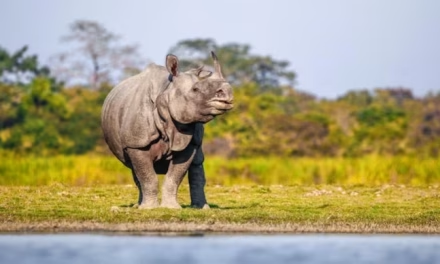
Countries like Albania, Spain, Greece, Italy, Japan, the US, Indonesia, the Netherlands, Iceland, and Thailand are shifting their focus from mass tourism to sustainable economic growth, social progress, and environmental sustainability. This change stems from the growing realization that mass tourism, while boosting immediate revenue, often leads to environmental degradation, overcrowding, and economic imbalances. For example, mass tourism in Italy and Greece has long been a double-edged sword—bringing in large numbers of visitors but also contributing to pollution, strained infrastructure, and the displacement of local communities.
In contrast, Albania is embracing sustainable tourism by promoting eco-tourism and cultural preservation, aiming to balance growth with environmental care. Spain and the Netherlands are incorporating green policies and responsible tourism initiatives to protect their natural landscapes and cultural heritage. Iceland, which has seen significant growth in mass tourism in recent years, is now focusing on limiting tourist numbers to safeguard its unique ecosystems, such as geothermal springs and glaciers.
________________________________________________________________________
Read Also : BIOGAS IN INDIA—PATH TO A GREENER AND CLEANER FUTURE?
________________________________________________________________________
Meanwhile, Japan, the US, and Indonesia are increasingly focused on fostering high-value tourism that emphasizes cultural exchange and local economic benefits, rather than just attracting large crowds. Thailand, with its vast array of natural wonders, is also prioritizing sustainability in its tourism sector by promoting conservation efforts and eco-friendly accommodations.
Ultimately, countries like Albania, Spain, Greece, Italy, Japan, the US, Indonesia, the Netherlands, Iceland, and Thailand recognize that moving away from mass tourism is crucial for long-term economic stability, social well-being, and environmental health.

The global tourism industry has long been synonymous with economic benefits, offering countries the opportunity to boost local economies, create jobs, and support infrastructure development. However, in recent years, a noticeable shift has occurred, with many countries focusing less on mass tourism and more on achieving long-term objectives like sustainable economic growth, social progress, and environmental sustainability. This transition marks a significant departure from the traditional tourism model, which often prioritized short-term revenue generation over the broader well-being of communities and ecosystems.

Countries around the world are reassessing the impact of tourism, especially mass tourism, and considering how they can manage their natural and cultural resources more responsibly. As they pivot toward more sustainable tourism models, they are also reimagining the role of tourism in contributing to broader national development goals. From reducing environmental degradation to promoting social equality and fostering local entrepreneurship, nations are recognizing the importance of focusing on quality tourism experiences that benefit everyone involved, rather than simply attracting large volumes of tourists.
________________________________________________________________________
Read Also : Progress made on global agreement on chemical and waste management
________________________________________________________________________
This growing realization is especially true in the context of a post-pandemic world, where travelers and governments alike are reassessing what truly matters. The pandemic revealed vulnerabilities within the global tourism industry and underscored the need for diversification in economies that depend heavily on tourism. In this article, we explore why countries are shifting their focus and why the future of global tourism looks quite different from the mass tourism model that dominated the industry for decades.
Economic Growth Beyond Mass Tourism
For many nations, tourism has traditionally been seen as a quick way to drive economic growth. Tourists bring in valuable foreign exchange, increase demand for local goods and services, and create jobs in hospitality, transportation, and retail sectors. However, over-reliance on mass tourism can lead to several negative economic consequences.
Mass tourism often focuses on volume rather than value. While millions of visitors may flock to popular destinations, this influx can lead to economic leakage, where the majority of the financial benefits go to international corporations or multinational hotel chains rather than staying within the local economy. Additionally, the heavy reliance on tourism can expose economies to the volatility of global events like natural disasters, economic crises, or pandemics.
As a result, countries are now looking to diversify their economies, investing in sectors like technology, education, renewable energy, and agriculture to create more resilient and sustainable sources of income. By prioritizing economic growth that is not solely reliant on tourism, nations are positioning themselves for long-term stability. This approach involves creating more opportunities for citizens, fostering innovation, and expanding local industries beyond the traditional tourism-driven economy.
In places like Iceland, for example, the government has pushed to promote sectors like technology and manufacturing, while still maintaining tourism as a supplementary industry. By doing so, Iceland can generate economic growth without becoming overly dependent on tourism, ensuring that the country’s economy remains resilient in the face of changing global conditions.

Social Progress and Tourism: A New Path Forward
Mass tourism, while beneficial for some communities, has often been criticized for its negative social impact. The influx of large numbers of visitors can exacerbate existing social inequalities, create overcrowded cities, and drive up the cost of living for locals. In popular tourist destinations, the need for affordable housing can be overshadowed by the demand for hotels and short-term rental properties. In turn, this can push local residents out of their neighborhoods and lead to the gentrification of entire communities.
To address these issues, many countries are rethinking their tourism policies and how tourism fits into their broader social development agendas. By focusing on social progress, nations are seeking to make tourism a force for good. The goal is to ensure that tourism benefits local populations, improves social services, and enhances overall quality of life.
Governments are increasingly investing in education, healthcare, and infrastructure to ensure that tourism growth is inclusive. For example, nations like Thailand and Bali have introduced measures to ensure that locals benefit from tourism, whether through training programs, local artisan markets, or community-led eco-tourism initiatives. These initiatives aim to create a more equitable distribution of the economic benefits of tourism, with local communities having a more direct stake in the industry.
________________________________________________________________________
Read Also : Solar-Powered Reactor Converts CO2 and Plastic Waste Into Sustainable Fuels
________________________________________________________________________
In countries like Costa Rica, eco-tourism is promoted as a way to balance environmental sustainability with social progress. The country’s commitment to preserving its natural resources while promoting tourism has led to better living standards for local communities, creating jobs in sustainable agriculture, conservation, and eco-friendly hospitality.
By focusing on social progress, nations are aiming to create a more inclusive model of tourism that helps bridge gaps between urban and rural communities, promotes cultural preservation, and enhances the well-being of all citizens.
Environmental Sustainability: Protecting Resources for the Future
The impact of mass tourism on the environment is one of the most pressing concerns in the travel industry today. Popular tourist destinations suffer from over-tourism, where the sheer volume of visitors overwhelms local resources. This can lead to environmental degradation, including damage to ecosystems, pollution, and the depletion of natural resources.
The environmental toll of mass tourism is particularly evident in fragile ecosystems such as coral reefs, coastal areas, and national parks. The excessive use of water, energy, and land during peak tourist seasons puts a strain on these resources and harms the delicate balance of ecosystems.
Recognizing the long-term consequences of these actions, countries are now embracing sustainability as a core principle in their tourism strategies. From stricter regulations on waste management to the promotion of carbon-neutral travel options, nations are prioritizing sustainability in tourism. This includes not only minimizing the environmental impact of tourism but also enhancing the resilience of natural habitats.
Countries like New Zealand have set ambitious sustainability goals for their tourism sectors, implementing eco-friendly initiatives and encouraging tourists to follow responsible travel practices. Similarly, Bhutan’s “High Value, Low Impact” tourism policy ensures that tourism contributes to environmental conservation while protecting the country’s cultural heritage.
Beyond policy changes, many countries are investing in sustainable infrastructure, such as green hotels, eco-friendly transport systems, and renewable energy sources. By adopting these measures, countries are not only safeguarding their natural resources but also positioning themselves as leaders in the global movement toward sustainable tourism.
The Shift to Quality Over Quantity: A New Paradigm
In recent years, many countries have adopted a “quality over quantity” approach to tourism. Rather than focusing on attracting millions of tourists, the focus is now on attracting higher-value visitors who contribute to the local economy in meaningful ways. These visitors often stay longer, spend more money on local goods and services, and support niche markets such as cultural tourism, culinary tourism, and eco-tourism.
This shift has been particularly evident in places like Europe and Southeast Asia, where destinations are beginning to limit the number of tourists allowed to visit certain attractions. For instance, cities like Venice and Barcelona have introduced measures to manage overcrowding and ensure that tourism does not negatively impact the daily lives of locals.
In the Caribbean, nations like the Bahamas are promoting luxury and experiential tourism, catering to affluent travelers who seek unique and personalized experiences. These travelers are more likely to support local artisans, dine at family-owned restaurants, and stay in boutique accommodations, creating a more sustainable economic model for tourism.
By prioritizing quality tourism, countries are fostering a more sustainable future for the industry, one that values cultural exchange, environmental stewardship, and community engagement over sheer visitor numbers.
Conclusion: A Vision for Sustainable Tourism
The shift away from mass tourism toward a model based on economic growth, social progress, and environmental sustainability reflects a growing recognition that long-term success depends on a balanced approach. Countries are embracing new tourism strategies that prioritize quality over quantity, ensuring that tourism contributes positively to the well-being of communities and the preservation of natural resources.
As global tourism recovers in 2025 and beyond, this paradigm shift will likely define the future of the industry. The focus on sustainable tourism will not only protect the world’s most beloved destinations but also create new opportunities for travelers and communities alike. By moving beyond the traditional mass tourism model, countries can build a more resilient, equitable, and sustainable future for tourism that benefits both travelers and the planet.
NOTE – This article was originally published in travelandtourworld and can be viewed here
Tags: #Albania, #climate, #environment, #environmental, #getgreengetgrowing, #gngagritech, #greece, #greenstories, #italy, #Japan, #nature, #spain, #sustainability, #tourism