
There are 1,223 UNESCO World Heritage Sites globally as of 2025. Along with monuments from the past, these sites are also a living symbol of culture, history, architecture, and biodiversity. Here is a list of the top 10 countries with the most UNESCO sites.
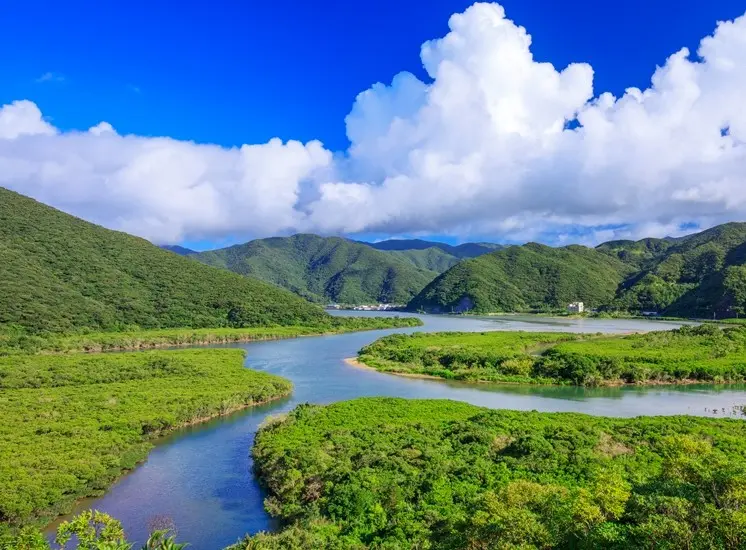
10. Japan: 26 sites
Japan, known as the ‘Land of the Rising Sun,’ holds the 10th position with 26 sites, including 21 cultural locations like temples and historic villages, and 5 natural sites such as Yakushima Island. This spot shows the rich heritage of Japan along with a commitment to preserving global cultural and ecological treasures.

________________________________________________________________________
Read Also: Intense storms in Egypt unleashed a massive swarm of scorpions from their nests, stinging…
________________________________________________________________________
9. Iran: 28 sites
Iran holds the 9th spot and has a total of 28 sites reflecting its ancient Persian roots, with sites such as Golestan Palace, Persepolis, and the Bam Citadel. The UNESCO entries of Iran showcase advanced engineering, Persian art, and religious architecture.
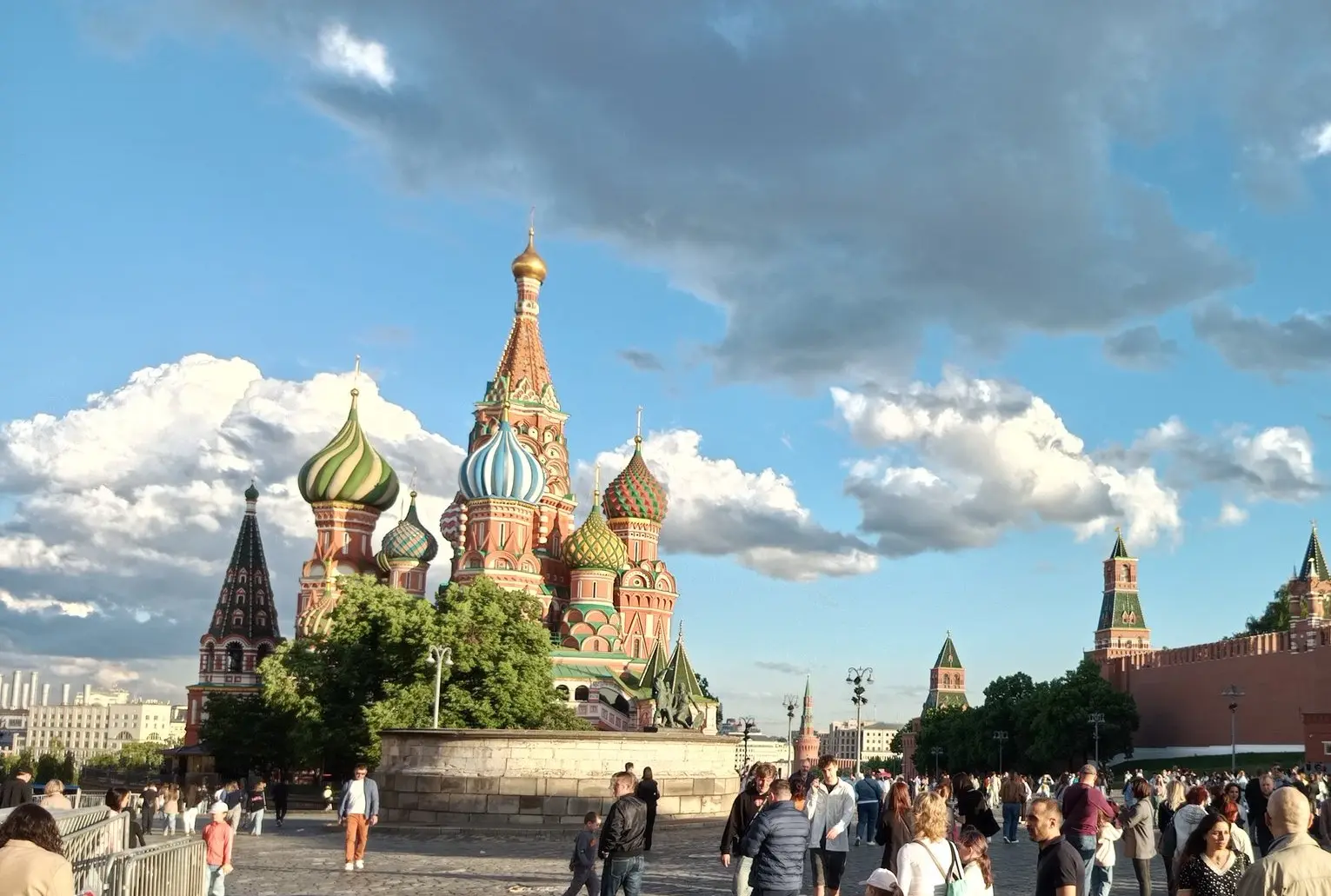

8. Russia: 33 sites
With 33 UNESCO World Heritage Sites, Russia shows a blend of rich cultural history and natural beauty. The important UNESCO sites include the architectural splendour of Saint Petersburg, the political and cultural significance of Moscow’s Kremlin and Red Square, and the pristine Lake Baikal.
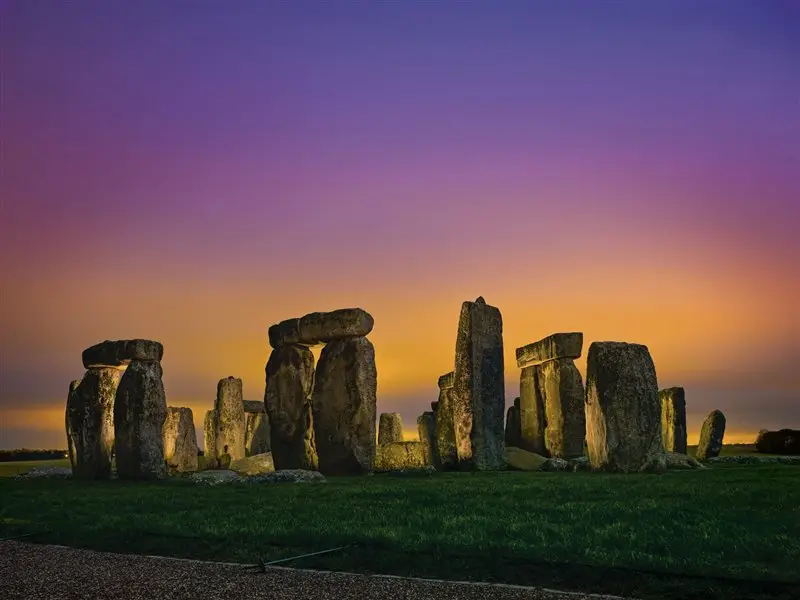
7. Mexico and UK: 35 sites each
Mexico and the UK both hold the seventh spot with 35 World Heritage Sites each. The main sites of Mexico include the historic heart of Mexico City and the magnificent Mayan ruins of Chichen Itza. And, the United Kingdom is home to famous locations such as Stonehenge, a famous prehistoric monument; Bath, with its Roman baths; and the Tower of London, a representation of British history and Georgian architecture.
________________________________________________________________________
Read Also: Nature inFocus Photography Contest 2021: Winning Photos Announced! (PHOTOS)
________________________________________________________________________
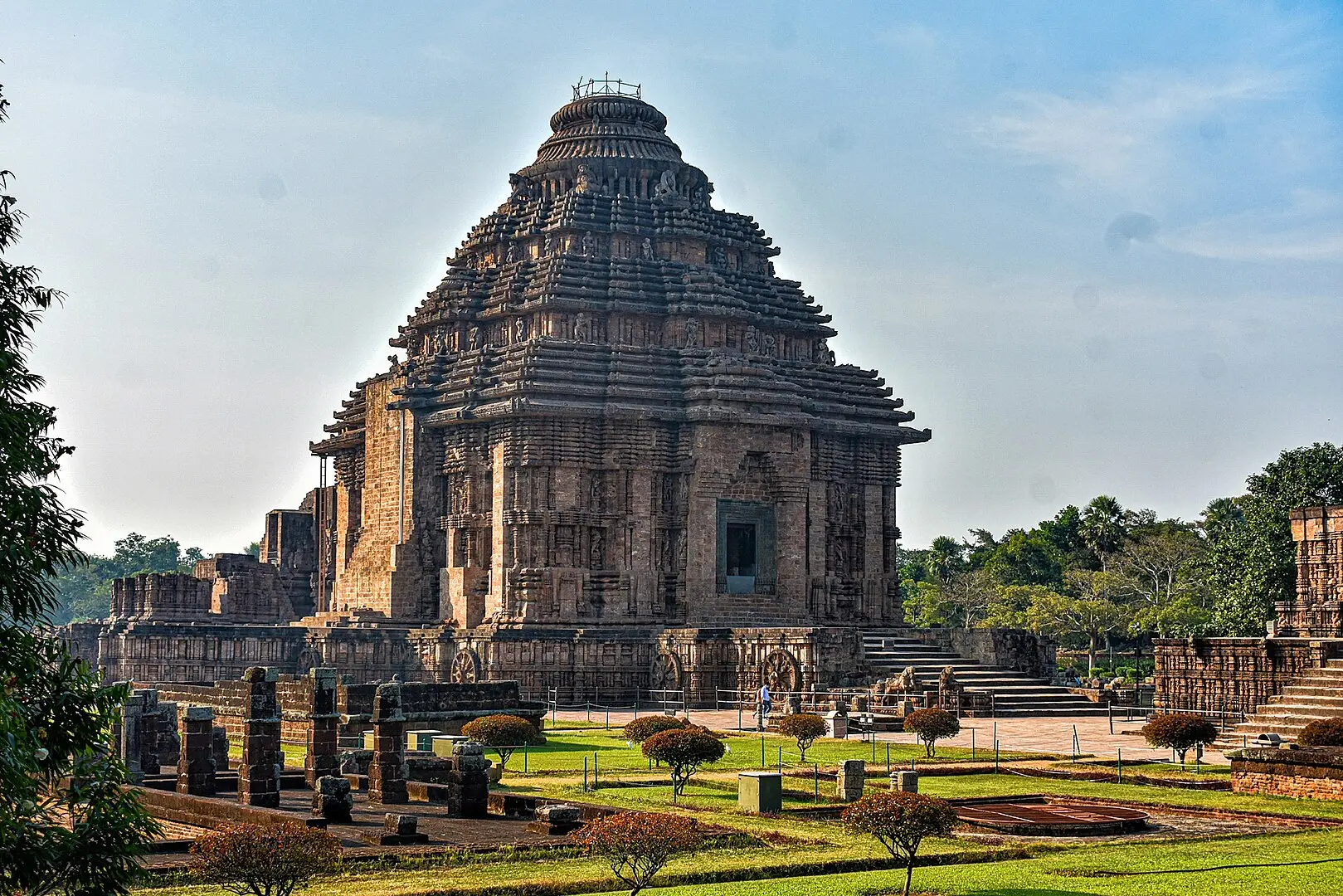
6. India: 44 sites
India is home to diverse ecological, cultural, and linguistic zones spanning from ancient temples to medieval forts. The key ancient sites include Ajanta Caves, Sun Temple, and Nalanda, and medieval sites include Qutub Minar and Agra’s Taj Mahal.
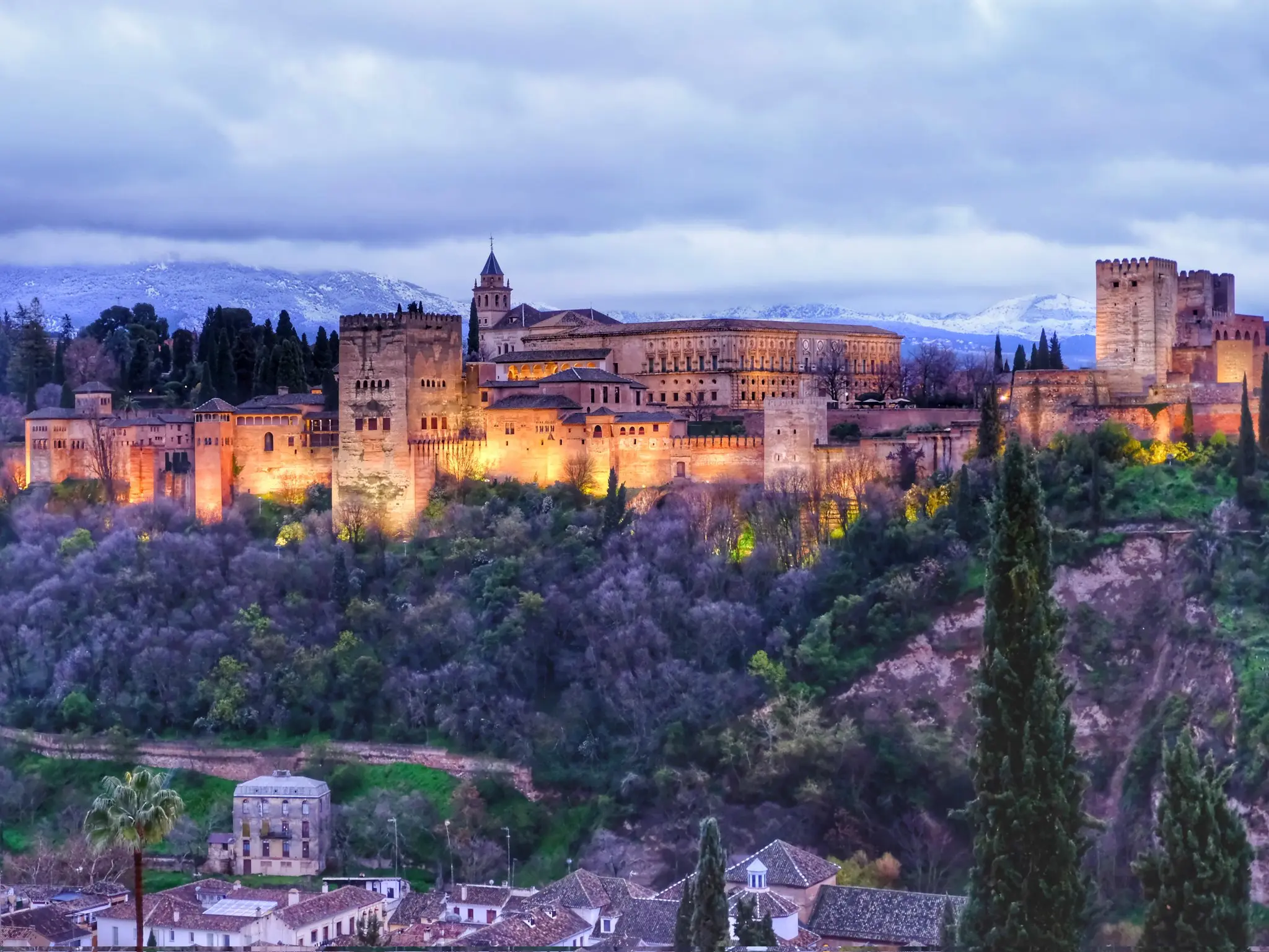
5. Spain: 50 sites
With 50 UNESCO World Heritage Sites, Spain ranks at 5th, showcasing its own rich cultural legacy. The important locations include the Alhambra in Granada, Gaudí’s architectural masterpieces in Barcelona, and Córdoba’s Mezquita-Catedral.
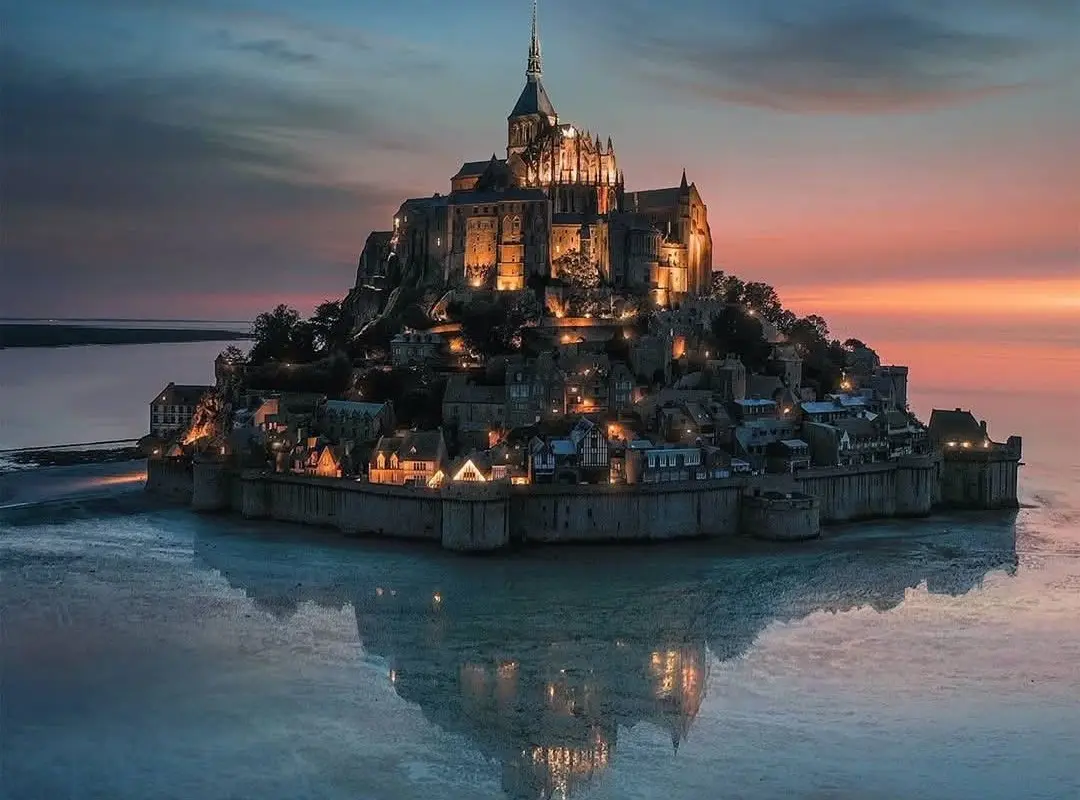
4. France: 53 sites
France holds the 4th position with 53 UNESCO World Heritage Sites, which have a vast cultural and historical legacy. The key locations of Heritage Sites include the magnificent island commune of Mont Saint-Michel, which has a medieval abbey; the Palace of Versailles; and the historic capital of Paris, which is home to famous buildings including Notre-Dame Cathedral and the Louvre Museum.
________________________________________________________________________
Read Also: Caught in fishing nets, sea snakes are dying along the Malvan coast of Maharashtra
________________________________________________________________________
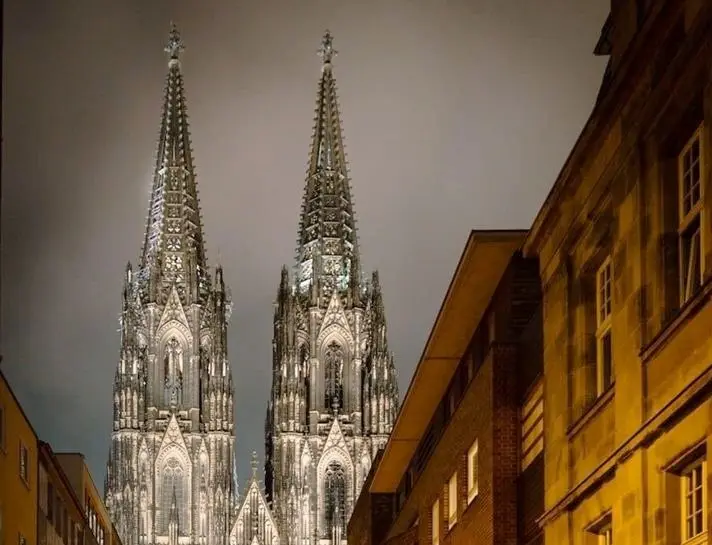
3. Germany: 54 sites
With 54 UNESCO World Heritage Sites, Germany comes in third place, showing a testament to its rich cultural heritage. The list includes Gothic cathedrals, castles, and modern-era industrial sites. In addition, sites such as the Wadden Sea, Cologne Cathedral, and Bauhaus buildings highlight a nation balancing medieval traditions.
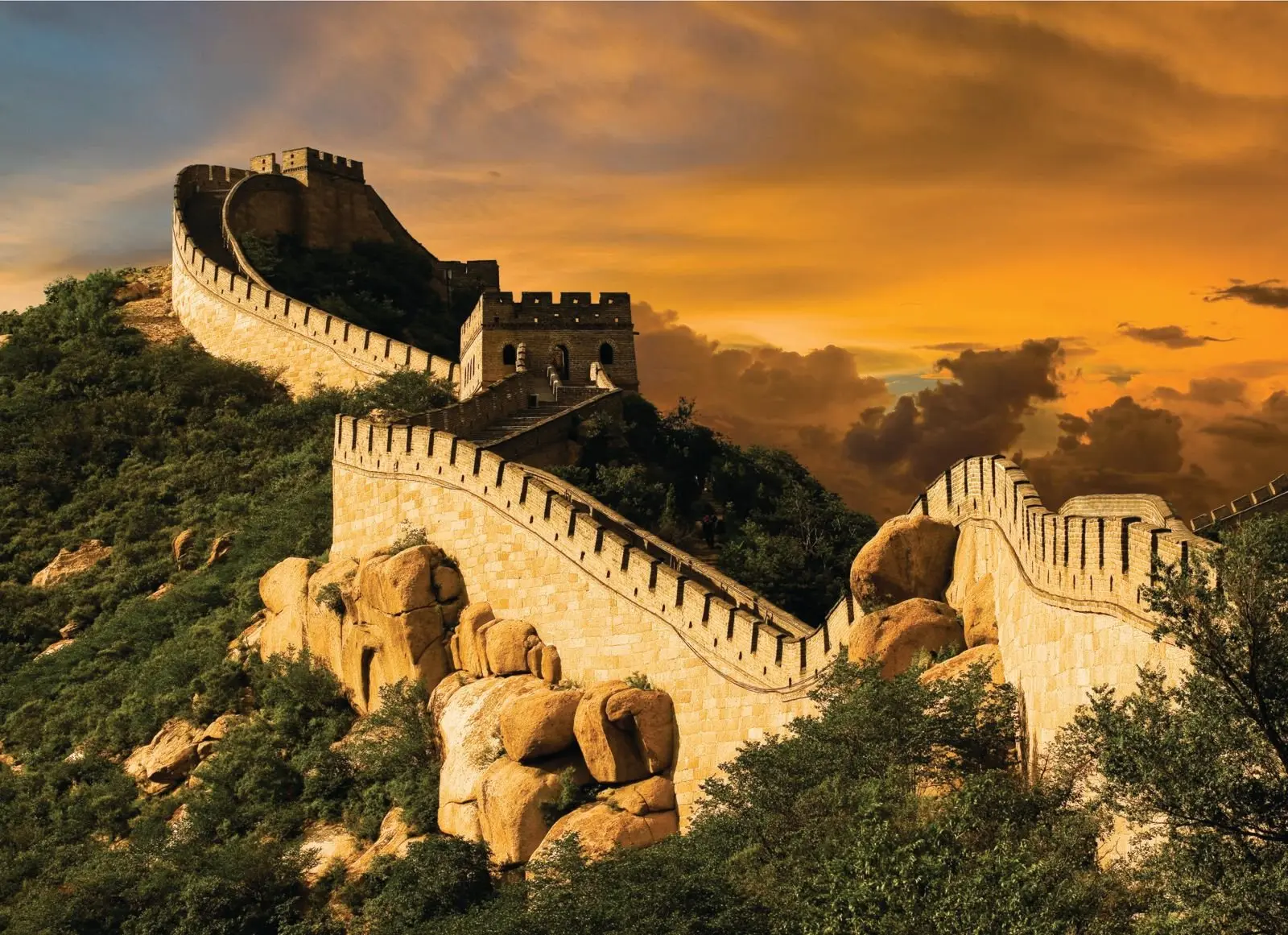
2. China: 59 sites
From the Forbidden City and Great Wall to the sacred Mount Tai and classical gardens of Suzhou, China, with 59 UNESCO-listed sites, holds the second position in the list. One of the most prominent landmarks in the world is the Great Wall of China, which is nearly 13,000 miles long.
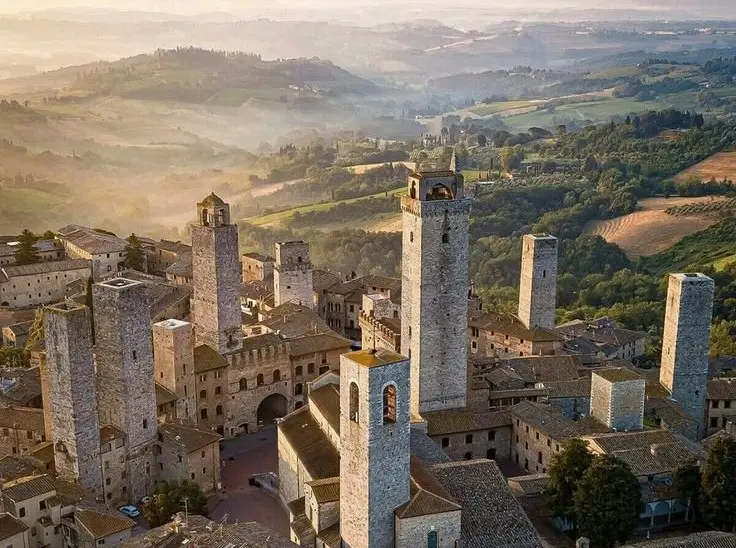
1. Italy: 60 sites
With 60 UNESCO World Heritage Sites, Italy holds the top spot, offering a rich tapestry of Roman ruins, Renaissance art, medieval cities, and natural beauty. It includes famous ruins like Renaissance treasures in Florence and Venice, Pompeii and Herculaneum, and ancient Roman wonders like the Colosseum.
NOTE – This article was originally published in wionews and can be viewed here