(Photograph: AFP)
Oslo, Norway
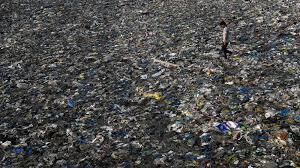
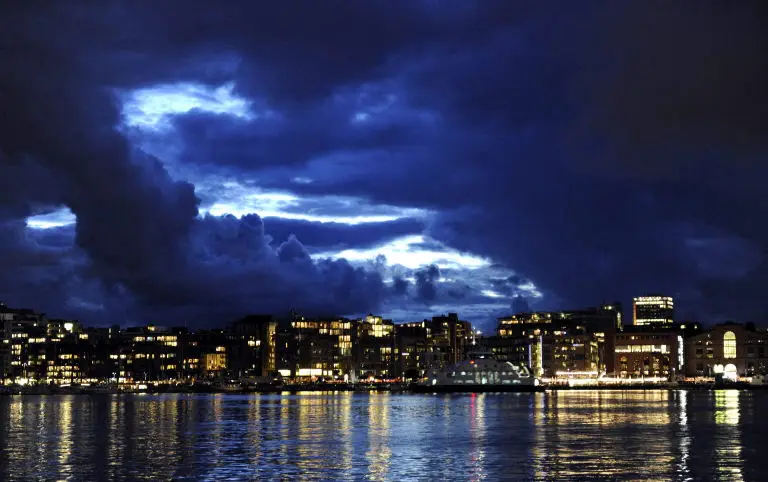
Oslo has the best air quality among all the cities in the world. As of October 24, 2025, the AQI of Oslo is 1. This is primarily due to its persistent push for reducing fossil fuels in private vehicles. By the end of 2024, almost 89 per cent of all passenger vehicles sold in Oslo were electric. By 2028, all public buses, trams, and ferries are planned to be emission-free.

(Photograph: AFP)
_______________________________________________________________________
Read Also : AQI score: 8 Indian cities with the best air quality index that you can visit to actually breathe a little
________________________________________________________________________
Detroit, USA
Detroit, as of October 24, 2025, has an AQI value of 8. However, the data collected from IQAir and corresponds to the AQI value of a particular day; it is not reflective of the historical trends. The Detroit metro area is one of the most polluted in the United States, and was ranked 6th in the American Lung Association’s 2025 “State of the Air” report, based on data from 2021-23. It was once a hub for the traditional auto industry, which contributed to the majority of its pollutants. In 2019, after years of severe campaigning, the city’s municipal solid waste incinerator, a major source of air pollution, was shut down.

(Photograph: AFP)
Algiers, Algeria
Algiers’ air quality is not consistently good, and any low AQI readings are temporary snapshots that reflect favourable weather, not underlying conditions. In reality, the bustling coastal city faces significant air pollution challenges from heavy vehicle traffic, industrial activity, and the frequent occurrence of atmospheric inversions that trap pollutants near the ground. IQAir shows its AQI value at 11.

(Photograph: AFP)
Toronto, Canada
Toronto’s AQI is extremely volatile and can swing from “good” to “hazardous” within hours or days. This is particularly due to the vehicular pollution and wildfire smoke. However, as of October 24, 2025, the AQI of Detroit is 11.
(Photograph: AFP)
Sydney, Australia
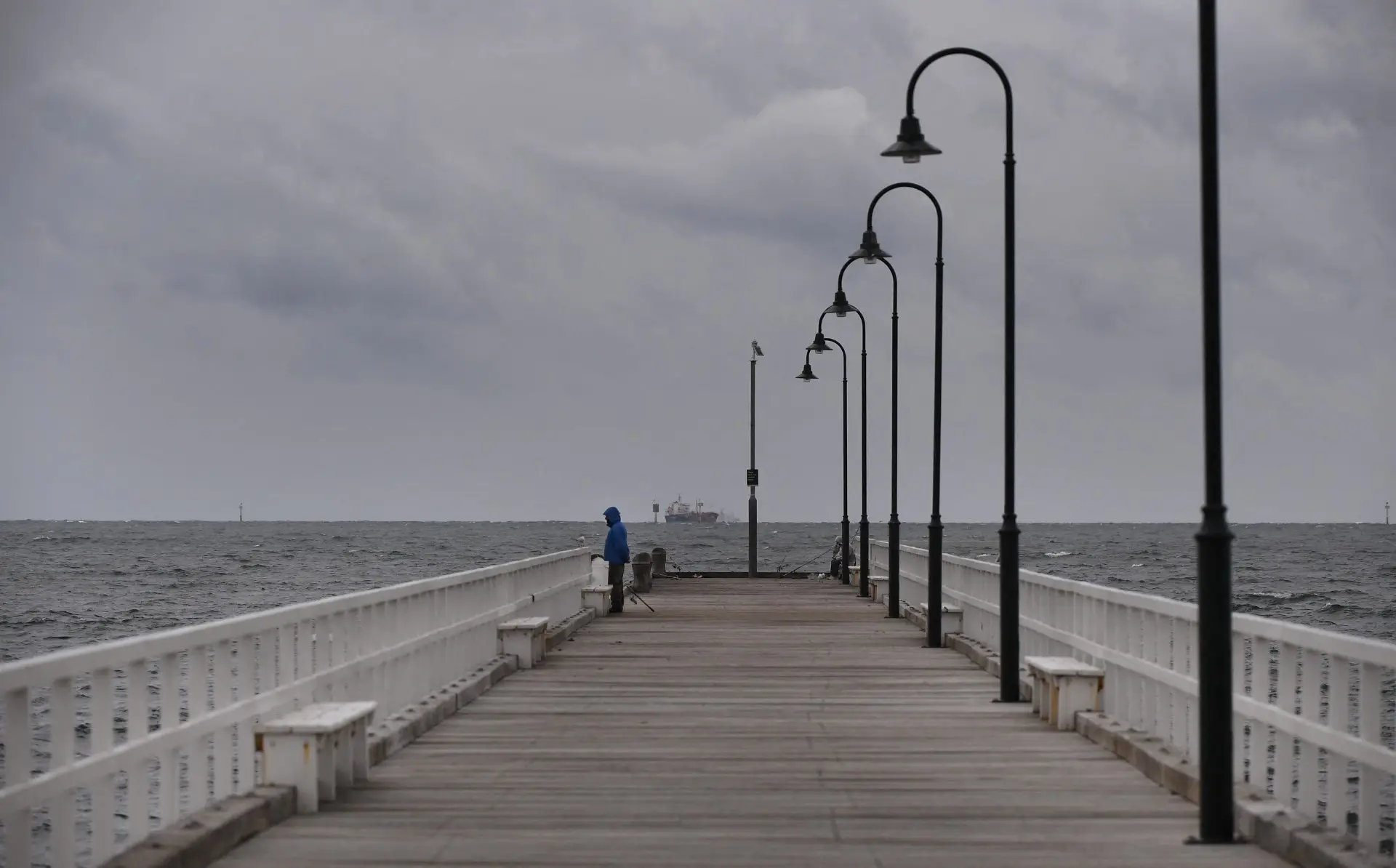
Despite being one of the largest cities in Australia, Sydney consistently enjoys a better AQI compared to other major cities globally. As of October 24, 2025, its AQI value is 16.
(Photograph: AFP)
Kuala Lumpur, Malaysia
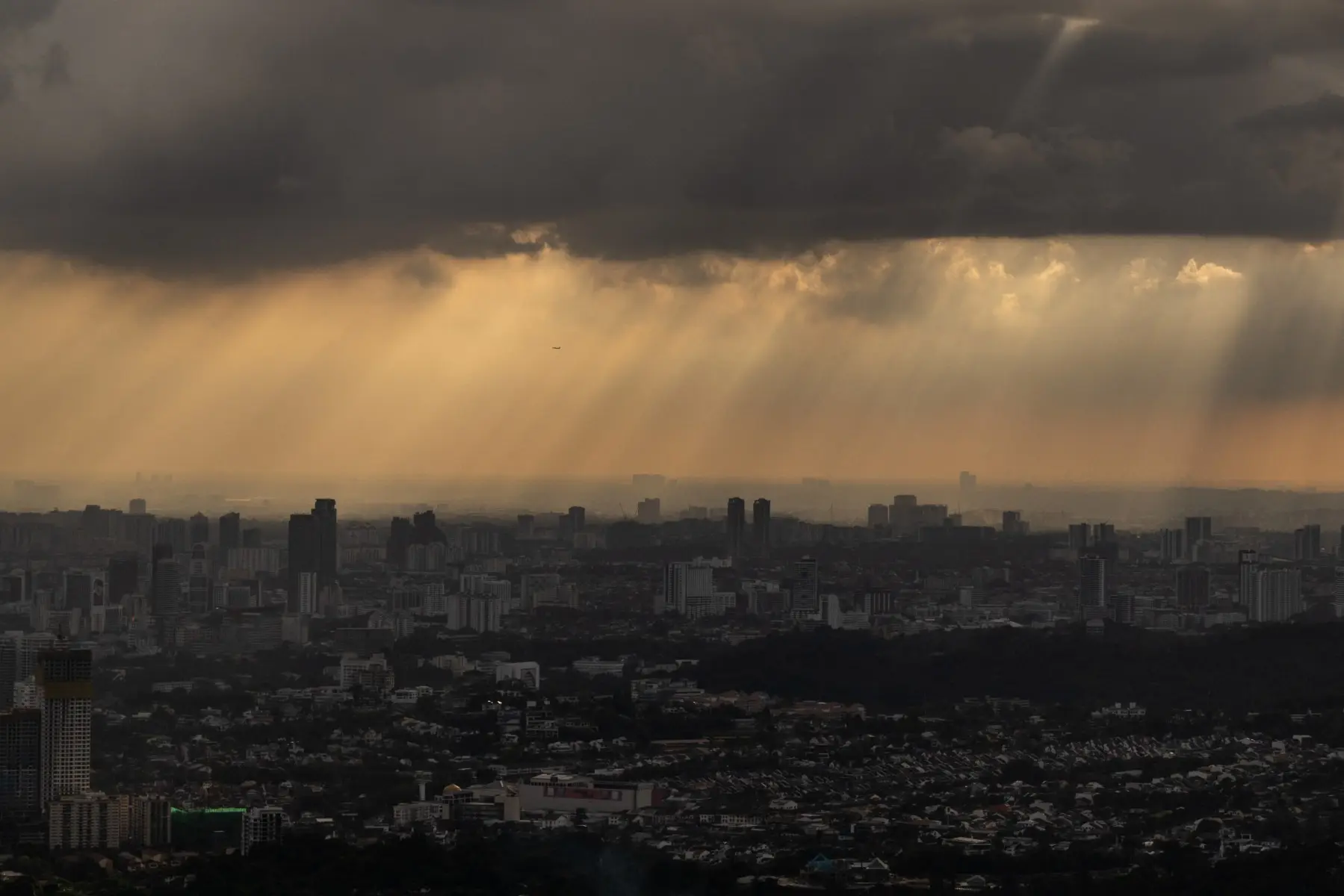
Like Detroit and Toronto, Kuala Lumpur also does not consistently show a better AQI value. This is impacted by the city’s high traffic density and haze caused by large-scale open burning of land and forests in neighbouring countries, particularly Indonesia, during the dry season. However, as of October 24, 2025, the AQI value of 17.

(Photograph: AFP)
_______________________________________________________________________
Read Also : India Pollution Tracker: Air quality index today in Delhi, Mumbai and other major cities
________________________________________________________________________
Lisbon, Portugal
Lisbon is also a fleeting snapshot; it doesn’t have consistently good AQI. As of October 24, 2025, the AQI of Lisbon is 17.
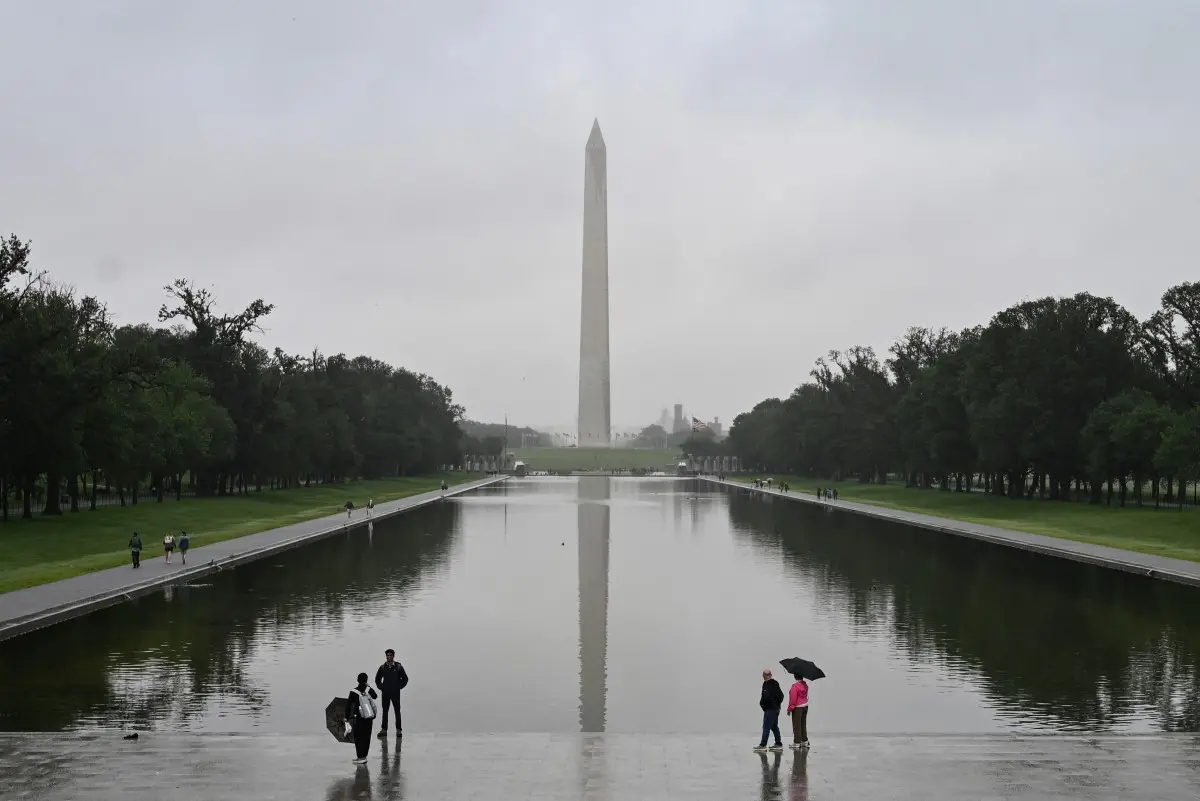
Washington, USA
Washington often reflects a good period of AQI, under a favourable atmosphere. It also suffers from poor AQI due to wildfire smoke from Canada and local vehicular emissions. As of October 24, 2025, the AQI value of Washington is 17.
(Photograph: AFP)
Salt Lake City, USA
Salt Lake also does not have a consistently good AQI value; the AQI can be low on any given day due to favourable weather. As of October 24, 2025, the AQI value of Salt Lake City is 17. But it suffers from the winter inversion phenomenon. The warmer and lighter air moves up, and the cooler air from the mountains moves in and floods the valley floor. This traps the pollutant and creates a major problem.

(Photograph: AFP)
Skopje, North Macedonia
IQAir is showing an AQI value for Skopje 18 today. Skopje is notorious for its poor air quality, not low AQI. Geographic factors, like being in a valley, trap pollutants. Key sources include winter household heating with inefficient fuels and ageing vehicles, consistently ranking Skopje among Europe’s most polluted cities.
NOTE – This article was originally published in Wion and can be viewed here