Approximately forty lakh farmer families, three lakh mill workers, and one lakh traders are intricately involved in the cultivation and processing of raw jute — a sector that was once a beacon of social welfare in West Bengal and Eastern India. But currently it is facing a looming threat of being labelled a sunset industry, writes Rajya Sabha member and former Maharashtra Minister Dr. Fauzia Khan
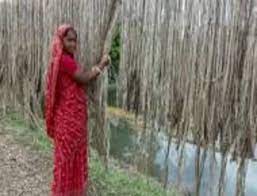
Picture the vast fields of jute, once swaying in harmony with the winds of economic prosperity. Today, however, they tell a different tale — a tale of fading demand, violated regulations, and the silent cries of farmers navigating a landscape where survival is no longer guaranteed.
_______________________________________________________________________
Read Also : Make a note of these 4 ways to consume healthy cholesterol
________________________________________________________________________
A Declining Industry Despite Regulations
Approximately forty lakh farmer families, three lakh mill workers, and one lakh traders are intricately involved in the cultivation and processing of raw jute, a sector that was once a beacon of social welfare in West Bengal and Eastern India. Despite the existence of the Jute Packaging Materials Act (JPMA) of 1987, which mandated industries like sugar to use a minimum percentage of jute bags for packaging, the jute industry faces a looming threat of being labelled a sunset industry.
The downturn in the fortunes of those associated with jute stems from non-compliance with the JPMA of the the sugar industry. The act required at least 20% of sugar to be packaged in environmentally friendly jute bags. However, the sugar industry has unabashedly flouted this provision, opting for cheaper plastic bags that inflict significant environmental harm. Consequently, jute farmers face plummeting demand and prices, receiving amounts far below the cost of production, pushing many into insurmountable debt.
_______________________________________________________________________
Read Also : Filial Cannibalism: Why Do Animals Sometimes Kill And Eat Their Own Young?
________________________________________________________________________
This non-compliance has exacerbated the challenges at a time when the demand for raw jute is already declining due to reduced packaging requirements for food grains. The consequences of the Russia-Ukraine war have further impacted the market price of wheat, leading to decreased government procurement and a subsequent reduced demand for jute bags. With the sugar industry refusing to comply with the JPMA and authorities hesitating to enforce it, it is the jute farmers who bear the brunt.
The repercussions of this extend well beyond the economic hardships faced by jute farmers. The widespread use of plastic, fuelled by the sugar industry’s non-compliance, poses environmental challenges, sidelining the eco-friendly jute. Moreover, a significant portion of India’s jute requirement is being met by imports from Bangladesh, where subsidies provide a competitive edge to their jute industry. This leaves the Indian jute sector besieged, grappling with an uneven playing field.
The Gender Impact
Jute farmers, once able to sell their produce without difficulty, now grapple with reduced sales and lower-than-MSP rates. If this trend persists, jute cultivation may become economically unviable, prompting many farmers to consider shifting to alternative crops. This transition not only affects the livelihoods of the farmers but has a disproportionate impact on women farmers. Women, constituting 63% of the agricultural workforce according to the Periodic Labour Force Survey (PLFS) Report 2021-22, are often the unsung heroes of agriculture. In the jute sector, where women predominantly constitute the labour force without owning land, they face the brunt of the industry’s struggles.
______________________________________________________________________
Read Also : Gardening 101: Jade Plant
______________________________________________________________________
Upholding Progress
In the pursuit of safeguarding India’s jute industry, recognising the plight of farmers and workers is paramount. The enforcement of existing regulations, especially the spirit of the JPMA, is crucial. Failing to do so not only endangers the well-being of the farming community but perpetuates economic disparity, particularly impacting women farmers. It is an ethical imperative to stand by the hardworking women engaged in India’s jute industry, ensuring their contributions are acknowledged and their livelihoods protected. The tapestry of Indian agriculture must be woven with threads of compassion, enforcement, and sustainability to secure a future where no farmer is left behind.
Reviving the jute industry isn’t just about protecting the past; it is sowing the seeds for a resilient agricultural future.
NOTE – This article was originally published in cnbctv18 and can be viewed here