Quick Take
- Reaching 1,316 tons of carbon sequestration requires treating beavers as a high-performance environmental workforce.
- Reducing beaver populations to 100,000 created the permanent erosion of multi-threaded freshwater systems.
- Counter-intuitively, beaver activity ensures landscapes suffer only 1/3 of the damage during extreme wildfires.
- Relocating nuisance beavers was necessary to improve fish habitats within the Tulalip Beaver Project scope.
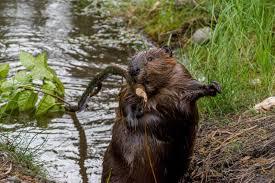
Researchers and conservationists alike recognize that beavers (Castor canadensis) are vital ecosystem engineers who can help us navigate the challenges of climate change. As keystone species, beavers are the master architects of the natural world. By constructing dams from mud and timber, they transform eroded, single-channel streams into vibrant, complex riverscapes. These habitats not only support local biodiversity but also serve as valuable assets in the fight against climate change.
Recent international research, including a landmark study in Switzerland published in Communications Earth and Environment, highlights their role in carbon sequestration. By expanding wetlands, beavers provide a “secret weapon” for achieving national carbon budgets and net-zero goals. Ultimately, they offer a “free restoration workforce” — a low-cost, high-impact alternative to human engineering that builds resilience through nature itself.
The Mechanics of Carbon Sequestration
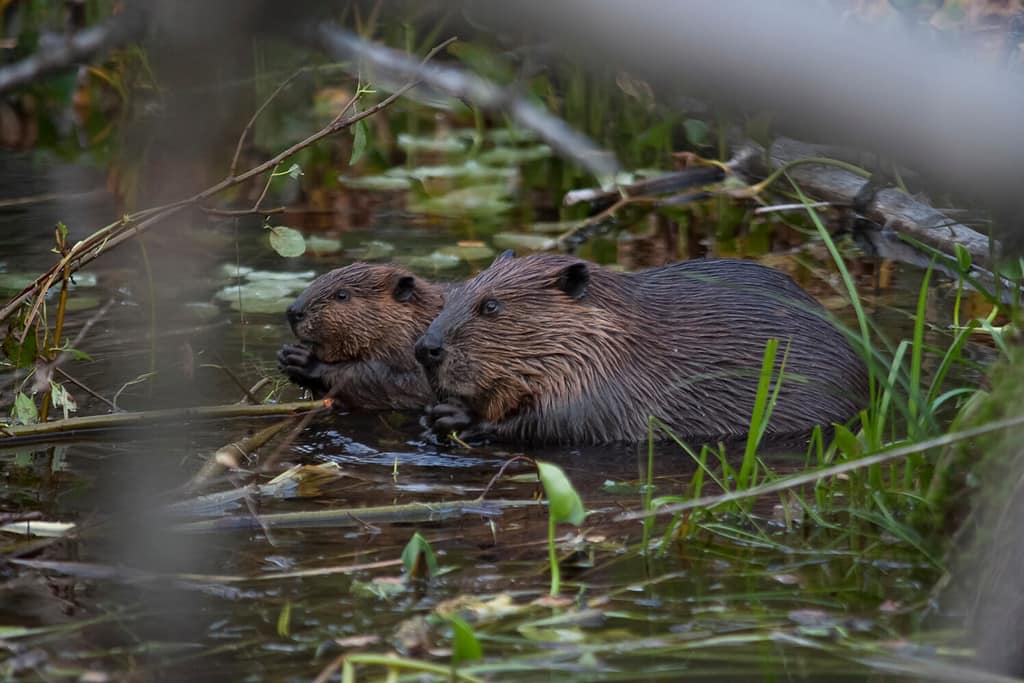
Research conducted by the University of Birmingham and Wageningen University highlights beaver-engineered wetlands as formidable natural carbon sinks. A thirteen-year study conducted in northern Switzerland reveals that these specialized landscapes have the capacity to significantly alter a nation’s carbon budget. Over the course of the study, the observed area sequestered a massive 1,316 tons (1,194 metric tons) of carbon — a storage efficiency up to ten times higher than that of rivers lacking beaver activity.
©Jarmo Saarinen/Shutterstock.com
This transformation is most evident in the soil, which contains 14 times more inorganic carbon and eight times more organic carbon than the soil in surrounding forests. By capturing an average of 108.4 tons (98.3 metric tons) of carbon every year, beavers serve as high-performance environmental architects. Their work effectively turns ordinary waterways into some of the most potent, naturally occurring carbon-capture systems on the planet.
The “Slowing” Effect
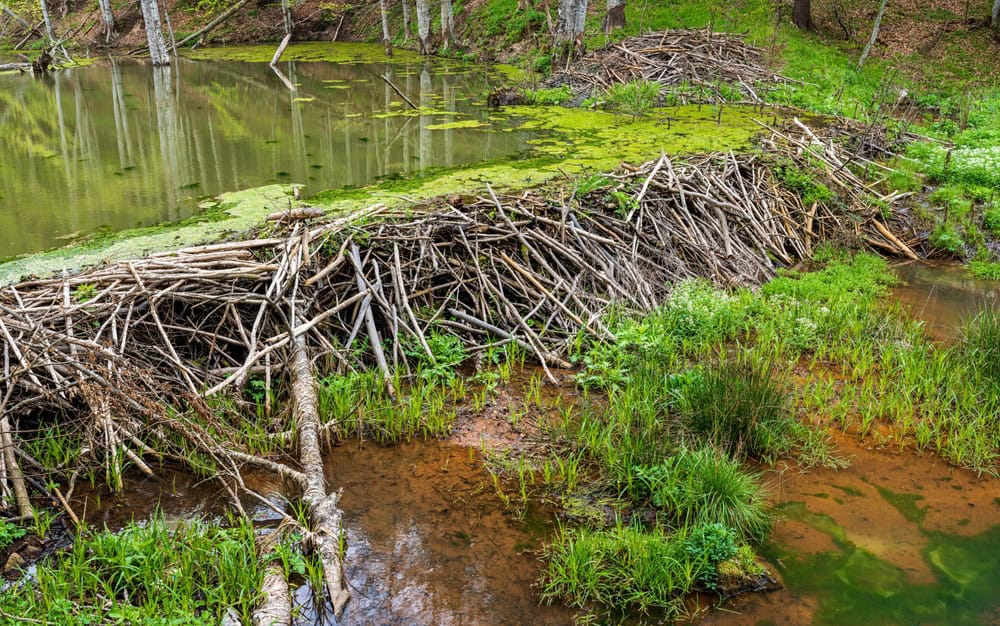
Beaver dams slow water flow and raise groundwater levels, spreading water across floodplains and forming wetlands. By obstructing the current, they cause water to spill into floodplains, resulting in expansive wetlands. As the water slows, it can no longer carry heavy debris. Instead, it traps sediments, vegetation, and deadwood that would otherwise be washed downstream.
Once this organic matter settles into the waterlogged soil, it enters an anaerobic (oxygen-poor) environment. In these conditions, decomposition slows down dramatically, effectively locking carbon away in the earth rather than allowing it to escape into the atmosphere as carbon dioxide. Additionally, carbon is stored deep underground as dissolved inorganic carbon, transported through complex subsurface pathways.
©krstrbrt/Shutterstock.com
Although there are concerns that wetlands release methane, the study found that methane emissions accounted for less than 0.1 percent of the total carbon budget. The massive volume of carbon permanently stored in the soil far outweighs these tiny releases, confirming that beaver-engineered wetlands are exceptionally reliable long-term carbon sinks.
How Beavers Shape the Landscape as Ecosystem Engineers
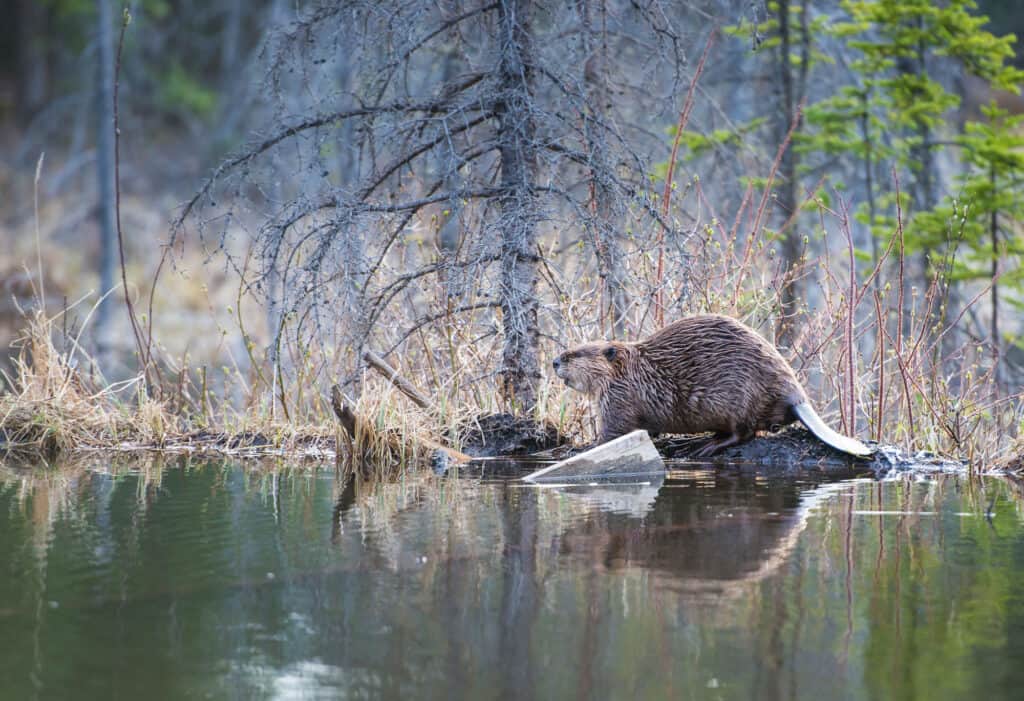
Beavers are considered “ecosystem engineers” because they fundamentally alter their physical surroundings by controlling how water moves through a landscape. Their dams create ponds and wetlands that transform simple channels into complex, multi-threaded systems.
These changes help landscapes withstand extreme conditions. Beaver-engineered wetlands act like sponges during storms, slowing water flow and storing excess water in pond complexes to reduce downstream flooding. During dry periods and heatwaves, these ponds retain water in the landscape, replenishing aquifers and maintaining water availability when it is needed most. By creating complex stream paths and raising the streambed, beaver activity reduces streambank erosion and helps reconnect floodplains to their rivers.
©iStock.com/Jillian Cooper
Natural Filtration and Water Quality
Beaver dams also act as biological filters, improving water quality. The wetlands trap sediment and pollutants, such as nitrogen and phosphorus, from agricultural and transportation runoff before these contaminants reach larger water bodies. This is increasingly critical as warming water temperatures can worsen pollution. Beaver activity can cool water temperatures (sometimes by as much as 4.5 degrees Fahrenheit), which helps support sensitive species.
These wetlands provide habitats that support insects, birds, amphibians, and mammals. Ponds and “beaver meadows” create a variety of niches, offering shade, clean water, and food-web support for many species. They are especially important for endangered species like Pacific salmon and steelhead, offering stable, high-quality habitat.
Climate Risks and Natural Firebreaks
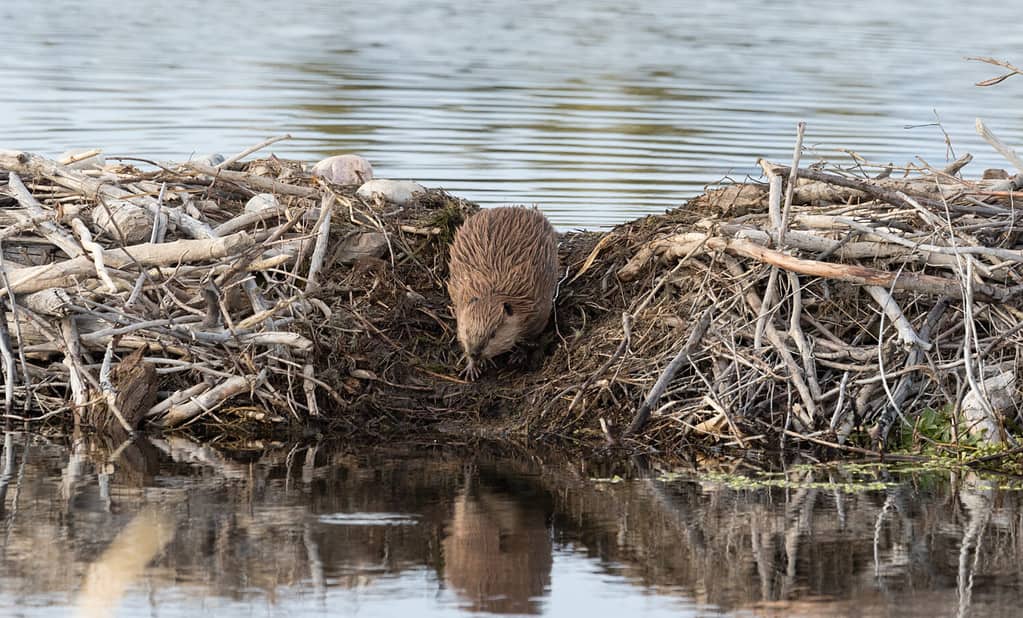
Beavers are increasingly recognized for their role in climate adaptation by buffering landscapes against wildfire and drought. By creating saturated soils and expansive wetlands, these ecosystem engineers build natural defenses that protect entire regions from wildfire and drought.
©Ronnie Howard/Shutterstock.com
Research shows that beaver-modified landscapes suffer only one-third of the fire damage compared to similar regions without beavers. During the devastating Dixie and Sugar fires in California, a beaver-engineered complex stayed green and healthy even as the surrounding landscape burned. These areas remain resilient because the soil stays moist and the vegetation remains lush, even in high-heat conditions.
Creating Biodiversity Hotspots
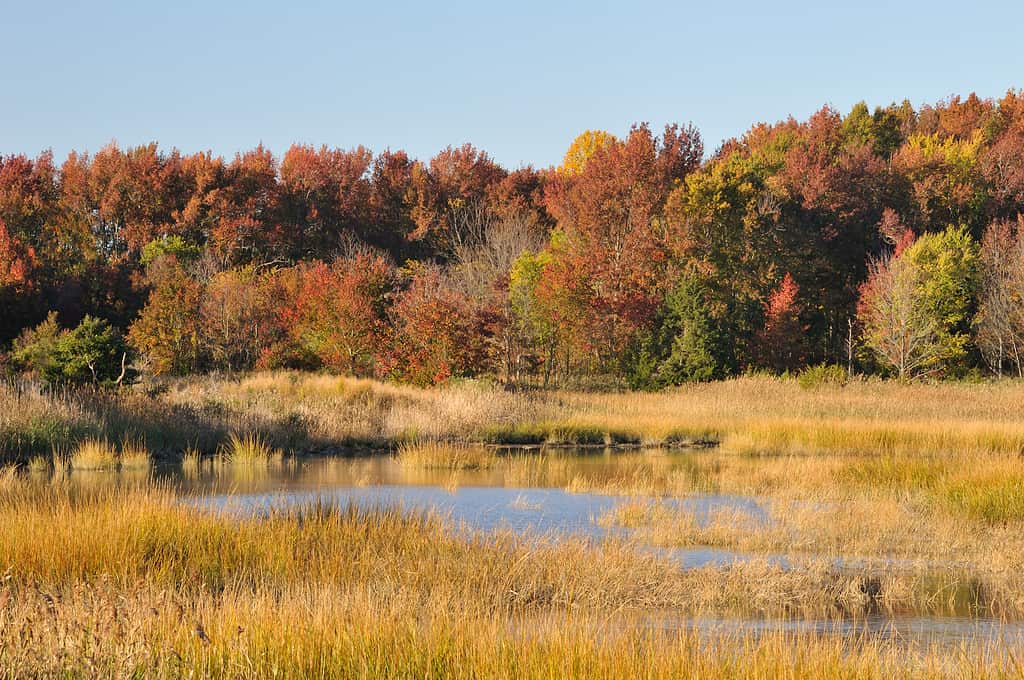
During megafires and severe droughts, beaver wetlands serve as critical oases, providing sanctuary for a wide range of species that would otherwise perish. The complex habitats beavers create provide essential shade, clean water, and food-web support. These wetland habitats are vital for fish, amphibians, and birds — such as the greater sage grouse. By diversifying the landscape, beavers create specific niches that support species ranging from insects to large mammals. This ensures that biodiversity can persist even when the surrounding environment is under extreme climate stress.
By maintaining these hydrated pockets within the landscape, beavers ensure that the most vulnerable members of the ecosystem have places to survive during environmental crises. This makes them an indispensable part of modern conservation and risk-mitigation strategies.
©aimintang/iStock via Getty Images
The Fall and Rise of the Beaver
The current degraded state of many freshwater systems is a direct result of the historical removal of beavers. Understanding this past is essential to implementing modern, nature-based restoration strategies that can return health to our landscapes.
Before European settlement, the North American landscape was shaped by an estimated 100 to 200 million beavers. However, the fur trade and significant habitat loss between 1600 and 1850 nearly wiped out the species. By 1900, the population had plummeted to just 100,000. The removal of beavers turned complex, multi-threaded streams into single, eroded channels, drastically reducing the health of freshwater systems.
While the population has rebounded to 10 to 15 million today, wetlands in the continental U.S. have still been reduced by more than half compared to historical levels.
Beaver Mimicry
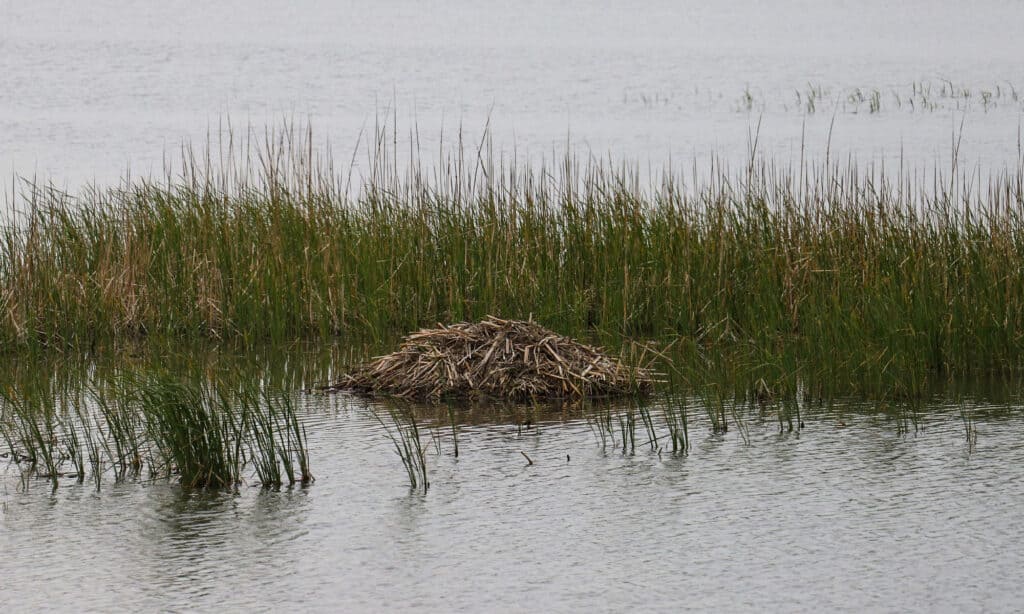
Because beavers are so effective at restoration, conservationists now use “beaver mimicry” to repair ecosystems where beavers are currently absent. Beaver Dam Analogs (BDAs) are human-made structures designed to mimic the effects of natural dams. Groups like the World Wildlife Fund (WWF) use BDAs as cost-effective tools to restore degraded streams in places such as Montana and the Rio Grande. These structures help raise the streambed and reconnect floodplains, eventually making the habitat suitable for natural beaver recolonization.
©iStock.com/Nancy Strohm
Indigenous Leadership and Local Success
Tribal nations have been at the forefront of using beavers as a “free restoration workforce” to meet environmental goals. The Tulalip Beaver Project, for example, focuses on relocating “nuisance” beavers from areas where they conflict with humans to impaired watersheds where they can improve fish habitats. The Blackfeet Nation has also successfully initiated stream restoration using beaver mimicry, demonstrating how traditional ecological knowledge can complement modern conservation.
While human mimicry is a helpful short-term tool, natural beaver activity remains the most effective long-term solution for building climate-resilient landscapes and protecting global biodiversity.
A Strategic Future
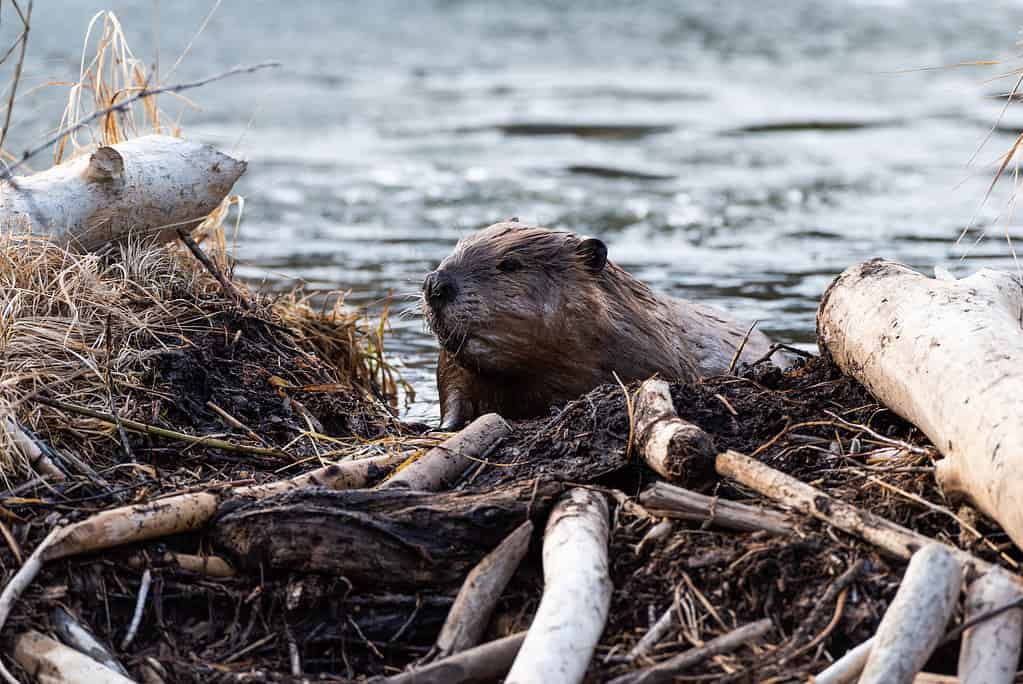
The transition from viewing beavers as pests to seeing them as essential partners marks a major breakthrough for nature-based climate solutions. As beaver populations continue to expand across Europe and North America due to conservation efforts, they are expected to play a crucial role in future land use planning and global carbon management strategies.
©Dan Pepper/iStock via Getty Images
The potential for large-scale impact is impressive. Researchers estimate that rewilding beavers in all suitable floodplain areas in Switzerland could offset 1.2 to 1.8 percent of the entire nation’s annual carbon emissions. Beaver ponds and meadows contribute to 37 percent of the climate mitigation that nature-based solutions can provide globally. As a free restoration workforce, beavers provide approximately $75 million in greenhouse gas sequestration services and $133 million in habitat protection annually in the United States alone.
By adopting a “National Healthy Riverscape Initiative” and prioritizing beaver habitats on public lands, we can leverage these ecosystem engineers to help achieve net-zero emissions goals. Unlike high-tech carbon capture machines, beaver-led restoration offers long-term, reliable carbon storage and landscape resilience at virtually no financial cost. Ultimately, shifting our perspective allows communities to build significant climate resilience, protect biodiversity, and secure a more stable environmental future by simply letting beavers be beavers.
NOTE – This article was originally published in a-z animals and can be viewed here