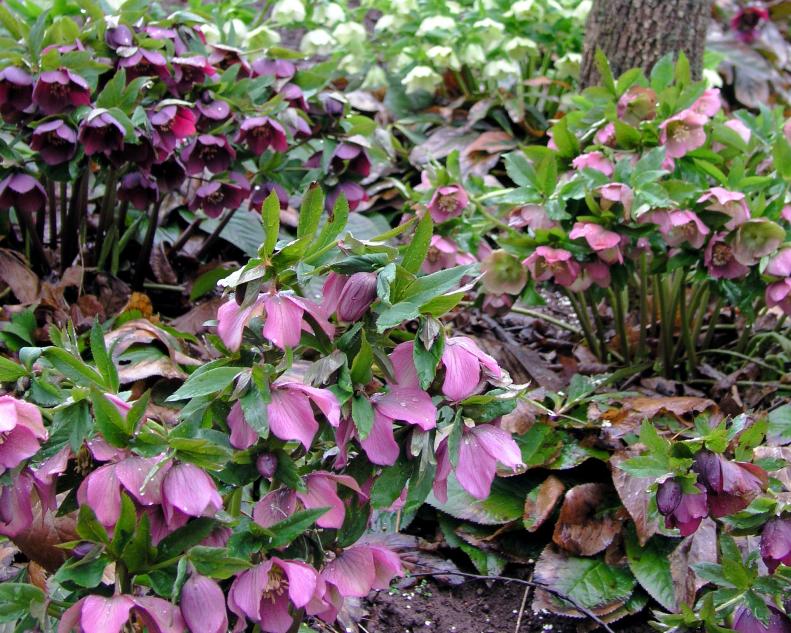
Turn to these sensational flowers and plants for winter interest outdoors.
Plants That Shine Outdoors in Winter
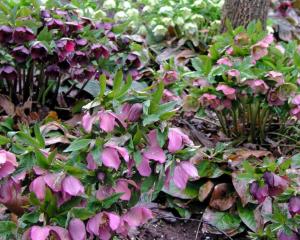
You may think of winter as dark and dreary, but it doesn’t have to be — at least not in the garden. Considering winter interest when planning and planting your garden will help boost your mood, and your landscape, by providing lively color and texture. One of many outdoor winter plants to consider, these hellebores (also known as Lenten or Christmas roses), in shades of burgundy, mauve and ivory, blanket the ground with something far more interesting than snow.
Cabbages and Kales
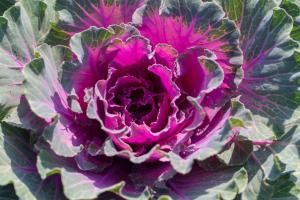
Ornamental kale and cabbage are some of the most popular winter annual plants. They lend a completely different texture to a winter landscape bed. Once the plants are hardened by cooler night temperatures they can survive most cold winters.
Camellias
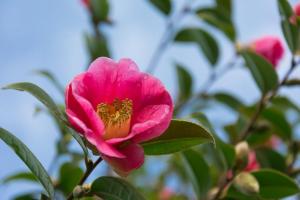
Camellias prefer acidic, moist yet well-drained soil that is high in organic matter. They flower in the fall and winter when their display of colorful blooms is most appreciated. The waxy-petalled flowers linger long on plants, displaying shades of red, pink, coral, white and bicolors. Plants are evergreen, growing to form shrubs or small trees. Once established, camellias are drought-tolerant.
________________________________________________________________________
Read Also: Climate Change and how can YOU fix it
________________________________________________________________________
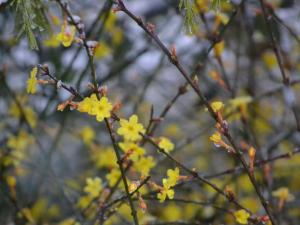
Winter Jasmine
Jasminum nudiflorum or winter jasmine is an exceptionally trouble-free plant to grow.
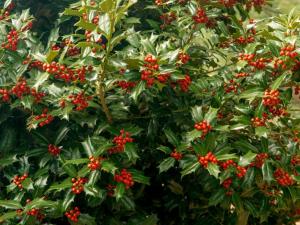
Holly Bush
Hollies bring an eye-catching display of evergreen leaves that is often punctuated with bright red or gold berries.
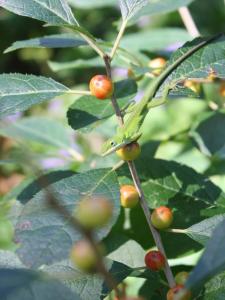
Winterberry Holly
Winterberry hollies are deciduous, and the berry-bedecked branches truly stop traffic. (Even this lizard stopped to take a gander at the beautiful berries!)

Cotoneaster
Cotoneaster is another leafy evergreen that you can depend on for a dazzling berry show in even frigid winters. It’s a fast-grower and can be used as a striking groundcover.
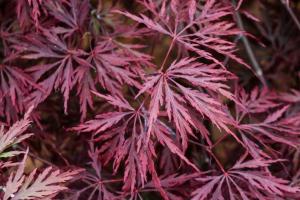
Japanese Maples
Japanese maples often have artistically shaped trunks. The contorted branches on this shrub or small tree come into focus as winter arrives.
________________________________________________________________________
Read Also: What Should the SEC Require in Climate Change Disclosures?
________________________________________________________________________
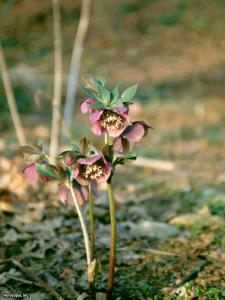
Lenten Roses
Lenten roses (hellebores) offer leathery evergreen leaves accented with rose-like flowers in shades of pink, red, maroon, chartreuse and white. Plants self-sow readily, forming low-maintenance colonies.

Nandina
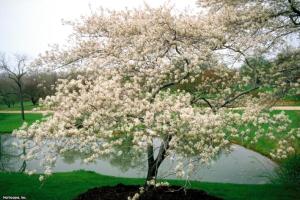
Native Serviceberry

Doublefile Viburnum
________________________________________________________________________
Read Also: How Climate Change Is Fueling Extreme Weather
________________________________________________________________________
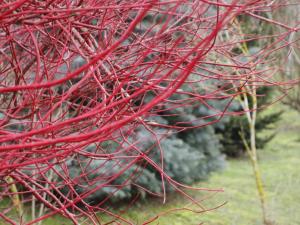
Red- and Yellow-Stemmed Dogwood
Red and yellow twig dogwood each inspire with their colorful winter stems, which show up best against dark evergreens or a snowy landscape.
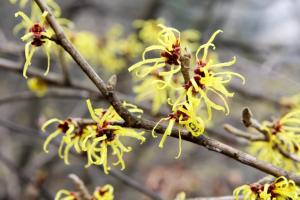
Witch Hazel
Witch hazel, a native shrub or small tree, opens strappy flowers in late winter to early spring. The blooms offer shades of yellow or orange and a sweet fragrance. Fall foliage is a striking gold, so this plant pulls double-duty in terms of seasonal interest.
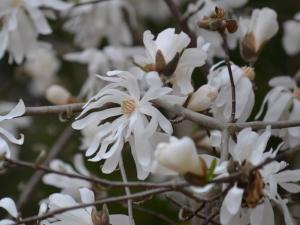
Star Magnolia
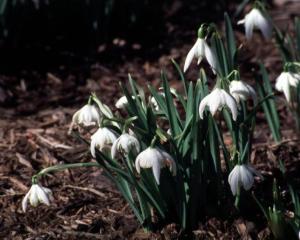
Snowdrops
NOTE – This article was originally published in hgtv and can be viewed here