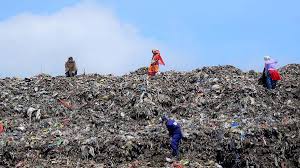
The concept of living entirely waste-free takes a bit of getting used to, as our modern lifestyles constantly demand that our attention is focused on consuming for the sake of consuming. The seemingly endless cycle of consumerism has led to us forgetting many of the important things in life. We generally work very hard, and spend less than an ideal amount of time with family and friends, sacrificing doing the things we love.
_______________________________________________________________________
Read Also : Man Sets World Record with 3-Story Tomato Plant that Yields 400 Pounds of Tomatoes
________________________________________________________________________
Living without waste doesn’t mean you have to live without life’s luxuries, it just means a more conscious approach to your consumer choices. You’ll be doing yourself a favor by saving money on unnecessary purchases and ultimately reducing your own ecological footprint Ultimately. you’ll be doing the planet a favor by reducing the amount of waste going to landfill.
Here are 17 Ways To Live Trash-Free & Adopt A Zero-Waste Lifestyle:
- Ditch Plastic Packaging. Glass and stainless-steel containers of all shapes and sizes can be cleaned and reused over and over again, and easily transported.
- Eliminate Disposable Paper Products. Rather than paper towels and napkins, choose reusable cloth versions. You’ll quickly save money over costly disposables.
- Avoid Using Potentially Toxic Styrofoam. Instead, use regular reusable dishes. If you need a single-use option, several retailers offer certified compostable paper plates, bowls, cups and napkins.
- Minimize Food Waste. Revive leftovers, repurpose food scraps into jams and sauces, and stretch your food dollar by meal planning.
________________________________________________________________________
Read Also : Oceanic sharks and rays have declined by over 70%: study
________________________________________________________________________
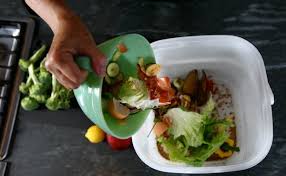
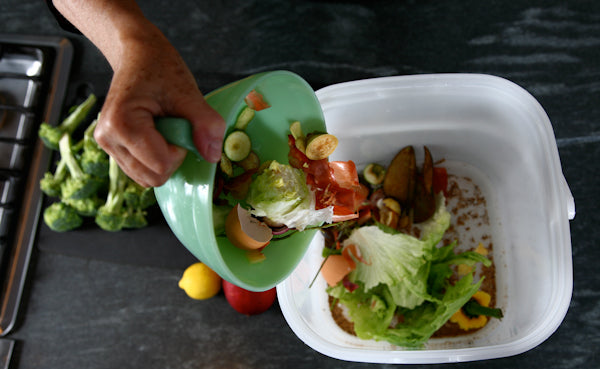
- Set Up A Countertop Compost Bin. Once the small bin is full, remove compost to an outdoor compost pile. Or put food waste into compostable trash bags, which can be turned in to municipal compost centers.
- Try Vermicomposting where red wiggler worms quickly transform organic matter into usable compost. These clean, simple, efficient systems are useful for those who don’t have space for an outdoor compost pile.
- Compostable Items: fruit and vegetable parts, eggshells, coffee grounds, unbleached paper, tea bags, disease-free houseplants, and much more.
- Cook Up Biodiesel. We can’t pour used cooking oil down the drain (it causes clogs) or compost it. However, you can donate cooking oil to be recycled into biodiesel fuel.
- Municipal Composting. If you don’t have an outdoor compost pile, look to see if your community offers a curbside or drop-off composting program.
________________________________________________________________________
________________________________________________________________________
- Avoid Plastic Bags. Start using big shopping bags made from canvas, mesh, cloth or recycled/recyclable plastic. You can buy these for about $1 at most natural supermarkets.
- Stop Buying Single Servings. Buy the largest size available or in bulk and divide into smaller eco-smart containers.
- Bring Mason Jars. Use reusable containers such as mason jars for bulk loose items such as rice, granola, grains, oatmeal, dried fruit, and beans.
- Multipurpose Cleaner. In a spray bottle, combine 1⁄2 cup white distilled vinegar with 1 cup water, and add 10 to 20 drops of tea tree, lavender, lemon or eucalyptus essential oil. Shake well before using.
- Bring Your Lunch. And Utensils. Disposable lunches (to-go packaging, traditional plastic utensils, etc) generate 100 pounds of trash per person annually. Bring your lunch in a reusable lunch box, and if your company doesn’t use compostable utensils, bring your own SelfEco compostable cutlery!
- Water Bottles. Use metal or glass water bottles throughout the day for water or coffee.
- Separate Your Waste. Keep food and kitchen scraps, garden waste, and recyclables separate.
- Recycle Everything You Can. all unbroken glass, some plastics, paper and cardboard, tin and aluminium cans
NOTE – This article was originally published in Selfeco and can be viewed here