Here are 5 ways to reduce your carbon footprint significantly.
_______________________________________________________________________
Buy Organic Products Online at best prices at https://www.getgreen.co.in .
_______________________________________________________________________
1. Avoid Mass Market, Throw Away Fashion
The clothing sector generates 10% of all global carbon emissions and remains the second biggest industrial polluter, following the oil industry. Ironically, approximately 70 million barrels of oil are used each year to make polyester fibre, the most commonly used fibre in the fast fashion industry. – inexpensive throw-away clothing produced rapidly by mass-market retailers in response to the latest trends.
Fast fashion garments, which on average are worn less than 5 times and kept for just 35 days, produce over 400% more carbon emissions per item than garments worn 50 times and kept for 1 year. In addition to the CO2 emissions associated to production and transportation, fast fashion also facilitates deforestation on a grand scale.
Over 70 million trees are cut each year to produce cheaper fabrics such as rayon, viscose, modal and lyocell. Not to mention the water pollution from plastic microfibers, pesticides for cotton crops and toxic colouring dyes.
_______________________________________________________________________
Read Also : Carbon Footprint – Facts and Effects
________________________________________________________________________
So by shunning fast fashion, by means of buying sustainable and environmentally friendly apparel, or better still purchasing or sourcing second hand clothing, you’ll significantly reduce your carbon footprint, while also looking rather dapper in ecological or retro threads.

2. Reduce your Meat and Diary Consumption
Livestock and their byproducts account for at least 32,000 million tons of CO2 per year, or 51% of all worldwide greenhouse gas emissions, which is significantly more than the combined exhaust fumes from all modes of transportation put together. And these emissions for animal agriculture are projected to increase 80% by 2050 unless more sustainable food production systems are widely adopted.
The meat and dairy industry is also responsible for up to 91% of Amazon deforestation (grazing land and feed crops), which results in the extinction of unique plant, insect, and animal species. This alarming list of statistics goes on, but it needn’t be like this, and with the ever-increasing range of exceptional vegan and veggie options in our supermarkets and eateries, the choice is getting easier to reduce your meat and diary intake.
Each day, a person who eats a vegan diet saves 1,100 gallons of water, 20kgs of grain, 30 sq ft of forested land, 9kgs of CO2, and one animal’s life. But if going vegan really isn’t an option at the moment, try to source wild meat from sustainable agriculture such as Knepp Wildland. Adopting a pescatarian diet, flexitarian diet, or choosing white over red meat; shopping locally and seasonally; and reducing your food waste will also greatly reduce your footprint.

3. Refuse Single-Use Plastic
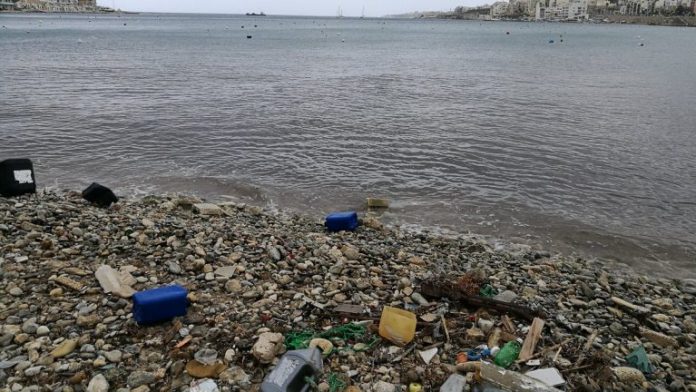
Gone are the days when reusing jam jars and recycling tin cans was enough to save the planet. To make real environmental change and really reduce one’s carbon footprint, it’s high time we all started living plastic free or adopting a zero waste lifestyle.
300 million tons of plastic are produced globally each year. Without intervention, the amount of emissions from plastic will consume 17% of the global carbon budget by 2050!
By refusing single-use plastic, we as individuals can make a significant dent in these figures.
- Take your own reusable shopping bag to the shops
- Use own food containers, cup, and utensils to avoid unnecessary throw-away plastic
- Carry a reusable water bottle
- Invest in bamboo earbuds and toothbrush
- Say no to disposable straws and stirrers
- Avoid heavily and/or unnecessarily packaged foods
- Purchase solid packaging free detergents, soaps, and shaving creams
- Invest in or make your own eco friendly cosmetics
- Purchase from grocery stores and local markets that sell their produce loose and free of packaging.


Take action now
Do you want to have a direct impact on climate change? Sir David Attenborough said the best thing we can do is to rewild the planet. So we run reforestation and rewilding programs across the globe to restore wild ecosystems and capture carbon.
_______________________________________________________________________
Read Also : Water footprints – need to calculate to avoid a water crisis.
________________________________________________________________________
4. Reduce and Rethink your Transportation
Second to the meat industry, transportation releases a devastating percentage of CO2 into our atmosphere – 13% of all greenhouse gas emissions!
Unfortunately, as much as we’d like it, it’s not as easy to completely abandon transportation like it is to go veggie or refuse single-use plastic. In fact, for many of us, we’re likely to be reliant on fossil fueled transportation, generating unavoidable carbon emissions, for at least the next 5 to 10 years. So in the meantime, a reduction and rethink on how we travel is the next step to reducing our carbon footprint.
- If it’s just five minutes by car, could you walk, run or cycle instead?
- Switch off the ignition when at traffic lights, in a traffic jam or waiting for someone.
- Is public transport an option? You’ll be surprised how comfortable and economical it is to travel on public transport nowadays.
- Could you be car sharing on the school run or commute to work?
- Could you reduce the number of flights you take? Is there an alternative, cleaner means of transport e.g. train?
- If you can’t avoid it, offset it. Try to carbon offset unavoidable flights or long road trips. Estimate your flight’s emissions using calculators such as this flight carbon footprint calculator which factors in cabin-class and flight duration.

5. Switch to Green Energy
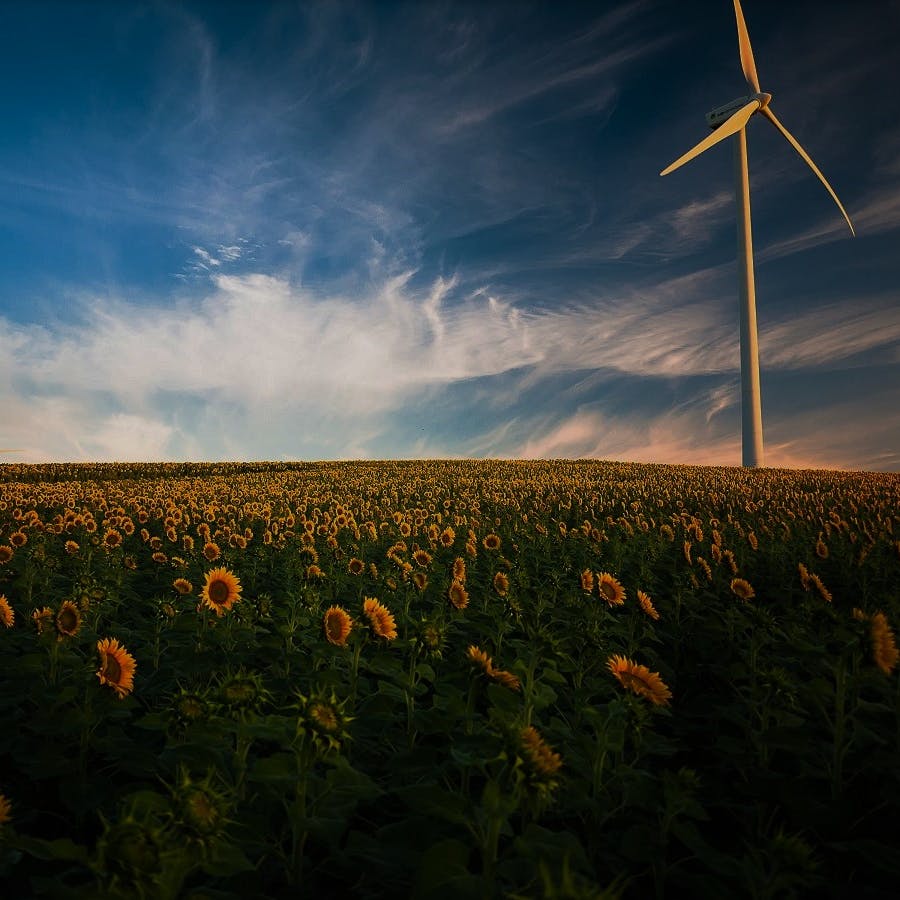
The future of household energy lies in renewable energy sources such as wind, and solar power. Regardless of climate change, there are limitations on the availability of fossil fuels such as oil, natural gas, and coal, while “green electricity” is becoming cheaper and more readily available.
Nowadays most energy suppliers offer “green electricity” tariffs, which seek to champion renewable energy. However, we recommend sourcing one that ensures your electricity supply is 100% renewable (Some companies purchase a mix of renewable and non-renewable electricity).
A 100% green supply means all the electricity you buy is ‘matched’ by purchases of renewable energy such as wind farms and hydroelectric power stations. As more people sign up for such schemes, it will drive up investment in these technologies and subsequently drive down renewable energy prices. It’s a feedback and you can be the catalyst of change.
Ready to start reducing your carbon footprint? Read on to learn how to calculate and manage your footprint and help restore nature through rewilding.
Calculate and Manage your Carbon Footprint
Now knowing the main areas to gain the biggest reductions to your carbon footprint, try our Carbon Footprint Calculator to find out your personal estimated yearly CO2e emissions. Your individualised footprint will be compared to averages in the US and Europe and you’ll also be informed of your total estimated emissions in the areas listed below, where possible, based on where you live. To read in greater detail and depth about our methodology, see our Carbon Footprint Calculator article.
Finally, after completing our simple 5-minute Calculator, you will receive instant personalised recommendations to reduce your footprint. Having such detailed results allows you to easily compare your total emissions against the global average needed to stop a 2°C rise in global temperatures, making our Carbon Footprint Calculator a valuable tool in your personal fight against climate change.