


Battery cells, the primary source of energy for most of our electronic devices which have helped us reached the heights of technological advancements that we are in today. Almost every electronic device around us, from an alarm clock to your latest smartphones that run on batteries.
________________________________________________________________________
“Buy Organic Products Online at best prices at http://www.getgreen.co.in “.
________________________________________________________________________
But have you ever taken a moment to think about what happens when they run out of juice and replace them with new ones?
The answer to this question is quite horrifying when we consider the harmful substances this simple-looking, life-saving batteries contain in them.
The alkaline electric batteries that we use in our everyday devices such as clocks, remotes, flashlights, etc. consists of multiple electric cells that have hazardous chemicals such as hydrochloric acid, sulfuric acid, sodium bicarbonate, and sodium hydroxide. These batteries are also known as disposable or primary batteries.
The other type of commonly used batteries is the secondary or reusable batteries that can be recharged and used multiple times. For example, lead-acid batteries used in cars, lithium-ion batteries used in laptops and mobile phones, etc. but they too wear out eventually and require replacement.
What Happens to them Once They are Disposed?

Since both primary and secondary batteries consist of different hazardous materials such as acid, lead, nickel, lithium, cadmium, alkaline, mercury, and nickel-metal hydride, when disposed of without proper care, the casing can disintegrate. And the toxic chemicals can leach into the environment. It can further contaminate the soil and water, which leads to the accumulation of hazardous compounds in plants and wildlife.
________________________________________________________________________
Read also: A five-part road map for how to succeed with agroforestry
________________________________________________________________________
Most of the batteries that we commonly use in our daily lives seem to be small and harmless, but the issue is that the quantity of such small batteries disposed of is very high. Every year hundreds of thousands of batteries are disposed of, and most of them do not undergo proper disposal procedures leading to excessive environmental contamination.
What Are We Doing to Resolve this Issue?
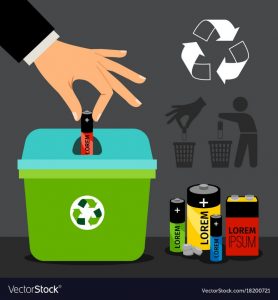
Currently, several local councils and authorities have joined together with battery manufacturers to develop battery recycling schemes.
Recycling involves breaking down these batteries and recovering reusable material if there is any. In case there is nothing left to recover, the batteries are then disposed of carefully by encasing them in concrete.
Mostly cells containing highly hazardous wastes such as nickel-cadmium, silver, mercury, nickel-metal hydride, etc. are given more preference when it comes to recycling. Other less-lethal cells are usually disposed of safely.
Read Also : Pioneer of terrace gardening passes away,
A More Efficient Solution
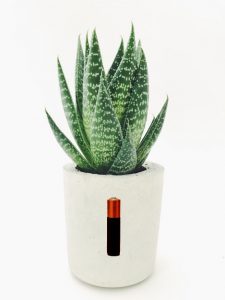
Recycling cells is not a very efficient solution because most of the people are unaware of battery recycling programs and these recycling processes are not very cost-effective as well.
But recently, two entrepreneurs from Lucknow and Jaipur came up with an aloe vera-based battery cell, the first natural battery as an alternative to hazardous chemical-based batteries.
________________________________________________________________________
Read Also :How to Quarantine the Eco-Friendly Way (pt. 2)
________________________________________________________________________
Nimisha Verma and Naveen Suman were still completing their B.tech from different colleges when they came up with this innovative idea giving birth to Aloe E-Cell born back in 2018.
This aloe vera based Eco-friendly battery is not only safe to use with respect to the environment but, they also kept in mind the burden on our country’s economy for importing raw material to make chemical-based batteries and came up with a solution to make their domestically produced battery available at as cheap as Rs 9-10 in the market.
This innovation of theirs is being recognized and appreciated very much in India as well as abroad. They recently won India’s first edition of the National Start-Up Awards organized by the central government. They were also a part of the top eight start-ups from across the globe at the “innovation summit” organized by Schneider Electric, in Barcelona.
With international bodies and leaders from around the world emphasizing on green energy and sustainable development, Aloe-Cell has high potential to become the battery of the future as it is both eco-friendly and pocket friendly.
Tags: #cleanenergy, #climatechange, #energy, #getgreengetgrowing, #gngagritech, #gogreen, #gosolar, #green, #greenenergy, #greenstories, #renewable, #renewableenergy, #renewables, #solar, #solarenergy, #solarpanel, #solarpanels, #solarpower, #sustainability





Trackbacks/Pingbacks