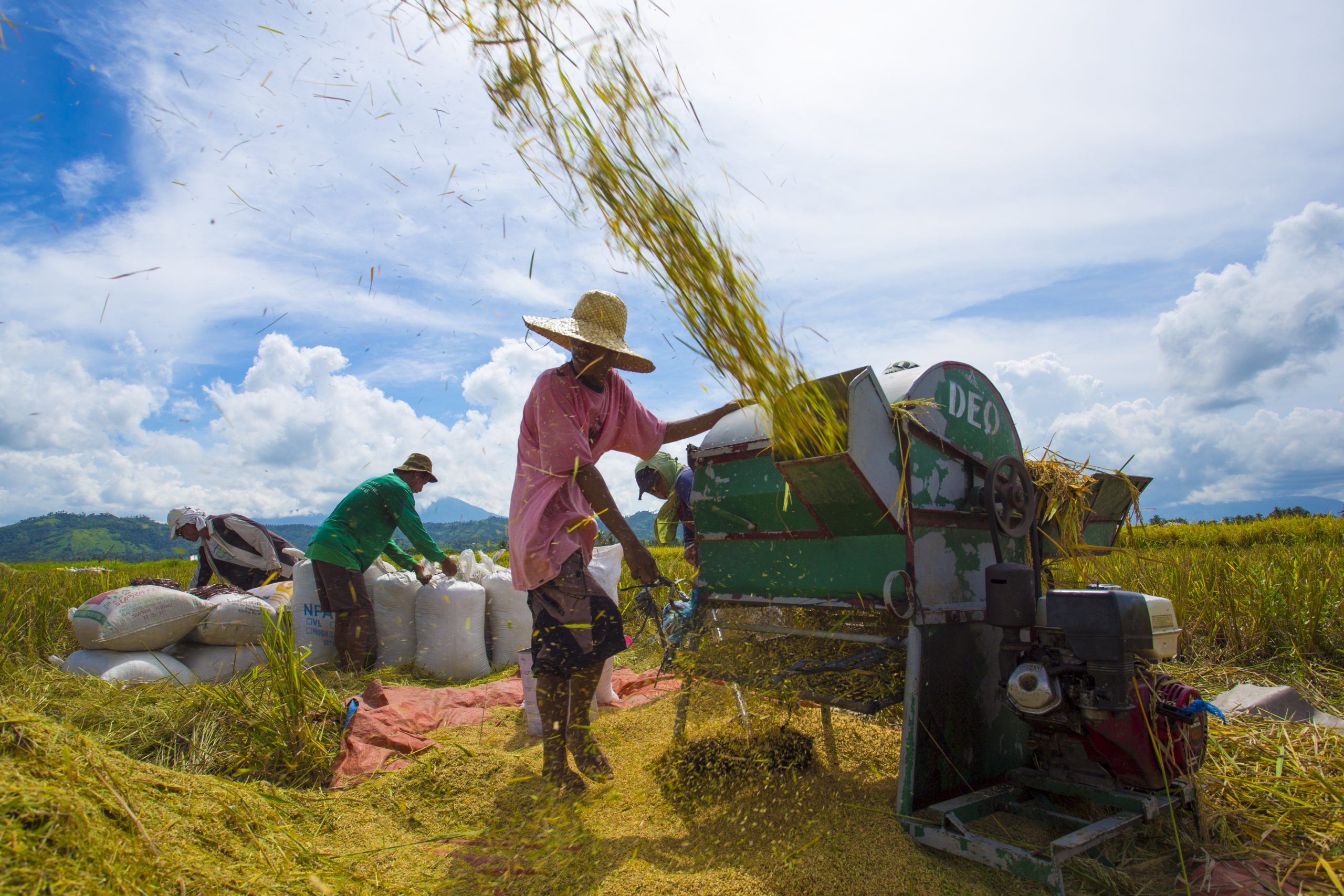
Researchers at the Technical University of Munich have developed a sustainable method to create the essential amino acid L-alanine from CO2. This process uses artificial photosynthesis, converting CO2 to methanol and then to L-alanine. This new method requires less space than traditional agriculture, highlighting the potential of combining bioeconomy and hydrogen economy for a more sustainable future.
Researchers produce important amino acid from greenhouse gas CO2
- Growing demand for food in the world
- Biotechnological process via methanol as intermediate product
- Less ground required than for plant cultivation
________________________________________________________________________
Read Also: Water footprints – need to calculate to avoid a water crisis.
________________________________________________________________________
Ensuring the supply of food to the constantly growing world population and protecting the environment at the same time are often conflicting objectives. Now researchers at the Technical University of Munich (TUM) have successfully developed a method for the synthetic manufacture of nutritional protein using a type of artificial A group led by Prof. Volker Sieber at the TUM Campus Straubing for Biotechnology and Sustainability (TUMCS) has succeeded in producing the amino What is a water footprint?
________________________________________________________________________
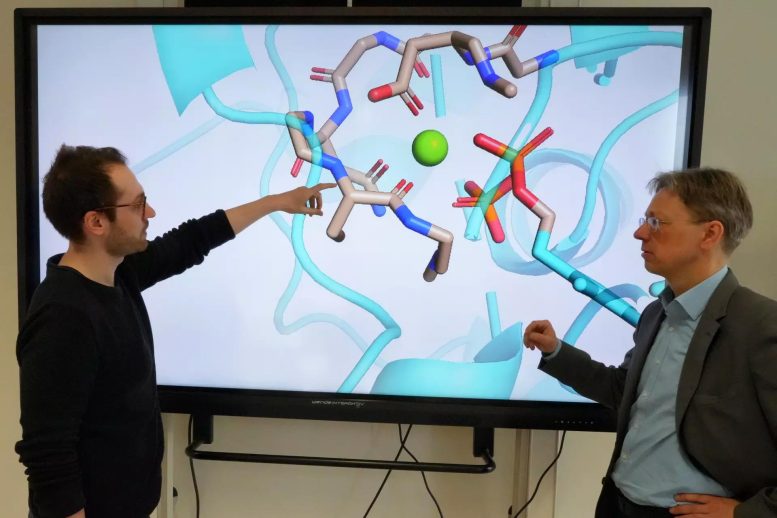
Artificial photosynthesis for environmentally friendly food production, from left: PhD student Vivian Willers und Prof. Volker Sieber. Credit: Otto Zellmer / TUM
The CO2, which is removed from the atmosphere, is first turned into methanol using green electricity and hydrogen. The new method converts this intermediate into L-alanine in a multi-stage process using synthetic enzymes; the method is extremely effective and generates very high yields. L-alanine is one of the most important components of protein, which is essential to the nutrition of both humans and animals.
Prof. Sieber, of the TUM Professorship for Chemistry of Biogenic Resources, explains: “Compared to growing plants, this method requires far less space to create the same amount of L-alanine, when the energy used comes from solar or wind power sources. The more efficient use of space means a kind of artificial photosynthesis can be used to produce the same amount of foodstuffs on significantly fewer acres. This paves the way for a smaller ecological footprint in agriculture.”
________________________________________________________________________
Read Also: What is Water Footprint Assessment?
________________________________________________________________________
Bioeconomy and hydrogen economy in combination
The manufacture of L-alanine is only the first step for the scientists. “We also want to produce other here
Tags: #agriculture, #animals, #Artificial, #CO2, #food, #footprint, #getgreengetgrowing, #gngagritech, #greenstories, #Photosynthesis, #protein, #sustainability