When the COVID-19 pandemic of 2020 triggered a lockdown in India, Ferdin Sylvester was working with the United Nations Development Programme as a project officer with an environmental engineering background. Seeing the breakdown of the transport, food and healthcare sectors globally and their effects on people from lower socioeconomic backgrounds, he realised that these communities are on the frontlines of suffering damages from climate breakdown and pollution.
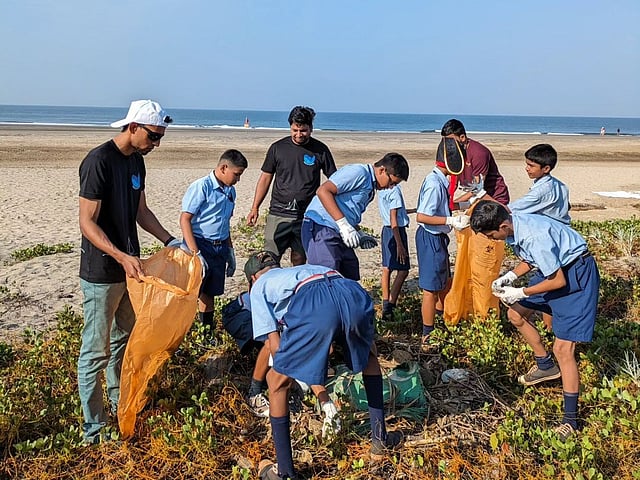
Using over of a decade of experience in the environmental field where he worked extensively with public, private, international and governmental actors, he decided to start his own venture to safeguard the planet and address the gaps which stood in the way of creating a holistic and sustainable economy. Thus began the One Earth Foundation in 2023. It focuses on mitigating the impact of plastic pollution on marine ecosystems, regenerates wetlands through mangrove restoration initiatives, and repurposes low-value plastic waste into functional products, thereby preventing its entry into land and water ecosystems.
________________________________________________________________________
Read Also : What Should the SEC Require in Climate Change Disclosures?
________________________________________________________________________
Outlook Traveller interviewed Sylvester about his work and projects. The interview has been condensed for clarity.
.jpg?w=640&auto=format%2Ccompress "OT Interview: How This Environmental Engineer Is Saving The Planet & Benefiting Communities 3")
________________________________________________________________________
Read Also : Climate Change and how can YOU fix it
________________________________________________________________________
We first identify a suitable site for mangrove planting, considering factors like the tidal effect, water quality and water salinity. Then, we do species selection based on which species is found and adapted to the target location and based on [the] availability of propagules. This is followed by direct planting, an easy method where we dig holes in the mud and plant propagules directly into the soil. Care is taken to ensure that there is sufficient space between them so they can grow independently. Lastly, we conduct regular monitoring to assess their survival rate and identify any challenges. We track the growth and development of mangroves over time while keeping an eye out for any pest or disease outbreaks, changes in water quality, salinity, and tidal patterns. The local community is also engaged in the planting process to promote ownership and sustainability.
.jpg?w=640&auto=format%2Ccompress "OT Interview: How This Environmental Engineer Is Saving The Planet & Benefiting Communities 4")
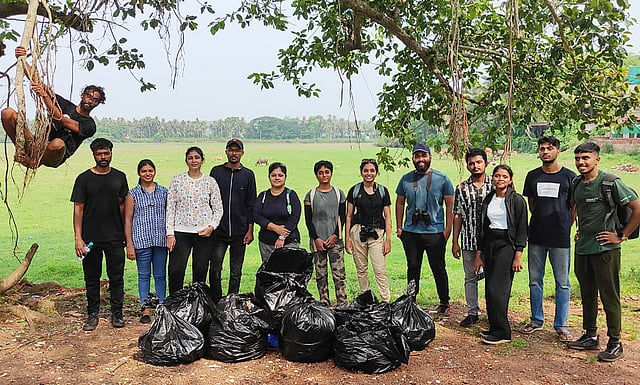
Businesses should adopt environmentally-friendly business models, reduce emissions and invest in renewable energy sources. They should provide clear and transparent reporting on environmental impacts and take responsibility for reducing emissions across the supply chain. They should also advocate for strong climate policies at all levels of government.
Communities should promote initiatives like tree planting, energy efficiency projects and sustainable waste management. They should raise awareness about climate change and its impacts, empower individuals to take action and advocate for change at the local level.
Individuals should adopt a sustainable lifestyle by reducing energy consumption, minimising waste and choosing eco-friendly transportation. They should prioritise purchases from companies with strong environmental commitments and ethical practices, and engage in political activism like writing to representatives and supporting organisations working to address climate change.
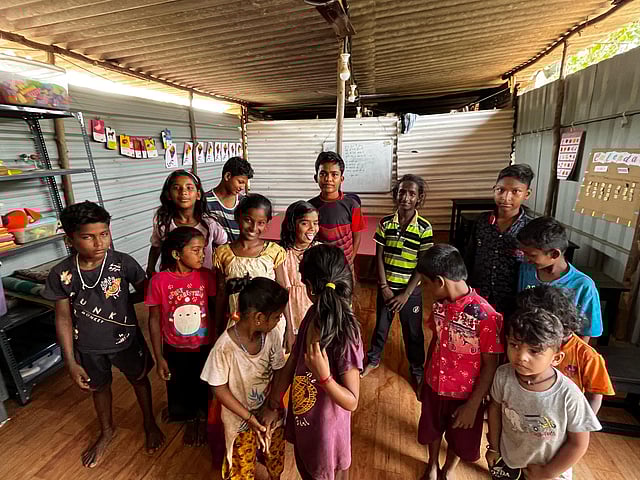
We are not having these conversations because climate change has become a divisive issue, making it difficult to find common ground and build consensus. Powerful industries resist change, leading to lobbying efforts that impede progress on climate action.
NOTE – This article was originally published in outlooktraveller and can be viewed here