Rice husk and oil palm waste could become a steadier fuel for clean electricity, after researchers in Colombia found they clog biomass reactors far less than coffee husk.
If you have ever scrubbed a scorched pot, you know how a little residue can turn into a hard, stubborn crust. In a lab reactor meant to mimic industrial biomass boilers, rice and palm residues left tiny deposits while coffee husk formed “rock-like” agglomerates.
The finding sounds technical, but the takeaway is simple. A reactor that stays free-flowing runs longer and wastes less heat, which can mean a lower electric bill and fewer outages in remote towns.
And with projections showing about 660 million people may still lack electricity by 2030, every workable option deserves a closer look, right?
The ash problem that can shut a plant down
At the industrial level, one of the most common designs is fluidized-bed combustion. Think of a metal vessel filled with hot, moving sand, where air keeps the grains bubbling like a pot at a gentle boil. That constant motion improves heat transfer and helps burn biomass more evenly, which is why it is widely used for turning plant waste into heat and electricity.
The downside is what happens when ash gets sticky. Some potassium compounds can react with silica-based bed material and create sticky, low-melting compounds that glue particles together. Over time, those chunks grow, airflow gets blocked, and what should be a smoothly “fluid” bed starts behaving like a clogged drain.
________________________________________________________________________
A lab test that compared coffee, rice, and palm waste
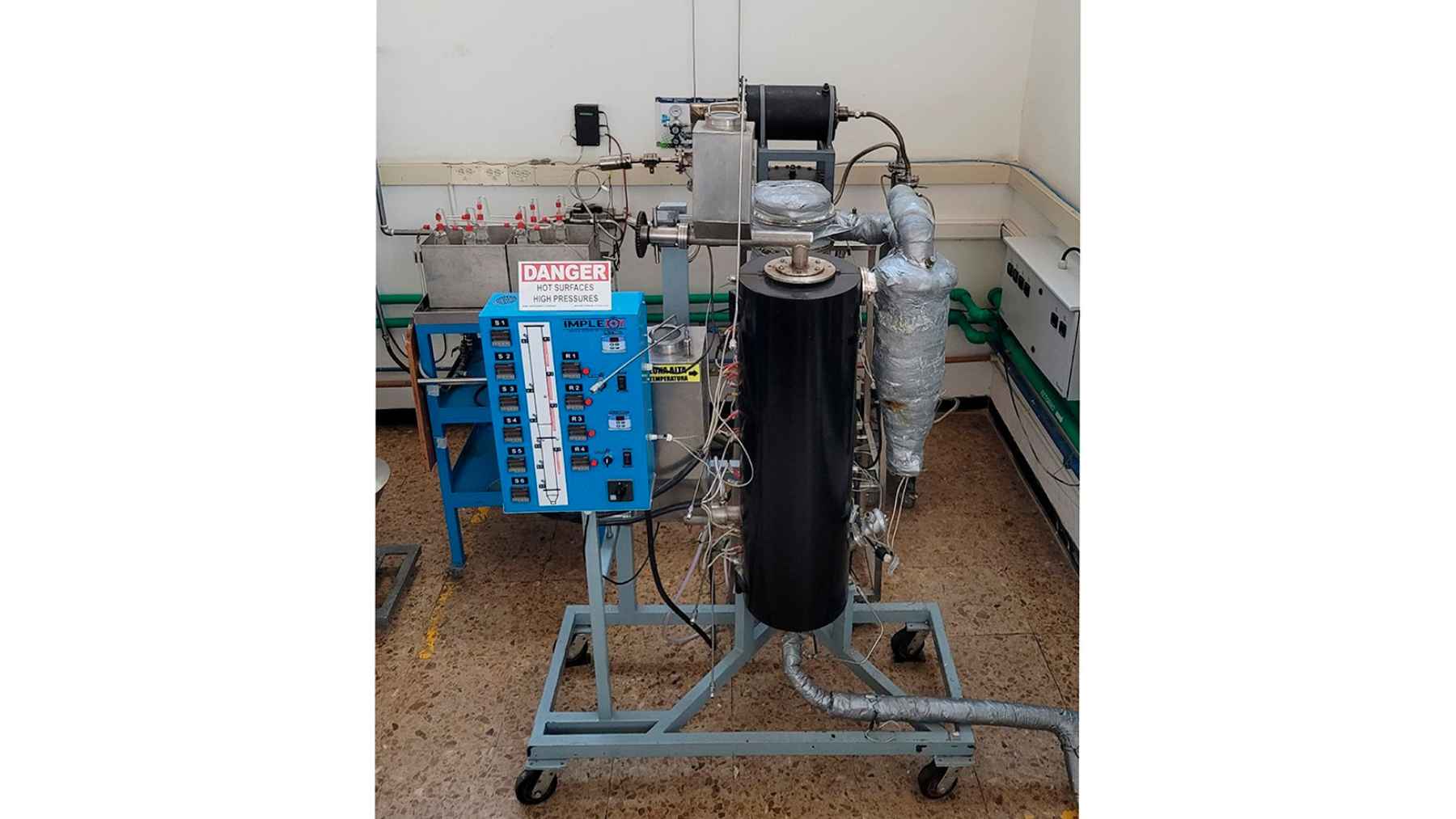
In a recent study led by Sebastián Achury Ortiz, a mechanical engineering researcher at the National University of Colombia, a lab-scale fluidized-bed reactor was used to compare three common Colombian residues.
The team fed the reactor coffee husk, rice husk, and oil palm kernel shell (often called “cuesco”), while the sand bed ran at temperatures up to about 1,652 °F (900 °C). In plain terms, they were recreating the extreme heat conditions that drive real-world biomass power systems.
The differences were striking. Coffee husk formed solid clumps up to about 2.4 inches (6 cm) wide, which is about the size of a ping-pong ball. Rice husk and palm kernel shells, by contrast, left deposits closer to 0.08 inches (2 mm), more like a thin crust than a rock. Less buildup means fewer shutdowns and less time spent chiseling out hardened ash.
Why silicon helps and why it is not magic
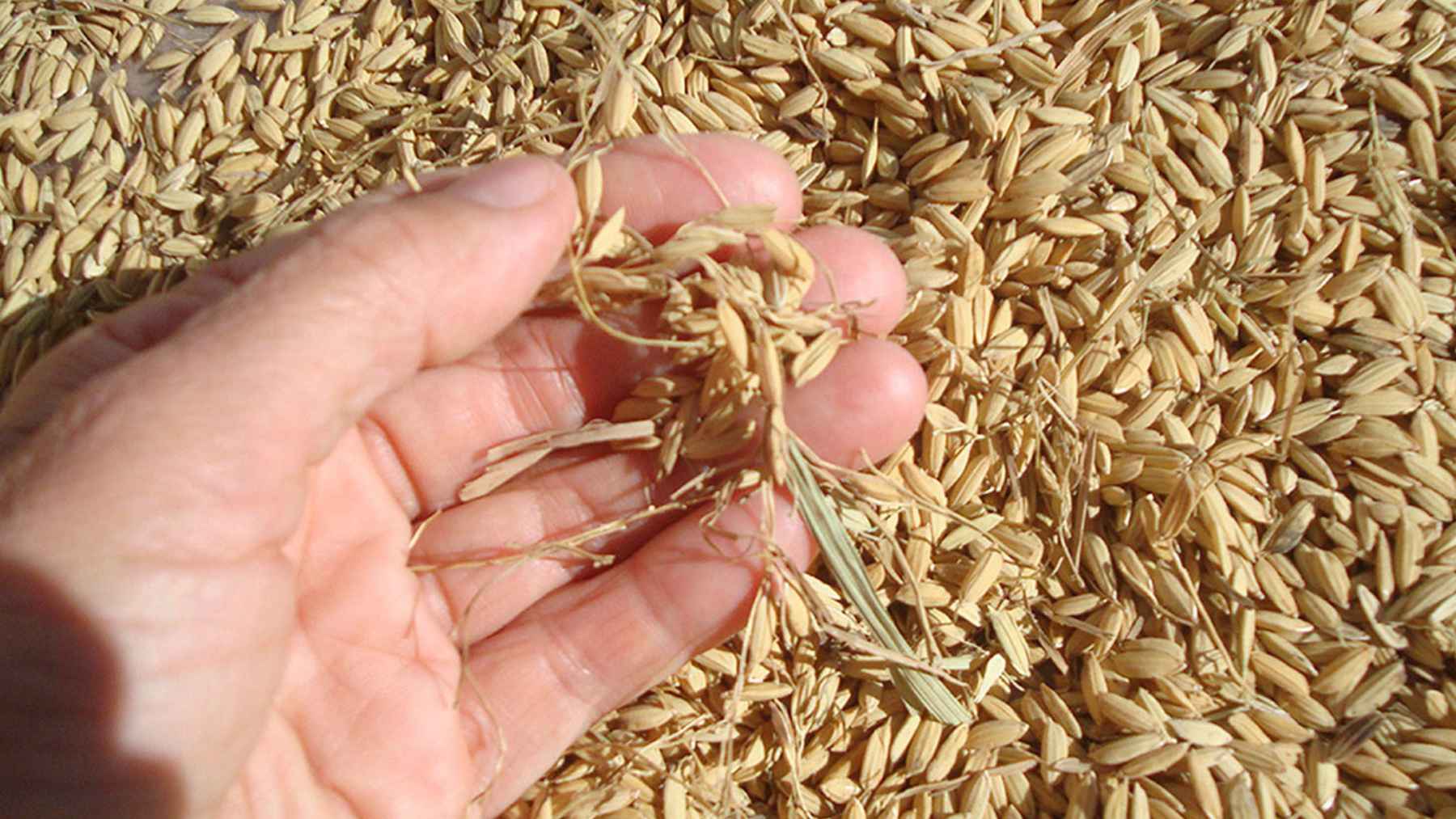
The surprising hero here is silicon, or more precisely, silica. Rice husk is a natural outlier. In a recent open-access review, rice husk is typically around 20% silica, and its ash can be around 90% amorphous silica once burned under controlled conditions. That makes its ash chemistry more compatible with the silica sand used in many reactors.
Coffee husk has a different mineral profile, with more potassium and calcium that can form troublesome compounds at high heat. In practice, that means not all “biomass” behaves the same, even if it looks similar in a sack or truck bed. This is why engineers obsess over feedstock testing, temperature control, and how the ash will behave long before a plant goes online.
From farm residue to rural electricity
This kind of research matters most when it solves a real problem. Colombia produces huge volumes of rice and palm residues every year, much of it concentrated around mills and processing sites.
One peer-reviewed study estimated 6.3 million metric tons of rice residues each year, which is about 6.9 million U.S. tons, and industry materials have estimated another 200,000 to 300,000 metric tons of palm kernel shells available annually, or roughly 220,000 to 330,000 U.S. tons.
In Colombia, that matters because energy poverty remains widespread, especially in rural departments such as Vichada, Vaupés, and La Guajira. Researchers and development groups estimate that about 9.6 million Colombians are “energy poor,” meaning they struggle with reliable access to affordable electricity and clean cooking.
Turning locally available residues into power could help clinics, schools, and small businesses avoid relying entirely on diesel generators that sputter when fuel deliveries run late.
The steps between a promising result and a real power plant
Still, there is a long road between a lab result and a commercial plant. Achury’s work suggests rice husk and palm kernel shell could reduce one major headache, but building a reliable biomass system also means handling variable moisture, different particle sizes, and real-world operating quirks that do not show up in a controlled experiment.
That is where investment, training, and good local engineering support come in.
________________________________________________________________________
There is also a climate and sustainability checklist that cannot be skipped. Waste biomass can reduce disposal problems, but it still creates air pollutants if burned without good controls, and not every “waste” stream is truly free of competing uses like soil amendments or animal bedding. A credible project has to prove it is truly reducing emissions, not just shifting them around.
And then there is the local context. In remote areas, biomass power might need to be paired with solar and batteries, so that electricity does not depend on a single fuel or a single machine. But if rice husk really does behave better at high temperatures, it could become one more practical tool for rural electrification, right alongside wind, solar, and microgrids.
For now, the most important point is what the ash revealed. A silicon-heavy residue like rice husk may keep reactors cleaner for longer, and that could make small-scale bioenergy more realistic in places where the grid is weak.
The press release was published on Agencia UNAL.
NOTE – This article was originally published in Eco News and can be viewed here