https://www.horizons-mag.ch/2018/06/05/biorefineries-for-a-future-without-oil/
Biorefinery – Technology for Better Future!
One of the ever-increasing wastes on our planet is the food waste that is primarily composed of vegetable peels, seeds, remains from food that we buy, and so on. Unlike our other forms of waste like papers and plastic, food waste is not something that we like to keep anywhere near our houses because these wastes start to degrade within a few hours. The smell that arises from the degrading of this waste makes us want to throw it away as soon as possible.
_______________________________________________________________________
Buy Organic Products Online at best prices at http://www.getgreen.co.in .
________________________________________________________________________
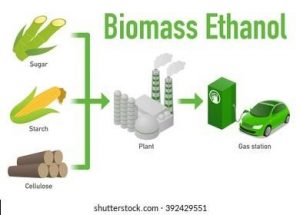
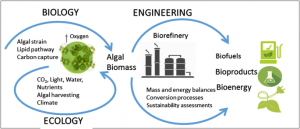
A few days a week, workers come to our home to take away our food wastes. This waste is taken to a biorefinery where this biomass is turned into fuel and other by-products like chemicals. This process is advantageous because it can finally prevent the fuel shortage crisis that we are facing. It is also an efficient way to get rid of the food waste in our homes which may otherwise attract flies carrying various diseases and even produce an unpleasant smell.
A biorefinery can produce a wide range of useful products including bioethanol, biodiesel, and many low volumes but high-value chemicals. It can even generate electricity and process heat at the same time through CHP technology for its own use as well as for providing electricity to houses, offices, or shopping complexes. Producing fuel and energy from biorefineries is becoming increasingly popular nowadays because power production helps in lowering energy costs and greenhouse gas emissions from otherwise conventional power plants.
In these biorefineries, the initial raw materials can be fractioned and converted into multiple byproducts like carbohydrates, proteins, triglycerides, and so on which can be further converted into some value-added products made for our use. Refining this biomass is beneficial to us and to our environment as well as these biorefineries do not emit any harmful toxic gases into the atmosphere or any byproducts into water bodies.
https://www.shutterstock.com/search/biorefinery
Some of the goals that biorefineries intend to achieve are:
- To supply current safer fuels and the chemical building blocks.
- To supply the building blocks to produce novel products with disruptive characteristics.
- Creating new jobs, especially for those living in rural areas.
- To add more value to the food waste that is produced in our homes.
- Achieving the goal to finally reduce greenhouse gas emissions.
_______________________________________________________________________
Read Also : Bioremediation: Environmental Technology for pollution Cleanup
________________________________________________________________________
Even though one of the main goals of processing waste in biorefineries is to reduce the amount of greenhouse gas emission and to produce many beneficial products, there are still a few adverse impacts these refineries can have some adverse effect on the environment. It can change land use, causes the eutrophication of water, pollutes the environment with pesticides, and so on.
LCA or Life Cycle Assessment is a way to evaluate the effects of a process from the extraction of raw materials to its end use and check out the negative effects it has on the environment. Life Cycle Assessment can also be a way to find out the various benefits that the biorefineries possess to us and to the environment and it compares the refining process with those of other more conventional alternatives.
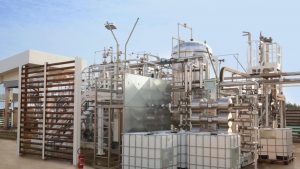
One of the main sources of impact on biofuel production is that of feedstock. The agricultural feedstock was found to have the least impact on the environment. These environmental impacts mainly depend on factors like crop management practices, harvesting systems, and crop yields. The Life Cycle Assessment of producing chemicals from biomass feedstock was proved to have many environmental benefits and it showed savings on non-renewable resources and on greenhouse gas emissions.
Converting waste like palm empty fruit bunches into useful products like ethanol, cattle feed, heat, and so on was proved to be able to reduce the impact of climate change ad fossil fuel depletion, compared to conventional energy production. However, the energy input needed to obtain propionic acid that is produced by the fermentation of glycerol is double that required for the production of traditional fossil fuels and its contribution to eutrophication is higher.
_______________________________________________________________________
Read Also : 10 Ways Technology is Innovating Waste Management
________________________________________________________________________
The biorefining process is still in its early stages in most places across the world. Some problems like the availability of raw materials and feasibility in the product supply chain are a few reasons for the hampering of its development. This refining process brings hope and acts as the key for the optimum utilization of wastes and natural resources that we have been trying to achieve for a while now. As soon as the governments or private companies start financing the refineries, we can be sure that there will be proper and safer disposal of waste and production of sustainable material.
https://bioresourcesbioprocessing.springeropen.com/articles/10.1186/s40643-018-0233-5
We can all agree that biorefineries are very useful to us because they can take care of the huge amounts of wastes being produced in our homes every day. It is even considered efficient in the fact that it does not contribute to the total greenhouse gas emission to the planet and we even read above that it could help in controlling climate change. But biorefineries can also cause a small amount of damage to the water bodies by causing eutrophication.
Maybe in the future, biorefineries will do a better job of reducing the disadvantages it causes and be more efficient. Scientists and researchers are constantly working on new ways to make this process more beneficial to us and to our environment in such a way that it does not cause any harmful effects.
-Sharon Ajith -15/06/2021
Tags: #agricultural, #bioethanol, #biomass, #biorefineries, #environment, #foodwaste, #getgreengetgrowing, #gngagritech, #greenhouse, #greenstories, #plants, #plastic, #Pollution, #water