“Microbes are just nature’s janitors who work to clean up a poorly kept culturing medium. Trying to keep microbes off of and out of your body is like trying to keep the wind out of the trees.”
-Robert Morse
https://www.newpig.com/expertadvice/bioremediation-qa/
The pollution keeps rising on a large scale, being a cause for alarm to us. We know exactly what our future is going to look like if this situation is not brought under control. It is not only our future that is in danger but of the entire planet. With the increase in pollution, people started looking for ways to control the rate of pollution growth and an easy, foolproof method to somehow remove the pollution that is already present in the environment.
________________________________________________________________________
Read Also : Butterfly numbers plummeting in US west as climate crisis takes toll
________________________________________________________________________
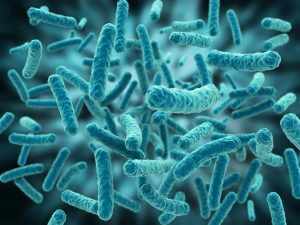
A new method that could not have an adverse impact on the environment was required. It was then that a new idea called bioremediation was put into effect. Bioremediation is a type of biotechnology in which we use living organisms like bacteria and microorganisms to remove pollutants or toxins from the environment.
In areas where these contaminants are present, the environmental conditions are altered to favor the growth of the organisms best suited to clean the particular contaminant. Using bioremediation, we can clean oil spills in the oceans and even for crime scene cleanups.
It can be done either in the place where the contaminant is (in-situ) or away from the area where the contaminant is (ex-situ). In-situ methods are easier and cost-effective because there is no need for moving the contaminated area. Ex-situ methods require the excavation of the polluted site, which requires more money.
It is common knowledge that microorganisms can break down organic compounds and absorb inorganic substances. So scientists thought, why not use these organisms to stop worldwide pollution. The microorganisms were seen to metabolize the toxins present in pollutants using enzymes.
The most common bioremediation processes involve an oxidation-reduction reaction in which an electron acceptor is added to a reduced pollutant to bring about oxidation or an electron donor is added to an oxidized pollutant to bring about a reduction.
https://www.ecomena.org/biomediation/
In bioremediation, the microorganisms can remove the toxic parts of the pollution through biological degradation. The pollutants are broken down by these microorganisms into small amounts of water or carbon dioxide gas which does not affect the environment.
________________________________________________________________________
Read Also : Bioremediation: Environmental Technology for pollution Cleanup
________________________________________________________________________
We read earlier that we change or alter the environmental conditions in order for bioremediation to work. This means that we have to maintain the right temperature, nutrients, and we must also make sure that we selected the appropriate microorganism to break down the particular pollutant. If these conditions vary, the degradation time will take longer than required. Unfavorable conditions are improved by adding certain amendments, such as molasses or oils, to the area. The addition of these amendments accelerates the degradation process, providing us with better results.
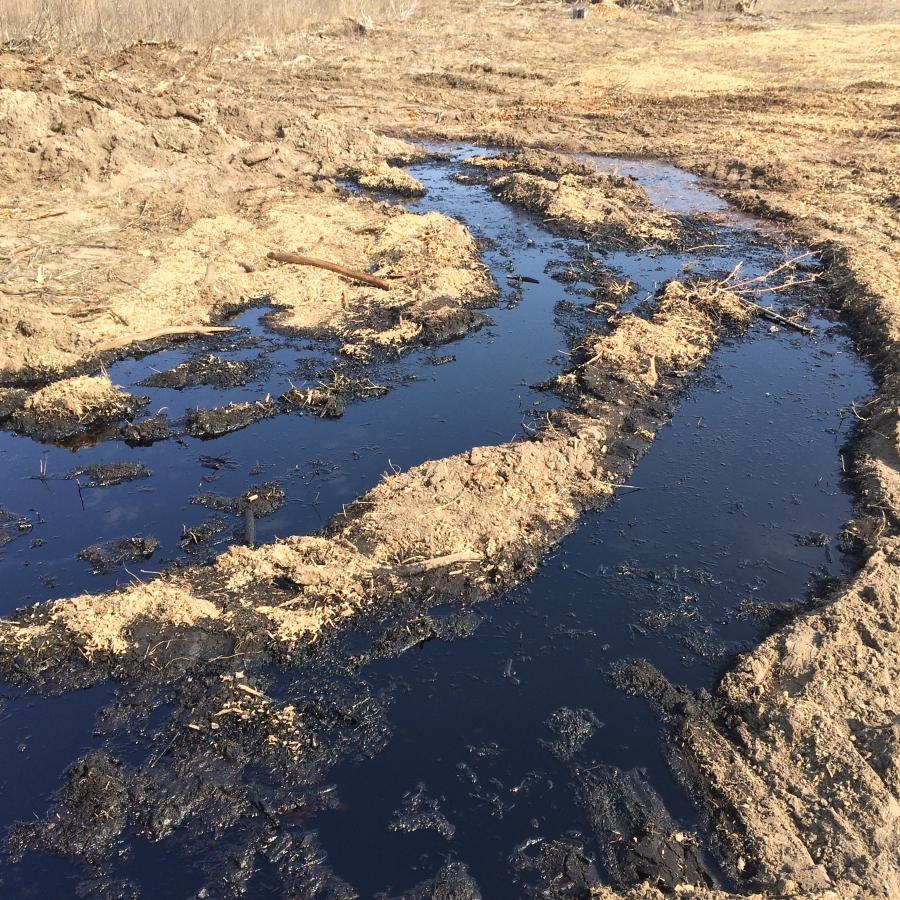
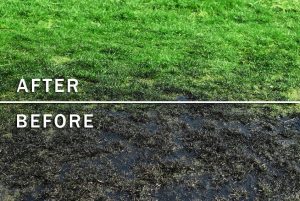
The soils near industries and factories contain a wide range of chemical pollutants and maybe even some heavy metals. This soil is highly toxic and it cannot be used for our purpose or even for growing plants. Agricultural soil is full of chemicals from fertilizers, pesticides, and insecticides due to their overuse, which harms the soil. We can clean up this soil and make it safe by bioremediation. We can add special microbe or we can use the ones that are already present in that area by providing the necessary environmental conditions. The latter process is called biostimulation. Poultry droppings can be used as a bio stimulating agent that can increase the growth of oil-degrading bacteria in the soil by producing Nitrogen and Phosphorous gas.
http://www.inkasenvironmental.com/oil-contaminated-soils/
It is harder to use bioremediation to reduce air pollution because we can’t really control all the air, gases, and toxic substances found in the air. So what we can do is provide bio-filtering microorganisms in chimneys, so that when air is passed through them, the pollutants are broken down into the water, carbon dioxide, or salts. As of now, there are no other methods to reduce airborne pollutants using bioremediation.
A major element we use is water, which is also the most polluted. Many people around the world don’t have access to clean drinking water, which leads to them acquiring various diseases. In some water treatment plants, the contaminated water is aerated and is exposed to microorganisms that break down the organic components present in this water. It also binds the less soluble materials which can be easily filtered out. Ammonia that can be found in this toxic water is broken down to form Nitrogen gas, which is harmless.
Bioremediation is a very safe process that does not adversely affect the environment like many conventional cleaning methods. It does not do much damage to ecosystems because the microorganisms already present in these places are the ones that are reducing the toxins, thus preventing biodiversity loss through ecosystem destruction. Most of the bioremediation is done in areas away from communities, thereby not causing any disturbance in these areas.
________________________________________________________________________
Read Also : Mushroom That Eats Plastic May Help in Fight Against Plastic Waste
________________________________________________________________________
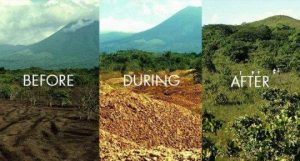
Bioremediation does not produce any harmful byproducts, because it is living organisms that degrade these pollutants in a completely natural way. The only by-products produced are water, nitrogen gas, and carbon dioxide gas, which have no adverse effect on the environment.
https://twitter.com/dtdchange/status/901028381914836992
Bioremediation is one of our only hopes for a better tomorrow as it requires very few resources and provides no harmful by-products. It is also cost-effective in many cases because we can use the microorganisms already present in a given area. Even though it is not a very new technique, many people have started using bioremediation whenever they can to keep the surroundings clean and safe. Let us yield to the invisible army to take care of our pollution problem and hope that we can keep the pollution in check.
-Sharon Ajith -25/05/2021
Tags: #biohazard, #biohazardremediation, #biology, #bioreactor, #bioremediation, #blood, #crimescenecleaner, #death, #dirtyjobs, #getgreengetgrowing, #gngagritech, #greenstories, #hazardous, #paramediclife, #residentialcleaning, #science, #spirulina